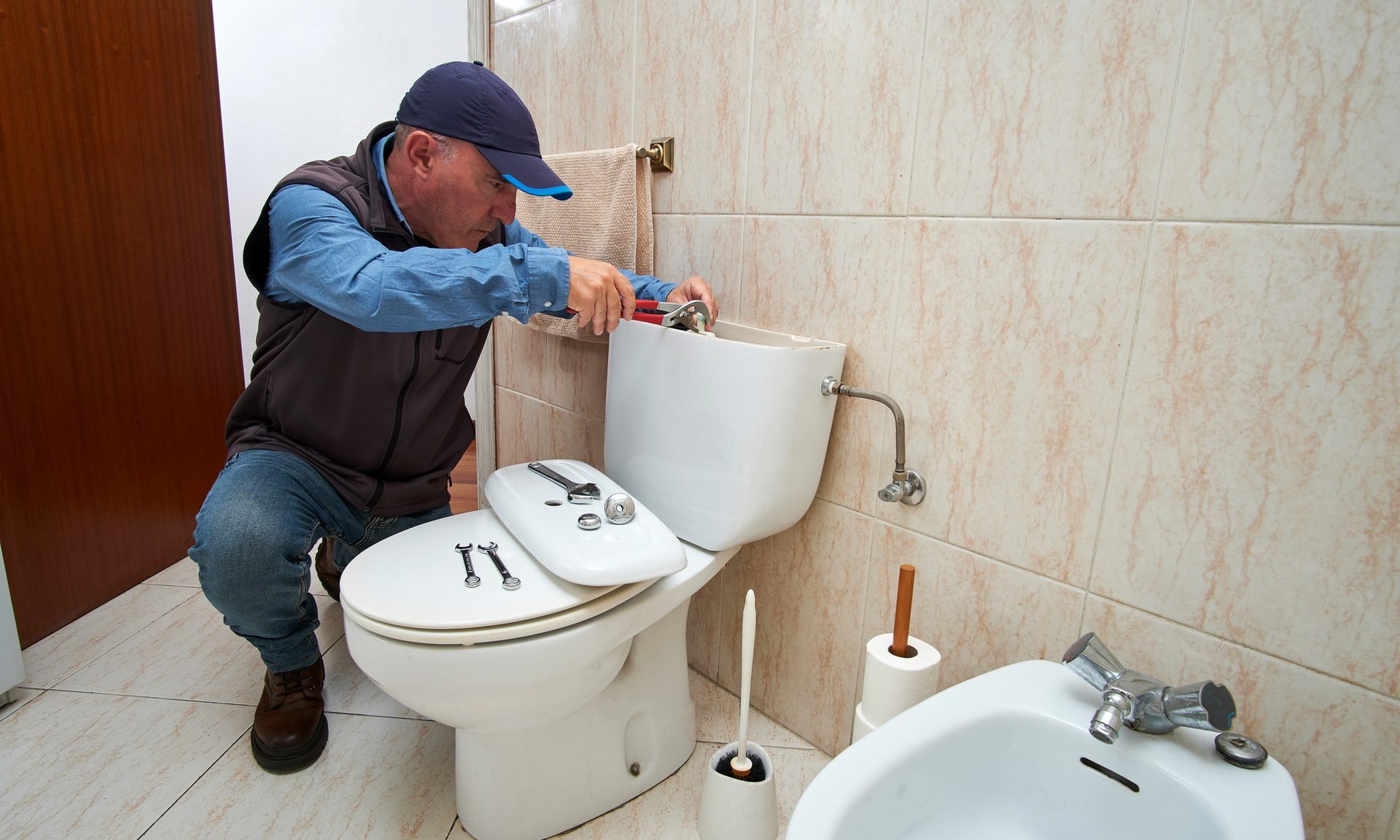
# One Leaky Toilet Cost This Person Thousands. Here's How to Spot the Problem Before It Drains Your Budget
A leaky toilet ran up a water bill so high that one homeowner decided to hunt down the source. The result: a $300 monthly savings after fixing the simple plumbing problem.
Toilet leaks rank among the most expensive household water waste problems, yet they often go unnoticed because the water escapes silently between the tank and bowl. Unlike a dripping faucet, the leak happens out of sight. A single running toilet can waste between 30 and 500 gallons of water daily, depending on severity. Over a month, that translates to hundreds or thousands of gallons flowing away without providing any benefit to your home.
The math is straightforward. Most municipal water systems charge between $3 and $10 per 1,000 gallons. If your toilet leaks 100 gallons daily, that's 3,000 gallons monthly. At an average rate of $5 per 1,000 gallons, you lose $15 per month to that single leak. Multiply that across a year, and you've wasted $180. A larger leak easily produces the $300 monthly loss this homeowner experienced.
Finding a toilet leak requires no special tools. The fastest method: add food coloring or dye tablets to your toilet tank. Wait 15 to 20 minutes without flushing. If colored water appears in the bowl, you have a leak. The flapper valve (the rubber piece at the tank bottom that releases water into the bowl) most commonly fails. Mineral deposits build up over time, preventing a tight seal. Heat and age accelerate the process.
Replacing a flapper costs $10 to $25 and takes minutes with basic tools. Hardware stores stock universal flappers that fit most toilet models. If the leak originates elsewhere in the tank, you may need a new fill valve (the mechanism that refills the tank after flushing), which costs $15 to $40. Professional plumbers charge $150 to $300 for toilet repairs, but simple replacements belong squarely in DIY territory.
Beyond toilet leaks, homeowners should monitor other water-wasting culprits. Leaking pipes beneath the house often go undetected until water damage appears. Running toilets that refill constantly without leaking (a fill valve malfunction) waste enormous amounts. A faulty shower valve can waste 10 gallons daily. Even a slowly dripping bathroom faucet adds up to 5 gallons per day.
Most water utilities offer free leak detection services or will help you identify problem areas. Some provide subsidized repair programs for low-income households. Check your local water authority's website for resources.
A $300 monthly savings through fixing one toilet demonstrates why routine home maintenance matters. Preventive inspections catch problems early, before waste and damage accumulate. For renters, report leaks immediately to your landlord or property manager. These repairs fall under landlord responsibility in most jurisdictions.
Start with the bathroom. Check each toilet using the food coloring test. Listen for water running or refilling sounds when no one uses the toilet. Small fixes produce substantial savings on your utility bills.