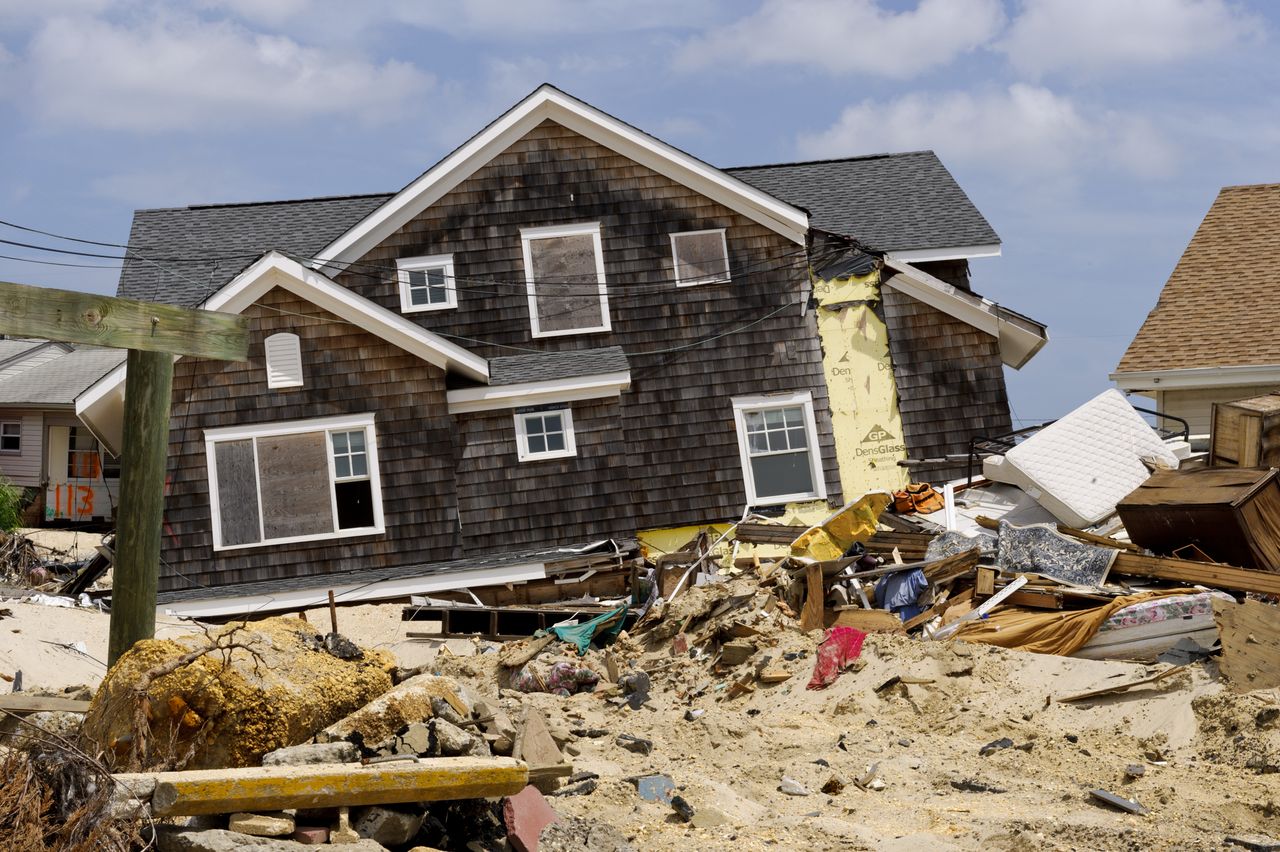
# Tax Breaks for Disaster Victims: What the New Law Means for You
A new federal law expands tax relief for people whose homes, businesses, and personal property were destroyed or damaged by hurricanes, wildfires, floods, and other natural disasters. The Internal Revenue Service has activated a suite of resources to help affected taxpayers navigate these benefits.
Here's what changed and who qualifies.
The law broadens eligibility for casualty loss deductions, which allow taxpayers to deduct uninsured or underinsured losses on their federal tax returns. Previously, the IRS limited casualty loss claims to losses exceeding 10 percent of adjusted gross income, plus a $100 floor per event. The new rules relax these thresholds for federally declared disaster areas, making it easier for middle-income earners to claim losses.
Disaster victims can now carry back net operating losses to prior tax years, creating immediate refunds. This matters because someone whose business was destroyed in 2024 can apply that loss retroactively to 2023 or earlier, generating a cash refund from the IRS rather than waiting years to offset future profits.
The law also suspends the $100,000 annual limit on personal casualty losses for qualifying disasters. This addresses a real problem: homeowners in high-cost markets who lose six-figure properties previously could not deduct amounts above $100,000 per year. That cap is gone for declared disaster areas.
Business owners get enhanced options too. They can use a temporary provision allowing depreciation recapture losses to offset ordinary income, not just capital gains. This converts higher-value tax deductions into immediate benefits.
The IRS maintains a disaster-specific tax relief page detailing eligibility requirements, forms, and filing deadlines. Taxpayers in federally declared disaster areas should check their county on the IRS Disaster Relief page to confirm whether the rules apply to their situation. Not all storms trigger federal disaster declarations, and timing matters.
Key forms for disaster victims include Form 4684 (Casualties and Thefts) and amended returns using Form 1040-X to claim retroactive losses. The IRS has waived certain penalties and extended filing deadlines for affected taxpayers, though these extensions vary by location and date of declaration.
Documentation is essential. Keep receipts, photos, insurance claim letters, and professional appraisals of damaged property. The IRS scrutinizes casualty loss claims more than typical deductions, so thorough records prevent audit risk.
Victims should also coordinate these tax benefits with insurance proceeds. The tax code generally disallows deductions for amounts covered by insurance, so claiming both would violate tax law. If an insurance claim is pending, consulting a tax professional before filing prevents costly errors.
State and local tax authorities sometimes offer additional relief beyond federal provisions. Some states waive sales taxes on emergency rebuilding supplies or extend property tax assessment freeze periods. Check your state's revenue department website for location-specific programs.
The deadline to claim retroactive losses depends on the disaster declaration date. Generally, victims have three years to amend prior returns, but the IRS may extend this window for certain disasters. Filing early ensures claims are processed before any deadline passes.
Professional tax preparers specializing in disaster relief can identify less obvious deductions, such as temporary housing costs, vehicle replacement, or business interruption losses. For complex situations involving rental properties or business assets, their guidance often recovers more than the cost of their service.