# Savers Are Locking Into CDs While Rates Remain High. Here's What You Need to Know.
Certificates of deposit are attracting savers in volume right now, and the timing matters. CD rates have climbed to levels not seen in nearly two decades, with many financial institutions offering 4.5% to 5.5% annual percentage yields across various term lengths. This shift away from high-yield savings accounts reflects a strategic reallocation by savers who understand the math.
The appeal is straightforward. A one-year CD at 5.35% from Marcus by Goldman Sachs locks in a guaranteed return, while American Express's high-yield savings account currently pays 4.85%. The difference compounds. On a $50,000 deposit, the CD earns roughly $2,675 over twelve months versus $2,425 in a high-yield savings account. That extra $250 may sound modest, but it illustrates why savers are moving money into CDs.
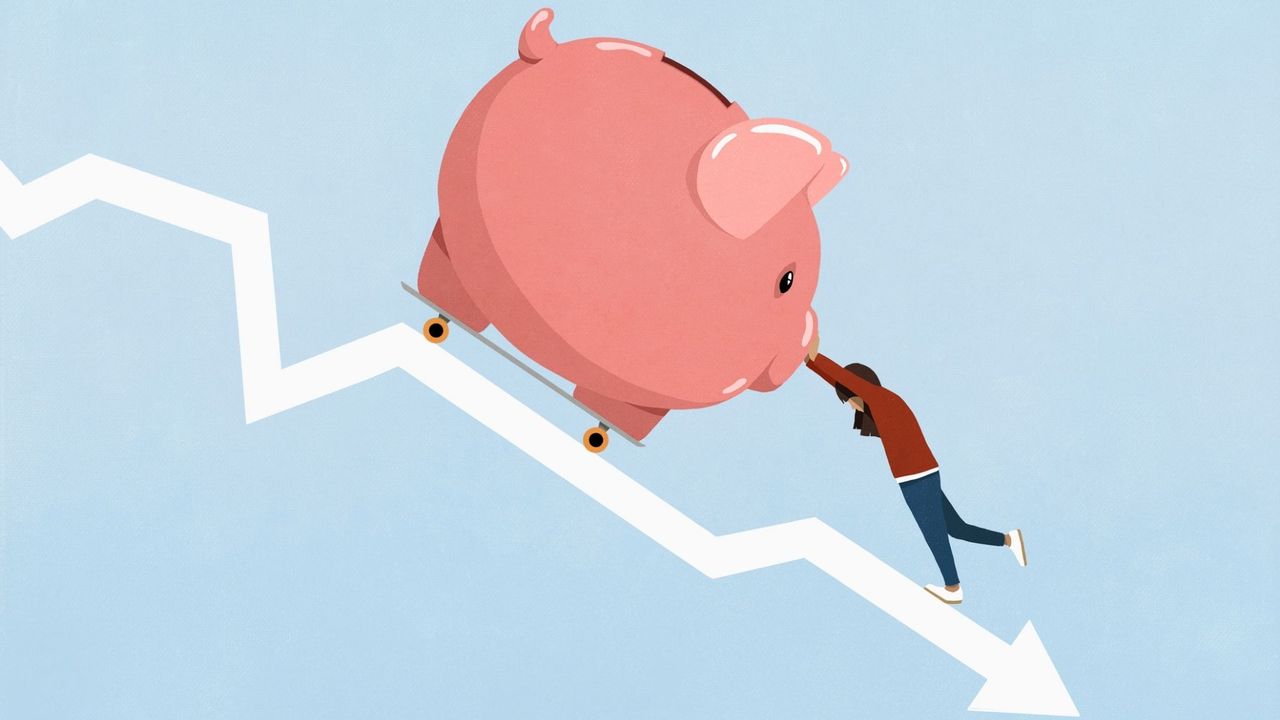
The urgency exists because Federal Reserve rate cuts are widely expected in 2024 and beyond. Once the Fed lowers its benchmark rate, banks will follow. CD rates will decline in tandem. Savers who lock in rates today capture higher yields for their full term, regardless of future cuts. A five-year CD at 4.75% today could pay substantially more than whatever rates offer in 2025 or 2026.
High-yield savings accounts remain liquid, which counts for some people. Ally Bank, Synchrony, and other online banks offer rates around 4.85% without locking funds away. This flexibility suits emergency funds or money needed within months. But if you don't plan to touch the cash for six months, one year, or longer, CDs mathematically win.
The ladder strategy appeals to disciplined savers. Open multiple CDs with staggered maturity dates. Buy a one-year CD, a two-year CD, and a three-year CD with equal amounts. When the shortest CD matures, rates may have fallen, but you still have two remaining high-rate CDs earning on their original terms. You then open a new three-year CD with the maturing proceeds. This approach locks in some high rates while maintaining periodic access to portions of your cash.
Penalties for early CD withdrawal typically run 150 to 365 days of interest, depending on the term length. A $50,000 one-year CD with a 5.35% rate and a 365-day penalty costs $2,675 to exit early. That math only works if you have a genuine financial emergency. Otherwise, treat CD money as untouchable.
Online banks dominate the highest-rate environment. Discover offers 5.35% on one-year CDs with no monthly fees. Betterment recently pushed rates to 5.35% on CDs. Traditional banks like Bank of America or Wells Fargo pay closer to 4.5%, though they offer branch access.
Current market conditions favor action. Savers who opened CDs at 3.5% rates in early 2023 watch rates climb toward 5.5% and regret the timing. Those waiting for rates to go higher risk watching them drop instead. Rates don't move in one direction forever. Setting a portion of cash into CDs at today's levels provides certainty and insulation from future rate cuts.