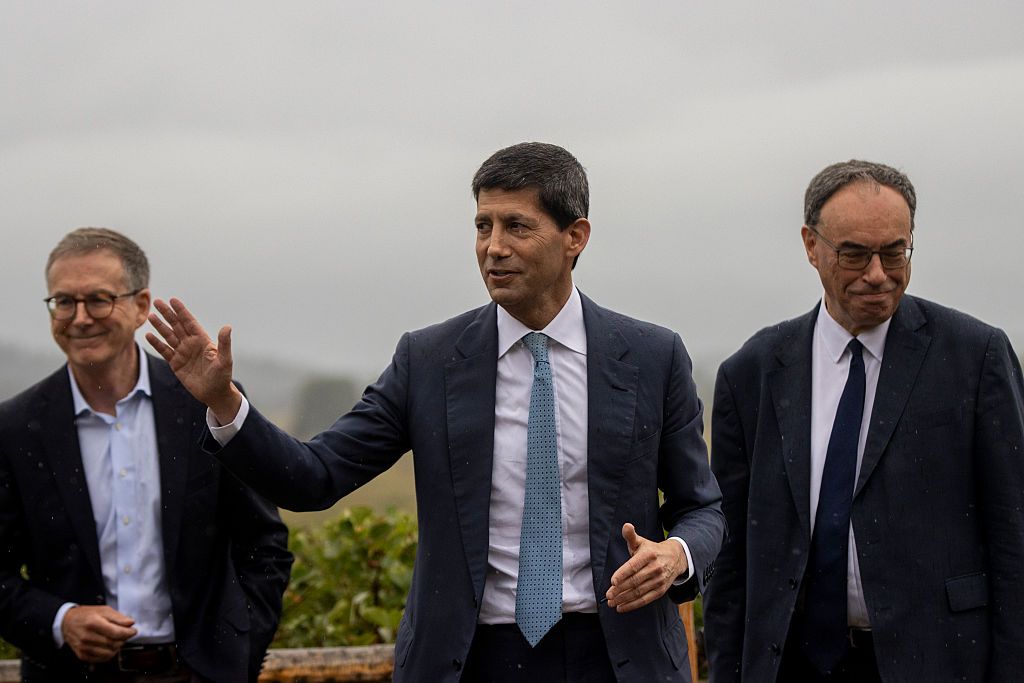
Kevin Warsh, the Federal Reserve chair, signaled that the central bank remains committed to fighting inflation through higher interest rates. Markets responded swiftly, with stock prices declining as investors repositioned portfolios in anticipation of elevated borrowing costs for months ahead.
Warsh's comments carry outsized weight. His public statements shape expectations for Fed policy and influence how traders position themselves across stocks, bonds, and other assets. When a Fed chair emphasizes price stability, markets translate that into a commitment to keep rates elevated longer than some investors hoped.
Here's what this means for your money.
Stock investors saw immediate pressure today. Equities tend to struggle when interest rates climb because higher borrowing costs reduce corporate profits and make bonds more attractive relative to stocks. A company earning $100 per share looks less impressive when investors can earn 5 percent on a Treasury bond without taking any stock market risk. The calculus shifts. Money flows out of growth stocks and toward fixed income.
Savers benefit from higher rates, at least on paper. Money market accounts, high-yield savings accounts, and certificates of deposit all track market interest rates. Currently, top-tier money market funds offer around 5.3 to 5.4 percent annual yields. High-yield savings accounts pay between 4.5 and 5.3 percent depending on the institution. If the Fed holds rates steady or raises them further based on Warsh's signals, these rates may stay competitive.
Borrowers face headwinds. Mortgage rates, credit card rates, and auto loan rates all hinge partly on Fed policy expectations. A commitment to higher rates longer means homebuyers pay more per month. Someone financing a $350,000 home at 7 percent pays roughly $2,330 monthly. At 6 percent, that drops to $2,100. The difference compounds over 30 years.
Bond investors already suffered through 2022 and 2023 as rates rose, decimating portfolio values. Warsh's hawkish stance suggests the Fed prioritizes inflation control over supporting bond prices. Anyone holding long-term Treasury bonds or bond-heavy mutual funds faces continued pressure if rates climb further.
The market's reaction tells us traders believe Warsh's words carry conviction. Stock futures fell and Treasury yields rose in response. Treasury yields and bond prices move inversely. When yields climb, existing bond prices fall. A 10-year Treasury paying 3.5 percent becomes less attractive if new Treasury bonds pay 4.0 percent.
Warsh replaced Jerome Powell as Fed chair. His appointment signaled a potential shift in Fed priorities. Powell navigated the inflation surge of 2021 and 2022, eventually raising rates aggressively. Warsh has emphasized a return to disciplined monetary policy and unwavering commitment to price stability, language that sounds hawkish to markets.
Going forward, watch Fed communications closely. Each statement and speech influences market pricing. If Warsh or other Fed officials continue emphasizing rate discipline, expect continued stock market volatility and sustained higher yields on savings products. The Fed funds rate, currently set by the Fed committee, anchors all other interest rates in the economy. Until that rate falls, savers enjoy competitive returns while borrowers and equity investors feel the pain.