# The Business of Betting on Natural Disasters
Prediction markets have found a new frontier: natural disasters. Platforms like Polymarket and Kalshi now let users wager real money on whether hurricanes will hit specific regions, earthquakes will exceed certain magnitudes, or floods will affect particular areas. The markets operate as decentralized or regulated exchanges where traders buy and sell contracts tied to real-world outcomes, collecting winnings if their predictions prove correct.
The mechanics work like this. On Kalshi, a CFTC-regulated platform, you might purchase a contract betting that a named hurricane will make landfall in Florida by a set date. If it does, you collect your payout. The price of the contract fluctuates based on real-time probability assessments from other traders. Polymarket, which operates on blockchain technology, offers similar structures but with less regulatory oversight in the United States.
Supporters argue these markets serve a useful purpose. They aggregate information from thousands of participants, potentially creating accurate probability forecasts that could help insurance companies, governments, and disaster planners prepare better. Markets absorb diverse knowledge and opinions, theoretically producing sharper predictions than any single expert or model.
The concerns run deep, however. Critics worry about moral hazard. If someone stands to profit when a hurricane devastates a region, what incentive exists to warn people or support evacuation efforts? A trader betting against hurricane landfalls might discourage public preparedness. The profit motive could conflict with public safety.
Legal questions linger too. The Commodity Futures Trading Commission (CFTC) regulates some disaster prediction contracts on Kalshi, but enforcement remains patchy. Polymarket operates in a grayer zone, using decentralized blockchain infrastructure that regulators struggle to reach. The platforms insist they follow applicable laws, yet the regulatory landscape shifts constantly.
Accessibility adds another layer of concern. These platforms attract retail traders who may not fully grasp the risks. Betting on natural disasters resembles gambling more than investing. Most participants will lose money. The average person drawn to these markets might not have the capital to absorb losses or the expertise to evaluate probability accurately.
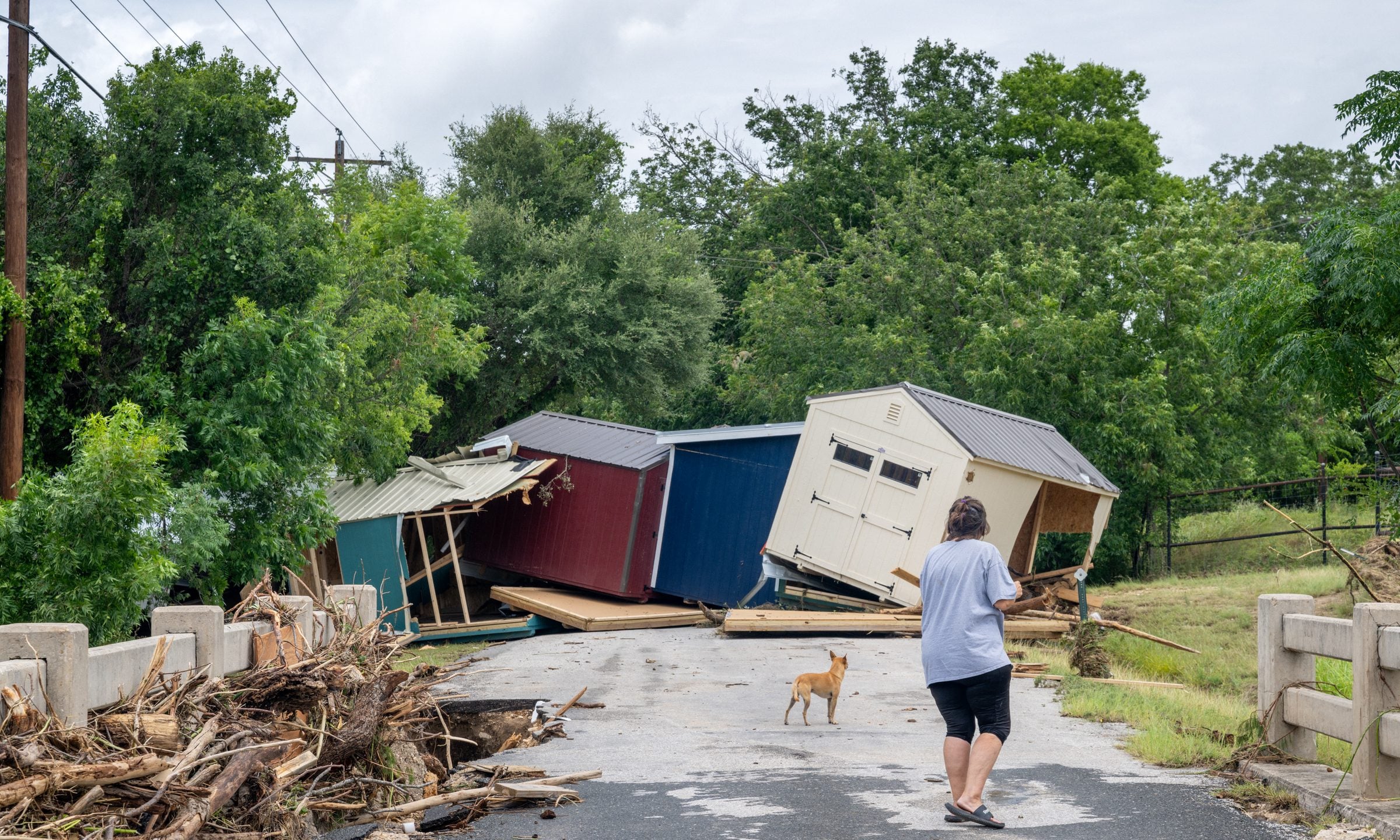
The emotional toll matters too. For people living in disaster-prone areas, knowing strangers profit from their potential suffering creates psychological harm. Residents of hurricane zones or earthquake-vulnerable regions already endure constant anxiety about natural threats. Prediction markets transform that anxiety into a tradable commodity for distant speculators.
The platforms remain small for now. Kalshi hosts disaster prediction contracts alongside markets for economic data releases and political outcomes. Trading volumes stay modest compared to traditional financial markets. Yet as these platforms grow, the stakes grow with them. Larger pools of money betting on natural disasters create stronger incentives for problematic behavior.
Regulators have begun paying attention. The CFTC recently expanded oversight of event derivatives, signaling concern about disaster markets specifically. Some lawmakers have questioned whether these platforms should operate at all. The debate centers on whether free markets should extend to betting on human suffering.
For ordinary people, the takeaway remains simple. Disaster prediction markets offer little practical value unless you possess specialized forecasting knowledge and capital to risk. Treating these platforms as investment opportunities invites losses. The real issue extends beyond individual traders to society overall. When profit becomes possible from catastrophe, incentives align in troubling ways.