# 10 'Treasures' Your Adult Children Don't Want You to Pass Down
Your attic holds what you consider priceless heirlooms. Your adult children see clutter. This disconnect between sentimental attachment and practical reality creates a common estate-planning headache that financial advisors encounter regularly.
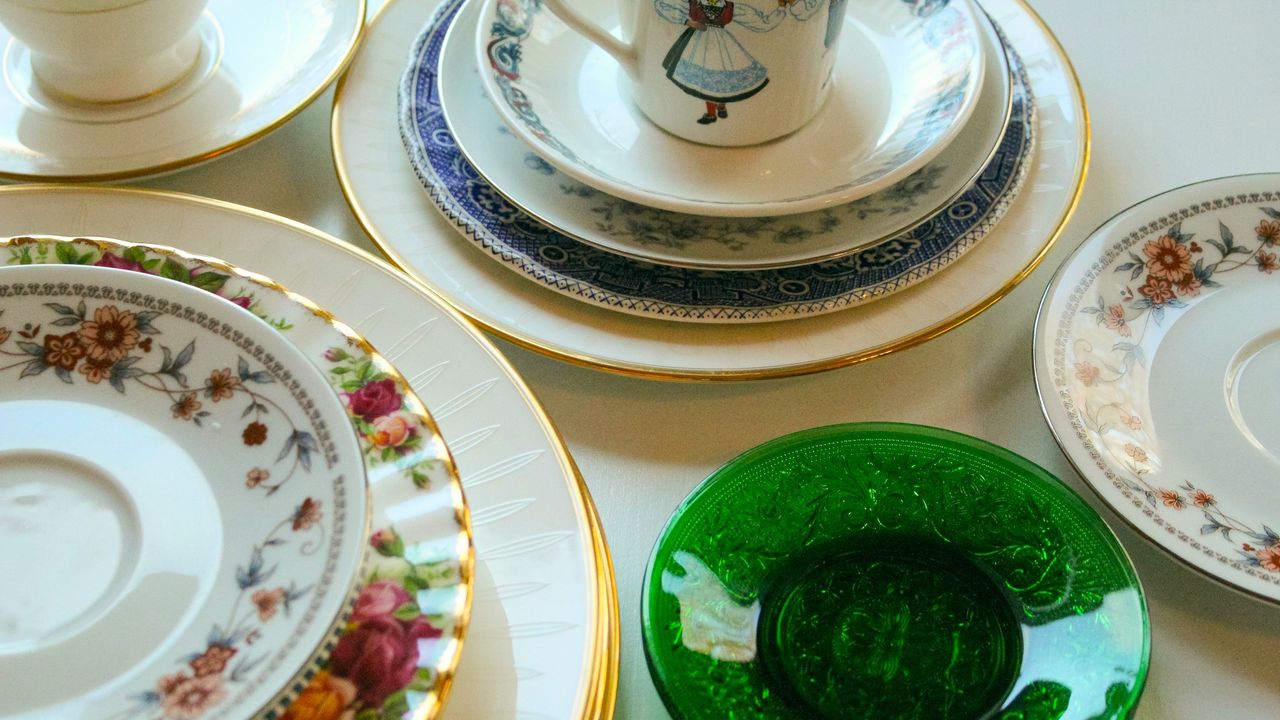
Kiplinger's list highlights the gap between what parents assume their heirs will cherish and what adult children actually want to manage. The items typically fall into predictable categories: formal dinnerware sets, decorative collections, furniture from outdated design eras, sports equipment, costume jewelry, old electronics, books gathering dust, and bulky furniture that demands space most younger adults cannot spare.
The core issue sits at the intersection of real estate values and lifestyle expectations. Your grown children likely live in smaller homes or apartments than you occupied. They face different aesthetic preferences shaped by minimalism, sustainability concerns, and digital-first living. A china cabinet your mother passed to you represents responsibility rather than treasure to them. Those golf clubs assume an active interest in a sport they may never play.
Estate planners report that unwanted inheritances create genuine family conflict. Adult children feel obligated to accept items out of respect, guilt, or politeness. Many items then languish in storage units, consuming money and emotional bandwidth. Eventually, someone donates or discards the "heirloom," which can trigger resentment if parents discover their carefully preserved collections ended up at Goodwill.
The financial implications matter. Storage units for unwanted inheritances cost $50 to $300 monthly. Appraisals for donated items require time and money. Selling multiple items individually consumes hours better spent elsewhere. Some families hire estate liquidators, splitting costs that reduce the actual inheritance value by 20 to 40 percent.
Smart parents address this now rather than forcing decisions after death. Start conversations about what your adult children actually want. Ask directly. Avoid assumptions rooted in emotional attachment. If your daughter never expressed interest in your wedding china, she probably doesn't want it now.
Consider these practical steps. Photograph valuable items and create a digital catalog for family records. Offer pieces to siblings or cousins who might value them more. Sell items with genuine resale value through auctions or online marketplaces. Donate tax-deductible pieces to charities, museums, or religious institutions. Most importantly, recognize that not everything needs to stay in the family.
Some items merit keeping. Jewelry with genuine sentimental value, photos and documents, handwritten letters, and meaningful heirlooms your children have specifically requested belong in estates. Bulky furniture, duplicative dishware, and collections reflecting your interests rather than shared family history do not.
This conversation requires honesty. Your prized golf trophies represent your accomplishments. Your children may respect them as memories but not want them displayed in their homes. That distinction matters. Respecting your children's choices about their own spaces and possessions strengthens family relationships while preventing the resentment that often festers around unwanted inheritances.
The best inheritance often looks different than parents imagine. Your adult children may value a smaller, curated collection of meaningful items far more than boxes of objects they feel obligated to preserve. Starting these conversations now replaces future family tension with clarity.