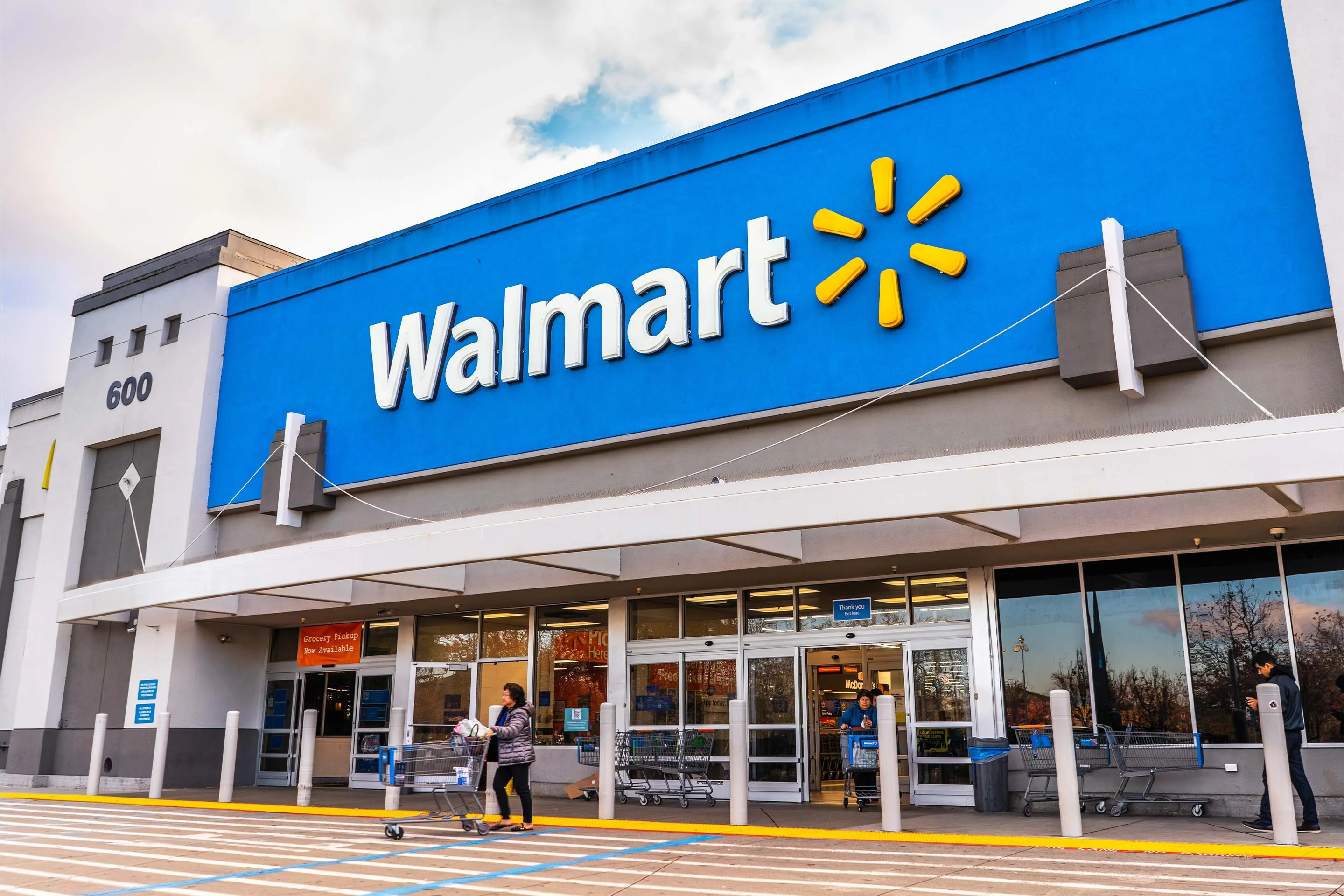
# Walmart Joins the Tap-to-Pay Revolution
Walmart customers can now use contactless payments at checkout across the retailer's U.S. stores. The nation's largest retailer has reversed its years-long resistance to tap-to-pay technology, marking a major shift in how shoppers complete transactions.
The change affects all major contactless payment methods. Customers can tap their smartphones, smartwatches, or contactless credit and debit cards at Walmart checkout terminals. Apple Pay, Google Pay, Samsung Pay, and contactless Visa and Mastercard cards all work at the register. This aligns Walmart with industry standards that have become routine at Target, Best Buy, grocery chains, and most other major retailers.
Walmart's previous stance against contactless payments frustrated millions of shoppers. While competitors embraced tap-to-pay technology years ago, Walmart maintained traditional swipe and chip readers only. The retailer's own payment system, Walmart Pay, required customers to open the Walmart app and scan a QR code instead. This created friction for customers accustomed to the speed and simplicity of tapping their phones or cards elsewhere.
The company's resistance stemmed partly from its ownership stake in Walmart Pay and early concerns about payment security and interchange fees. Walmart built Walmart Pay to give customers a branded checkout experience and reduce payment processing costs. However, consumer preference ultimately won out. As contactless payments became standard across retail, Walmart's holdout became increasingly outdated.
The timing reflects broader consumer behavior shifts. Credit card issuers including Chase, Bank of America, and Capital One have aggressively promoted contactless card adoption. Smartphone makers built payment technology directly into devices. Consumers grew accustomed to tapping during the pandemic and never looked back. Walmart's decision acknowledges this reality.
Walmart Pay remains available for customers who prefer it. The app still offers price tracking, in-store navigation, and integration with the retailer's loyalty program. But shoppers no longer face a choice between using Walmart's proprietary system or fumbling with traditional cards.
For frequent Walmart shoppers, the change reduces friction at checkout. A quick tap beats opening the app, scanning a code, or inserting a card. Smartwatch users gain particular convenience. Parents juggling kids and shopping bags can now pay faster with a wrist gesture.
Contactless technology also benefits transactions during busy periods. Weekend crowds move through checkout faster when customers tap rather than insert or swipe. Store associates spend less time troubleshooting payment issues.
The change comes with no cost to customers. Walmart absorbs any infrastructure expenses. Most customers already carry contactless payment methods. Those without them face no pressure to upgrade. Traditional payment methods remain fully supported.
Walmart's reversal matters beyond its own stores. The retailer's adoption signals that tap-to-pay technology is now truly universal in U.S. retail. New cardholders entering the financial system can confidently request contactless cards. Merchants can invest in tap-to-pay infrastructure knowing customer demand exists everywhere. Small retailers can point to Walmart's change when justifying contactless terminal upgrades to their ownership.
The shift also removes a genuine point of frustration. Customers traveling between retailers no longer encounter one massive retailer requiring a different payment method. Mobile wallet users can use identical payment methods everywhere they shop.