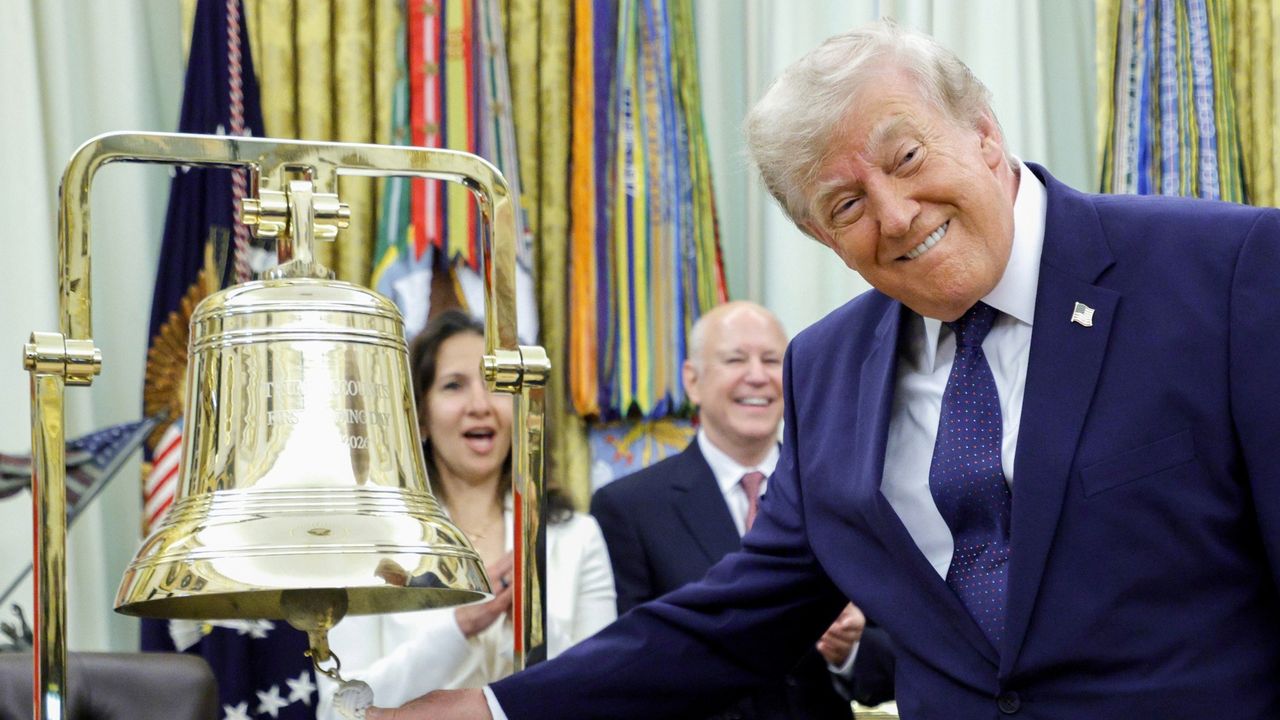
The Trump administration is launching Trump Accounts, a new savings vehicle designed to give children a financial foundation. The government will deposit $1,000 into accounts opened for eligible children, but experts warn that families shouldn't view this contribution as the primary benefit.
The real advantage comes from consistent family contributions and using the accounts as a teaching tool. Parents who deposit money regularly and involve their children in managing these accounts can build substantial wealth over time. A child who receives the $1,000 government deposit at birth and whose family adds just $50 monthly could accumulate over $15,000 by age 18, assuming modest investment returns.
The $1,000 government contribution serves mainly as an initial incentive to open an account. Families relying solely on this one-time deposit miss the compounding power that comes from disciplined saving habits. Starting early matters enormously. Money invested for a child's entire minority compounds significantly more than money deposited closer to age 18.
These accounts function best when parents use them to teach children about saving, investing, and delayed gratification. Families that review account statements together, discuss investment options, and involve kids in financial decisions build money management skills that extend far beyond the account itself. Children who understand how their savings grow develop healthier financial habits as adults.
Eligibility requirements and account features remain unclear, but families should expect some income thresholds or other limitations. Parents interested in these accounts should research specific rules before opening one.
The $1,000 deposit is nice, but it's not the story here. Families who use Trump Accounts as part of a broader financial education strategy will see the genuine payoff. Regular contributions, long time horizons, and parental engagement transform these accounts from a simple government handout into legitimate wealth-building tools for children.