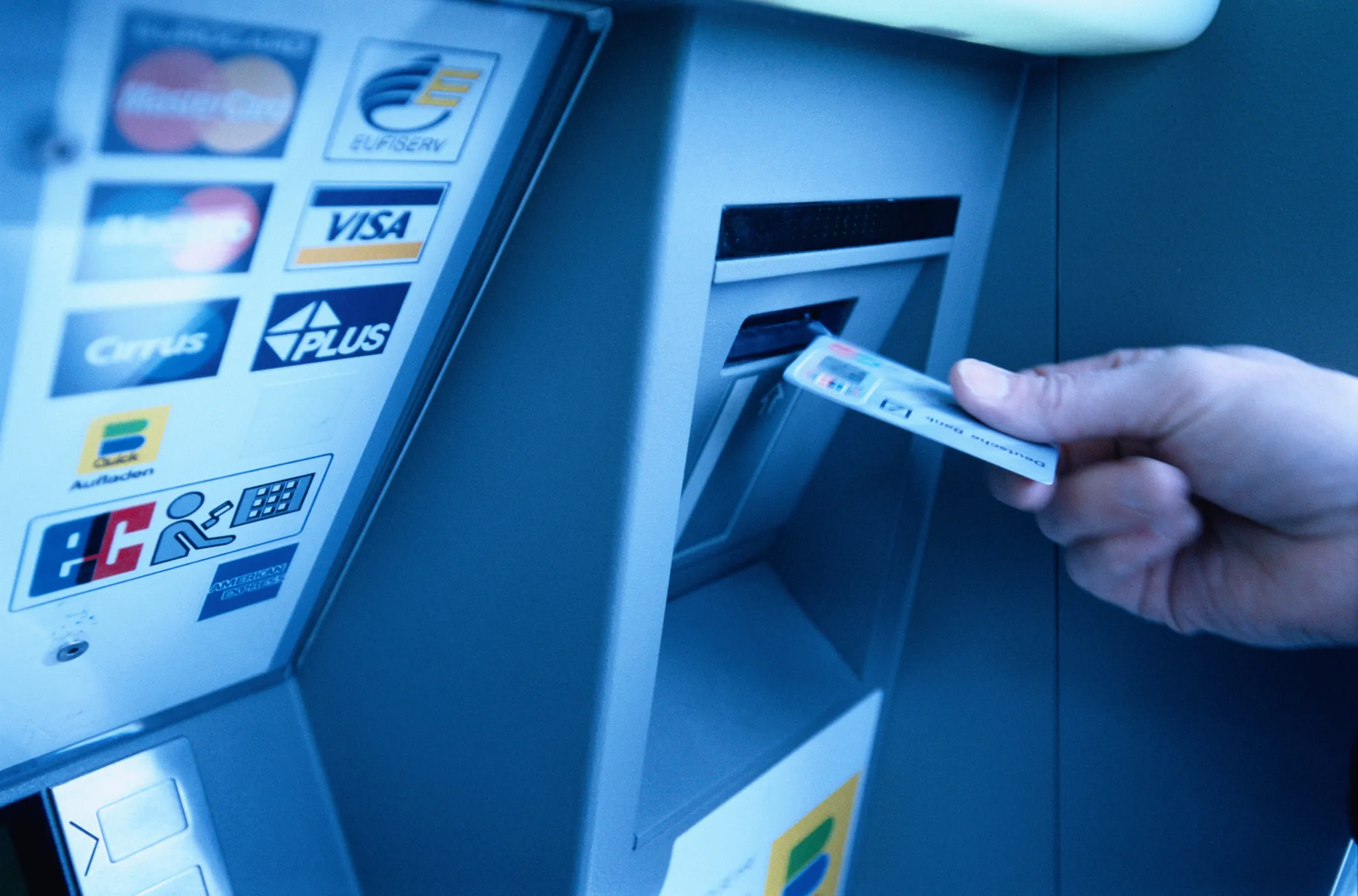
# ATM Overdraft Fees Now Require Your Active Permission
Banks can no longer charge you overdraft fees at ATMs without explicit consent. The Consumer Financial Protection Bureau implemented this rule to protect account holders from surprise charges when they withdraw more than their balance.
Here's what changed. Previously, many banks automatically enrolled customers in overdraft protection, allowing them to pull out cash even with insufficient funds. The penalty? Overdraft fees typically ranging from $25 to $35 per transaction. You had to actively opt out to avoid these charges.
Now the system flips. Banks must obtain your written permission before charging overdraft fees on ATM withdrawals. If you haven't affirmatively opted in, the ATM simply denies your transaction rather than letting you overdraw.
The catch: You may have already given permission years ago without realizing it. Banks sent notices burying opt-in language in account terms, making it easy to miss. Check your old statements and account documents. Many customers unknowingly consented during account opening.
To verify your status, contact your bank directly. Ask whether you've enrolled in overdraft protection for ATM transactions. If you have, request to opt out immediately. Most banks allow this through online banking, phone, or by visiting a branch.
Your options matter here. If you opt in, you maintain access to cash but pay fees for overdrafts. If you opt out, ATMs reject withdrawals exceeding your balance, preventing overspending but limiting emergency access to cash.
The CFPB estimates this change will save consumers roughly $35 per overdraft incident avoided. For frequent ATM users or those living paycheck to paycheck, that adds up quickly.
Check with your specific bank—Chase, Bank of America, Wells Fargo, and regional institutions all handle this differently. Some default to opting out now. Others may still have you enrolled