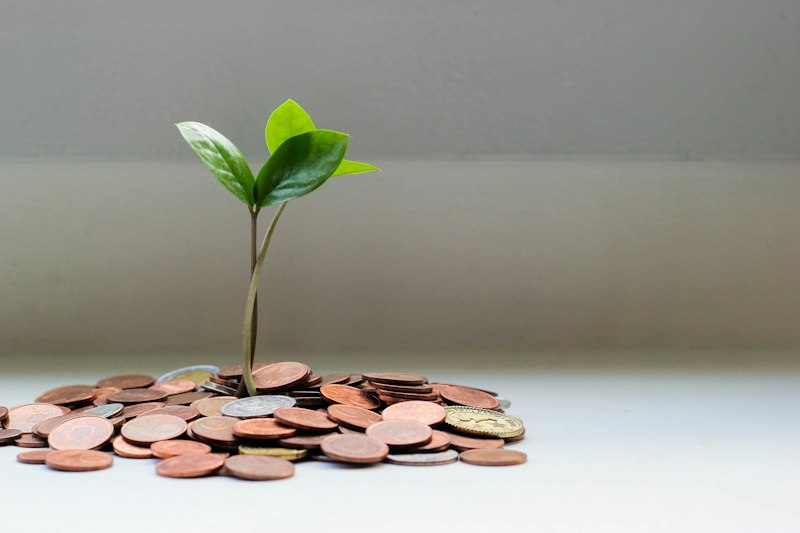
Here's the unpopular take that nobody wants to hear: restraint, not speed, may be the smarter strategy when overhauling your budget.
We live in an age of optimization culture. Everyone's got a spreadsheet. Everyone's got a system. Apps promise to categorize your spending in real time. Financial accounts sync automatically. The message is clear: move fast, track everything, plug every leak, and do it all immediately.
The problem? Most people who rebuild their budgets with maximum velocity end up right back where they started within six months.
I'm not dismissing the value of a solid budget. Obviously you need to know where your money goes. But there's a real difference between having a plan and having a sustainable one. The headline about membership fees ambushing someone's budget didn't appear in isolation. It's a symptom of a larger issue: we create budgets so rigidly, and sometimes so hastily, that we can't actually stick to them when real life happens.
Here's what typically unfolds. Someone gets motivated. They download three apps, create elaborate categories, set aggressive targets, and commit to tracking every transaction. For about eight weeks, it works beautifully. Then a birthday dinner breaks the entertainment budget. A car repair breaks several budgets. A family member asks for help. And suddenly the whole system feels oppressive rather than helpful.
At that point, most people abandon the budget entirely. They swing from hyperoptimization to no structure at all.
A slower approach acknowledges something that Silicon Valley would rather you ignore: behavior change is hard. Sustainable budgets aren't built in sprints. They're built over months through small adjustments, not wholesale overhauls executed in January or after reading one article about personal finance.
Consider the sandwich generation issue that's been getting attention lately, where people juggle supporting children while caring for aging parents. These situations don't fit neatly into standard budget categories or timelines. You can't "optimize" your way through genuine financial complexity. You need flexibility embedded in your system from day one. That only happens if you build slowly.
The practical argument for restraint is straightforward. Start with one or two categories instead of twenty. Track for two weeks before making cuts. When you make a change, live with it for a full month before adding another. This approach feels glacial compared to what the optimization culture demands. But it's also the approach that people actually sustain.
There's another angle worth considering in light of broader economic uncertainty. When interest rates are climbing and Treasury yields are hitting new highs, consumer confidence tends to wobble. That's when people overcorrect. They slash budgets too aggressively. They become afraid of spending on things that actually matter to their quality of life. A more measured approach, built over time, allows you to adjust without panic.
This isn't an argument against budgeting discipline. This is an argument against the fantasy that budgeting discipline emerges from speed and perfection.
The actual work is boring. It's weekly check-ins instead of real-time dashboards. It's honest conversations with yourself about what you actually value. It's accepting that your budget will look messy for a while before it looks smart.
If you're thinking about rebuilding your budget, consider this permission slip: you don't have to get it right immediately. You probably won't. Build something livable first. Optimize later. The people who win at personal finance aren't the ones with the most sophisticated spreadsheets. They're the ones who showed up consistently for five years with something simple enough to stick with.