# The Deinfluencing Trend Challenges Your Spending Habits
Deinfluencers are using social media to push back against the constant pressure to buy. These content creators openly criticize hyped products, expose overpriced items, and convince followers to skip purchases they don't need.
The movement targets real spending vulnerabilities. Influencers build trust and then recommend products through sponsored posts. Followers see polished images and feel social pressure to own what they see. Deinfluencers flip this dynamic by questioning whether trendy items actually deliver value.
Common deinfluencing targets include luxury handbags, expensive skincare lines, and "it" products that flood TikTok and Instagram. A deinfluencer might show that a $150 moisturizer performs identically to a $20 drugstore alternative. Another will break down why a designer bag doesn't justify its $2,000 price tag.
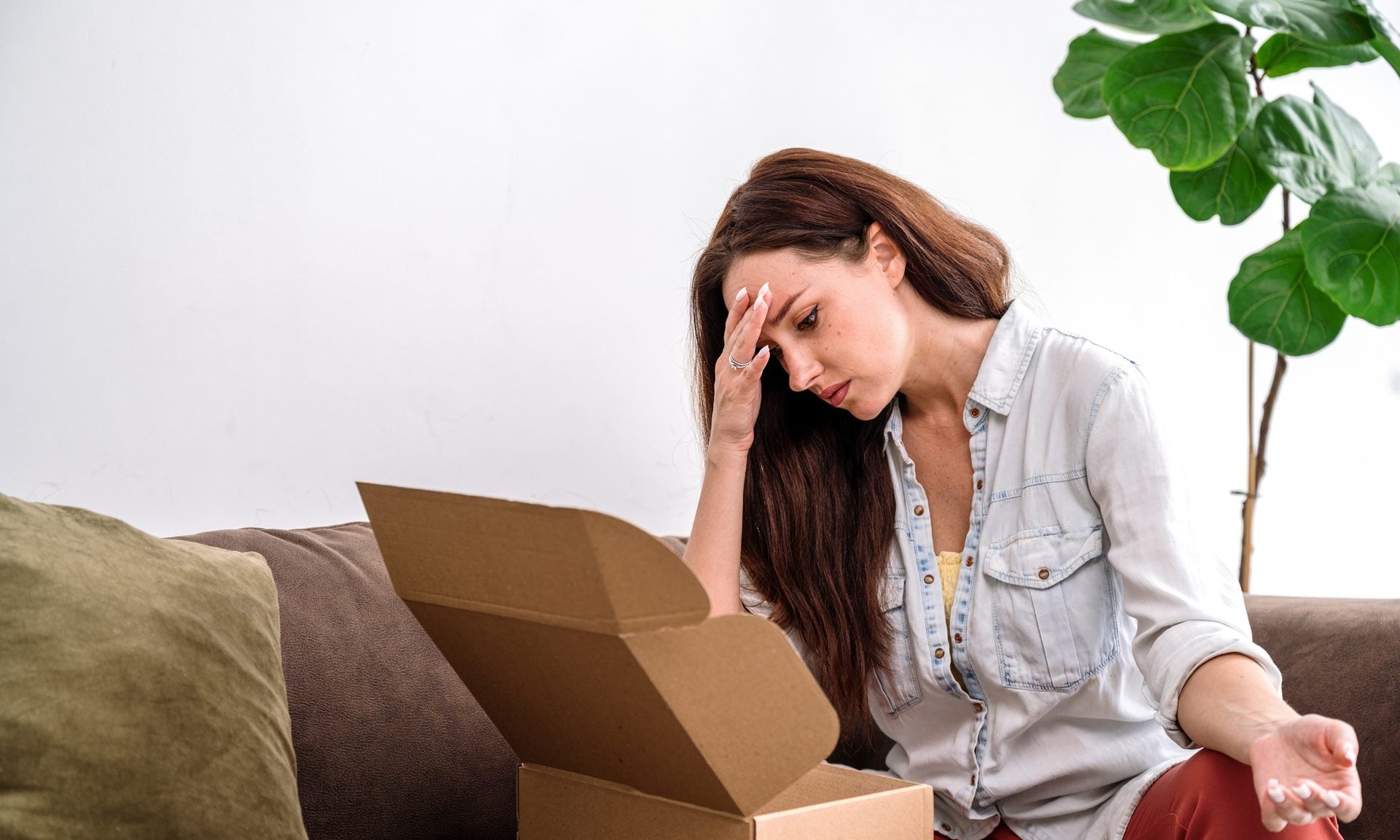
This approach works because it addresses buyer's remorse before it happens. When you're considering a purchase, watching someone explain why they returned an item or found it overrated can stop an impulse buy cold. The psychological effect is powerful. You already feel the social pressure from influencers. A deinfluencer offers permission to resist it.
For household budgets, deinfluencing creates real savings. If followers skip even a few impulse purchases each month, that adds up. Someone canceling a $15 monthly subscription they never use or deciding against a $60 product they were tempted by saves money fast.
The tactic has limits though. Deinfluencers still accumulate followers and attention. Some start accepting sponsorships themselves or recommend alternatives that profit them indirectly. The anti-consumerist message can become its own marketing strategy.
Still, the core value remains practical. Deinfluencing forces you to