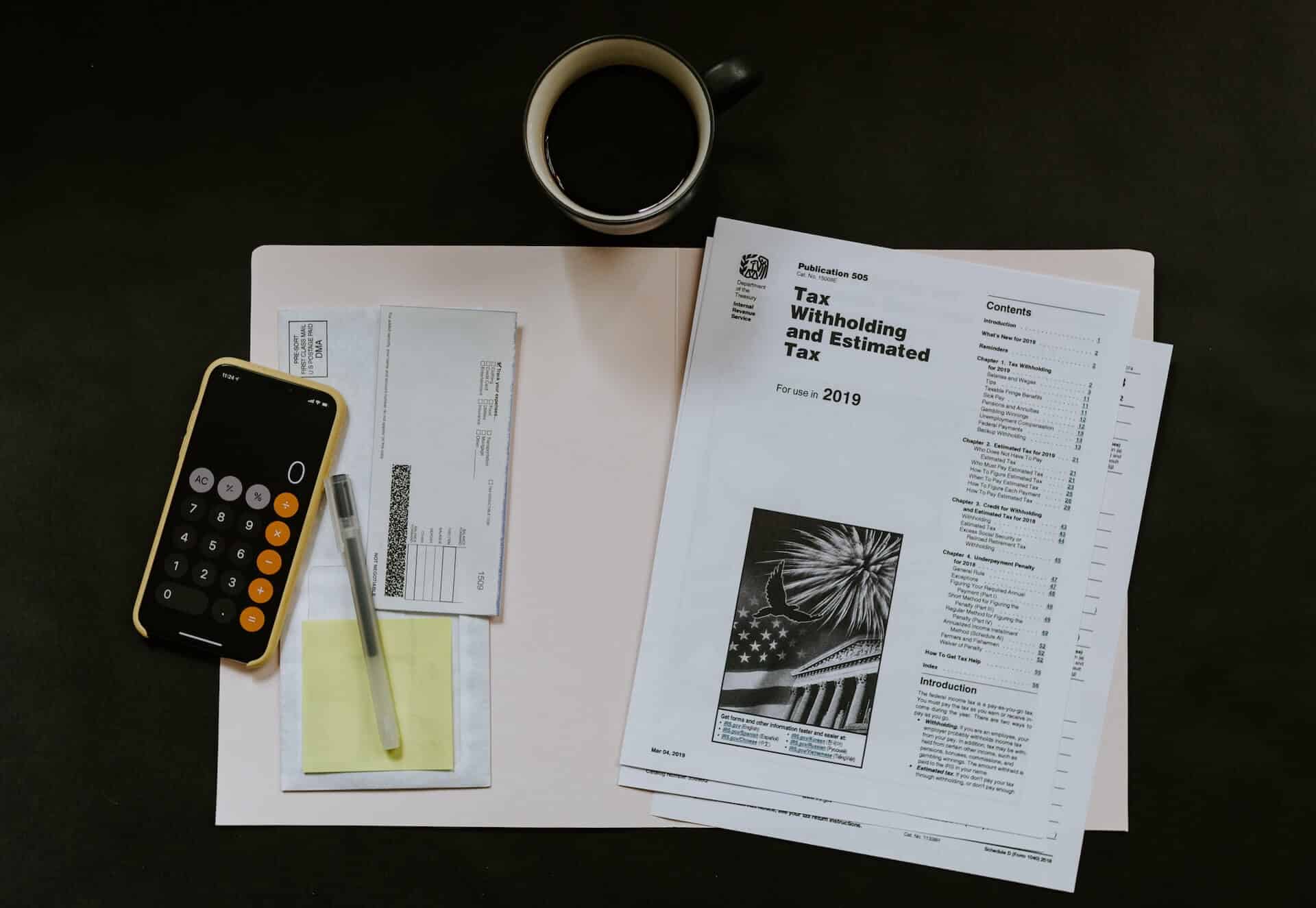
Taxpayers face three main options when filing their returns: doing it themselves with software, hiring a tax professional, or using volunteer assistance programs. Each path carries different costs and complexity levels.
DIY tax software remains the cheapest route for straightforward returns. Products like TurboTax, H&R Block, and TaxAct charge between $0 and $200 depending on return complexity. Free versions exist for simple situations, making this ideal for single filers with W-2 income only. However, self-preparation requires basic tax knowledge and takes time.
Tax professionals charge $150 to $500 per hour or flat fees ranging from $300 to $2,500 depending on return difficulty. CPAs and enrolled agents handle complex situations involving business income, rental properties, or significant deductions. This option suits those with complicated finances who value accuracy and peace of mind. Many preparers offer virtual consultations, reducing wait times at tax season.
Volunteer Assistance Programs offer free tax preparation through VITA (Volunteer Income Tax Assistance) and TCE (Tax Counseling for the Elderly). These IRS-approved services help low-to-moderate income filers, seniors, and non-English speakers at no cost. Quality varies by location, but volunteers receive IRS training and provide legitimate preparation and filing.
For most people, DIY software works well if your return involves only wages, standard deductions, and basic investments. Choose professional help if you own a business, have rental income, deal with stock sales, or face an audit. Use free volunteer programs if you earn under $56,000 annually and qualify for assistance.
The decision ultimately depends on three factors: your income complexity, your comfort with taxes, and your time availability. A straightforward W-2 return with a mortgage deduction favors DIY software. Multiple income sources or investment holdings push you toward professional