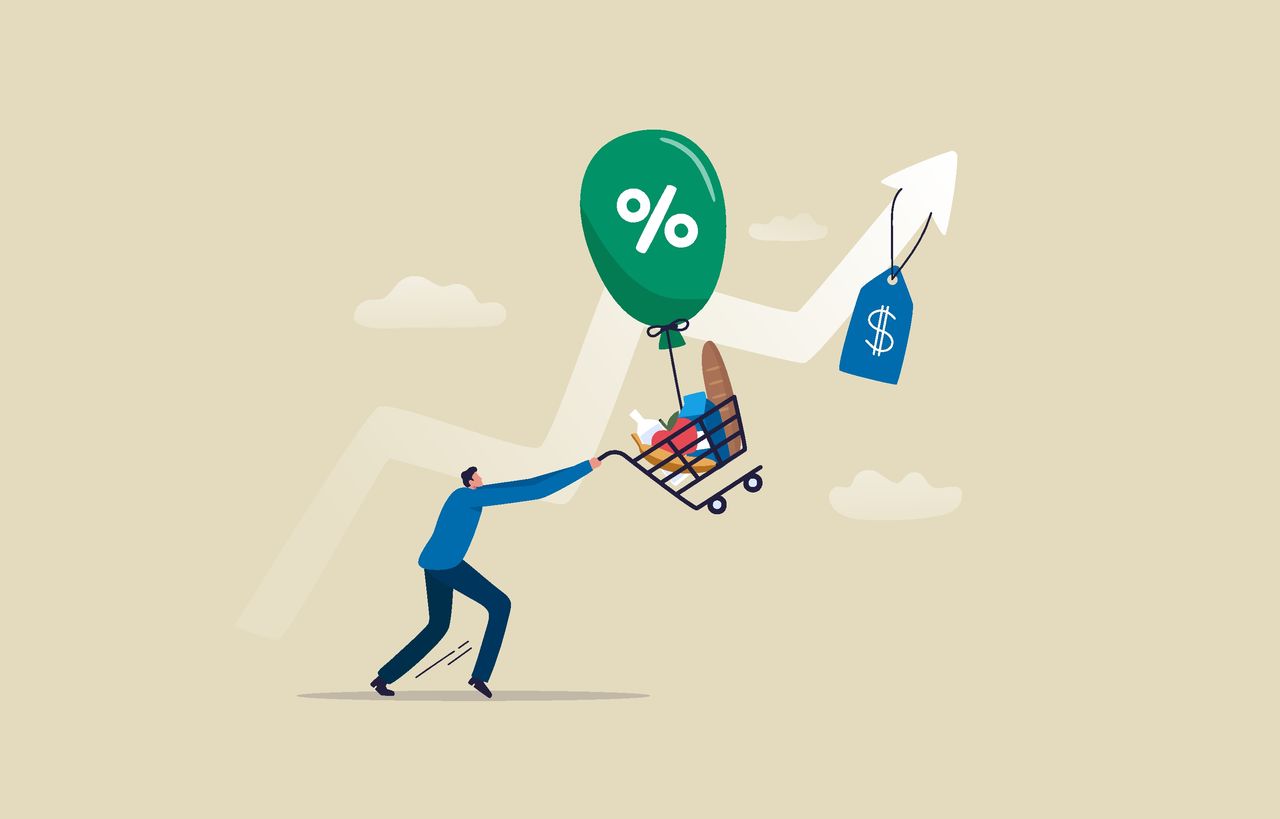
The Federal Reserve confronts a difficult tradeoff between fighting inflation and avoiding economic damage through aggressive rate hikes. Rising geopolitical tensions tied to Iran have kept commodity prices elevated, particularly oil and energy costs, which feed directly into consumer inflation.
Oil prices remain sticky above $80 per barrel in many markets. This matters because energy costs ripple through the entire economy. Airlines pay more for fuel. Trucking companies pass costs to shippers. Grocers increase prices on products they transport. Consumers feel this at the pump and in their heating bills.
The Fed's core problem: raising interest rates too fast risks tipping the economy into recession, yet holding rates steady allows inflation to persist. Higher rates make borrowing expensive for mortgages, auto loans, and credit cards. They also cool job growth and wages. But leaving rates low keeps prices climbing, eroding purchasing power for savers and fixed-income earners.
Current Fed funds rate sits in the 5.33 to 5.58 percent range. Mortgage rates hover near 7 percent. Credit card APRs exceed 20 percent on average. If the Fed raises rates further, these costs climb higher. If they hold steady, inflation persists.
Savers earning money market accounts at 4 to 5 percent currently keep pace with inflation. But that cushion shrinks if commodity-driven inflation accelerates. Bond investors face a similar squeeze. Treasury yields compensate less as inflation expectations rise.
The Iran situation adds uncertainty. Any escalation threatens to spike oil prices further, which would force the Fed's hand toward tighter policy even with recession risks. Any de-escalation might give policymakers breathing room to hold rates steady.
For ordinary households, this standoff means mortgage rates likely stay elevated through 2024. Savers should lock in current money market rates while they remain attractive. Credit card debt