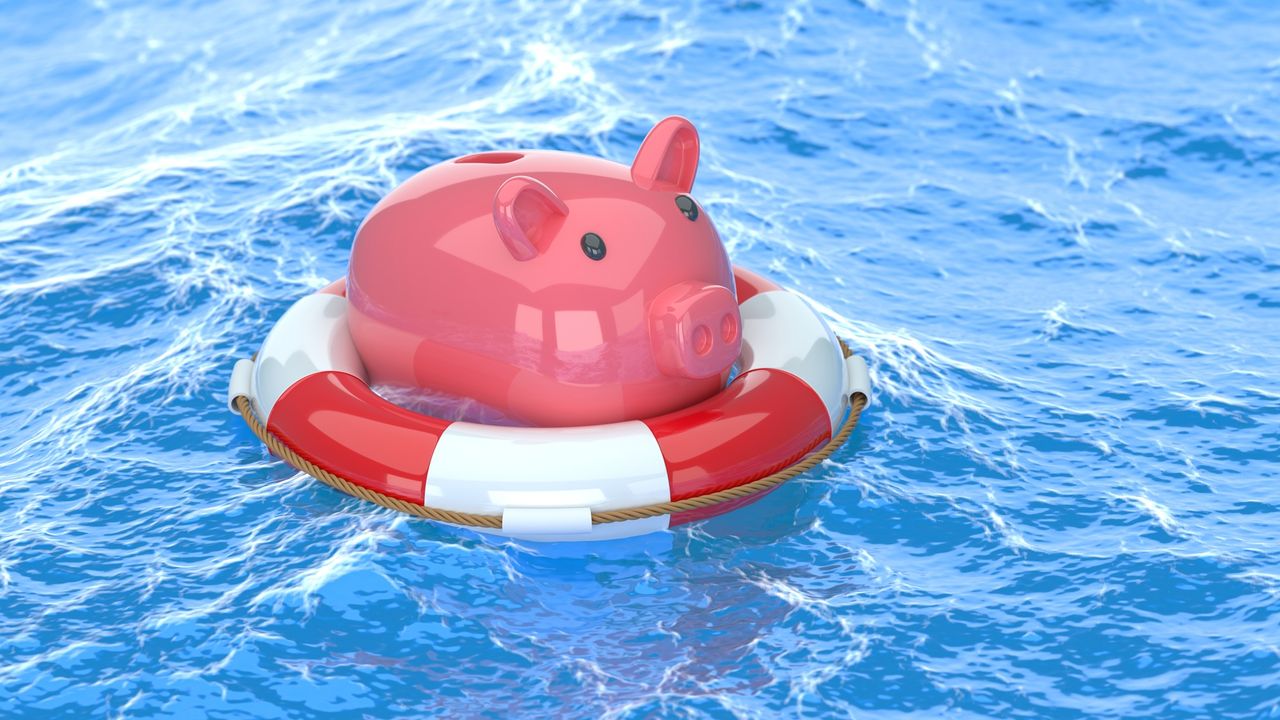
Rising prices are squeezing household budgets across America, pushing many families to the brink of financial stress. An emergency fund offers a practical buffer against this pressure, letting you cover unexpected costs without reaching for credit cards or loans.
Most financial experts recommend keeping three to six months of living expenses in an accessible savings account. For a household spending $4,000 monthly, that means $12,000 to $24,000 set aside. This money should live in a high-yield savings account, not a regular checking account, to earn interest while staying liquid.
High-yield savings accounts currently pay between 4.25% and 5.35% APY, depending on the bank. Marcus by Goldman Sachs, Ally Bank, and American Express Personal Savings all offer rates above 5%. That's substantially better than the 0.01% APY most traditional banks pay. Over a year, a $15,000 emergency fund earns $750 to $800 at these rates, providing a real return on idle cash.
Building an emergency fund works best when done gradually. Starting with $1,000 covers most common emergencies like car repairs or urgent medical visits. From there, aim to add $200 to $500 monthly until you hit your target. Automating transfers from checking to savings makes this painless.
With inflation eating away at purchasing power, having cash reserves protects you from lifestyle disruption. A job loss, medical emergency, or home repair won't force you to go into debt or derail your other financial goals like retirement savings or paying down student loans.
The emotional benefit matters too. Knowing money exists for true emergencies reduces anxiety about unexpected bills. This peace of mind lets you make clearer financial decisions instead of panicking into bad options.
Start today by opening a high-yield savings account and depositing whatever you can afford. Even $