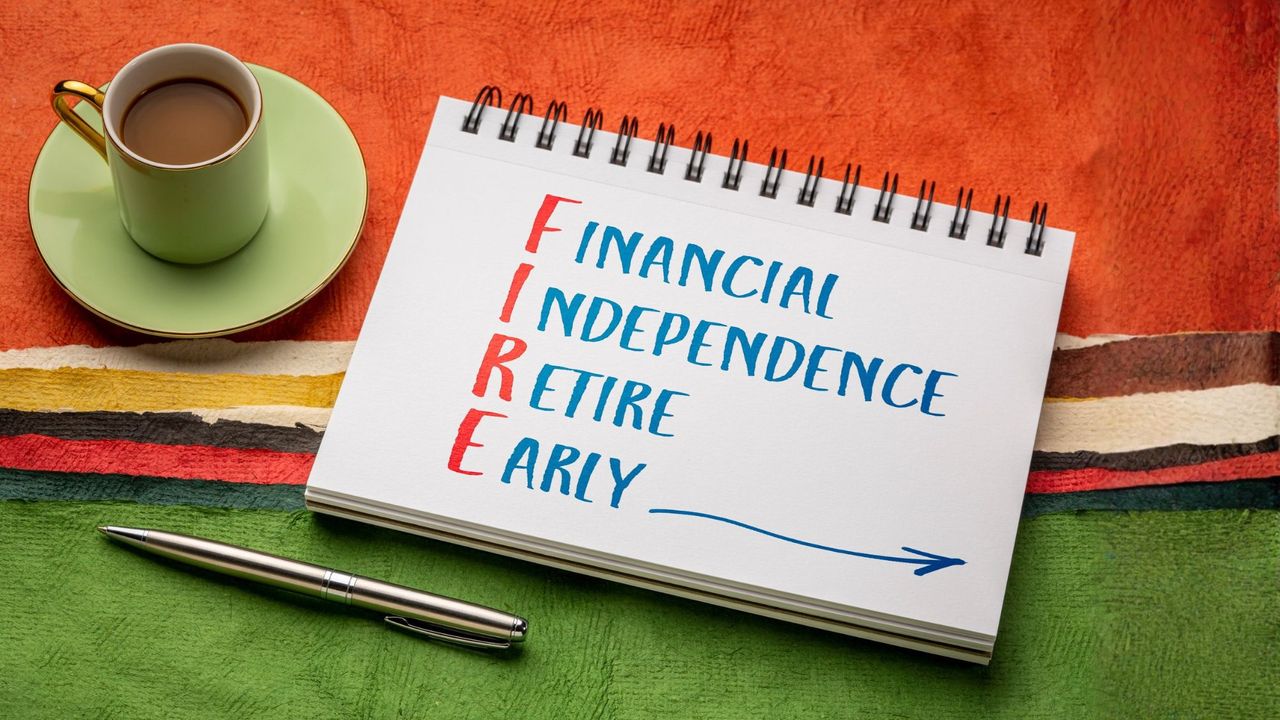
The FIRE movement (Financial Independence, Retire Early) has shifted shape over the past decade. Rising housing costs, stubborn inflation, and changing life priorities have forced savers to rethink the original playbook.
The classic FIRE formula relied on aggressive saving rates, often 50 to 70 percent of income, paired with low-cost index funds and a 4 percent withdrawal rate in retirement. This approach worked well when housing remained affordable and inflation stayed tame. Today's reality is different.
Housing now consumes a much larger share of household budgets. In 1985, the median home cost 3.5 times annual household income. Today that ratio sits closer to 5 times. This squeeze makes the traditional 50-70 percent savings rate unrealistic for many families, especially those in coastal cities or competitive job markets.
Inflation has also changed calculations. The 4 percent rule, which assumes you can withdraw 4 percent of your portfolio annually without depleting it, assumed steady price levels. Rising costs for healthcare, food, and utilities have forced planners to build larger safety margins.
Modern FIRE seekers have adapted. Some pursue "Coast FIRE," where they save aggressively early, then let compound growth do the heavy lifting later. Others adopt "Barista FIRE," keeping part-time work into their 50s to cover healthcare costs before Medicare eligibility at 65. Geographic arbitrage remains popular: earning in a high-wage city while retiring to a lower-cost region.
Life priorities have shifted too. Younger FIRE practitioners prioritize work flexibility, travel, and meaningful work over pure wealth accumulation. Many reject the extreme frugality of early FIRE blogs, instead seeking a sustainable lifestyle they can maintain for 40-50 years.
The core goal remains the same: building enough wealth to live without employment income. The timeline