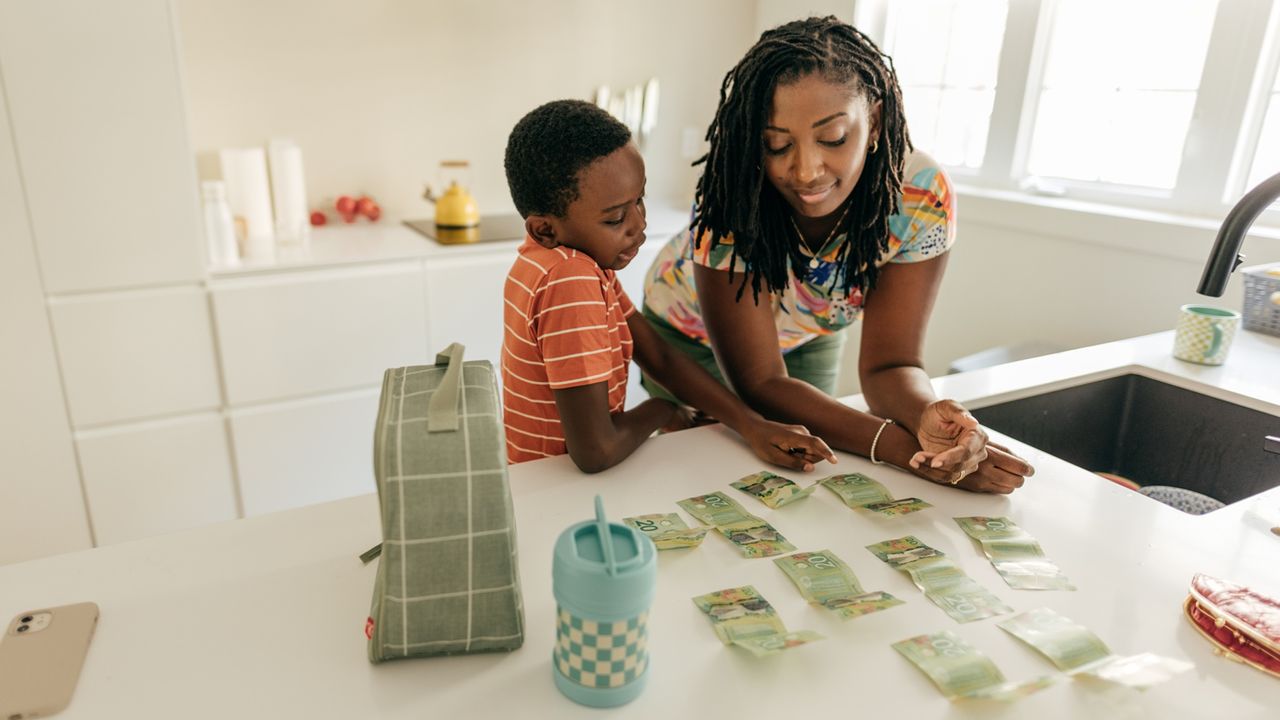
Teaching children about money early pays dividends over a lifetime. Parents who start financial lessons young equip kids with skills that shape decades of better choices.
Young children ages 5 to 8 learn best through hands-on practice. Give them cash allowances tied to chores so they see the direct link between work and earnings. Let them spend money on small purchases, make mistakes, and feel the consequence of a depleted wallet. This concrete experience sticks better than lectures.
Elementary-age kids around ages 9 to 12 can handle slightly more complexity. Introduce a simple savings goal like saving for a toy or video game. Help them open a savings account at a local bank so they watch interest accumulate over months. Have them track spending in a notebook or basic spreadsheet. Teach them the difference between wants and needs by reviewing their own wish lists together.
Teenagers aged 13 and up benefit from real-world financial tools. Help them open a checking account and debit card to manage their own money. Walk them through a monthly budget using their part-time job income or allowance. Introduce the basics of credit by explaining how credit cards work, why debt costs money through interest, and how credit scores affect future borrowing. Consider a secured credit card so they build credit history safely.
The common thread across all ages involves parents modeling good financial behavior. Kids watch how their parents handle money more closely than they listen to what parents say about it. Avoid making emotional purchases in front of children. Talk through your own decisions out loud. Let them see you review bills, compare prices, and stick to a budget.
Start conversations about money without shame or fear. Most American schools don't teach personal finance, leaving parents as the primary educators. The earlier you begin, the more natural financial thinking becomes for your child. Money management isn't complicated at any age. Clear expectations, hands-on practice, and honest