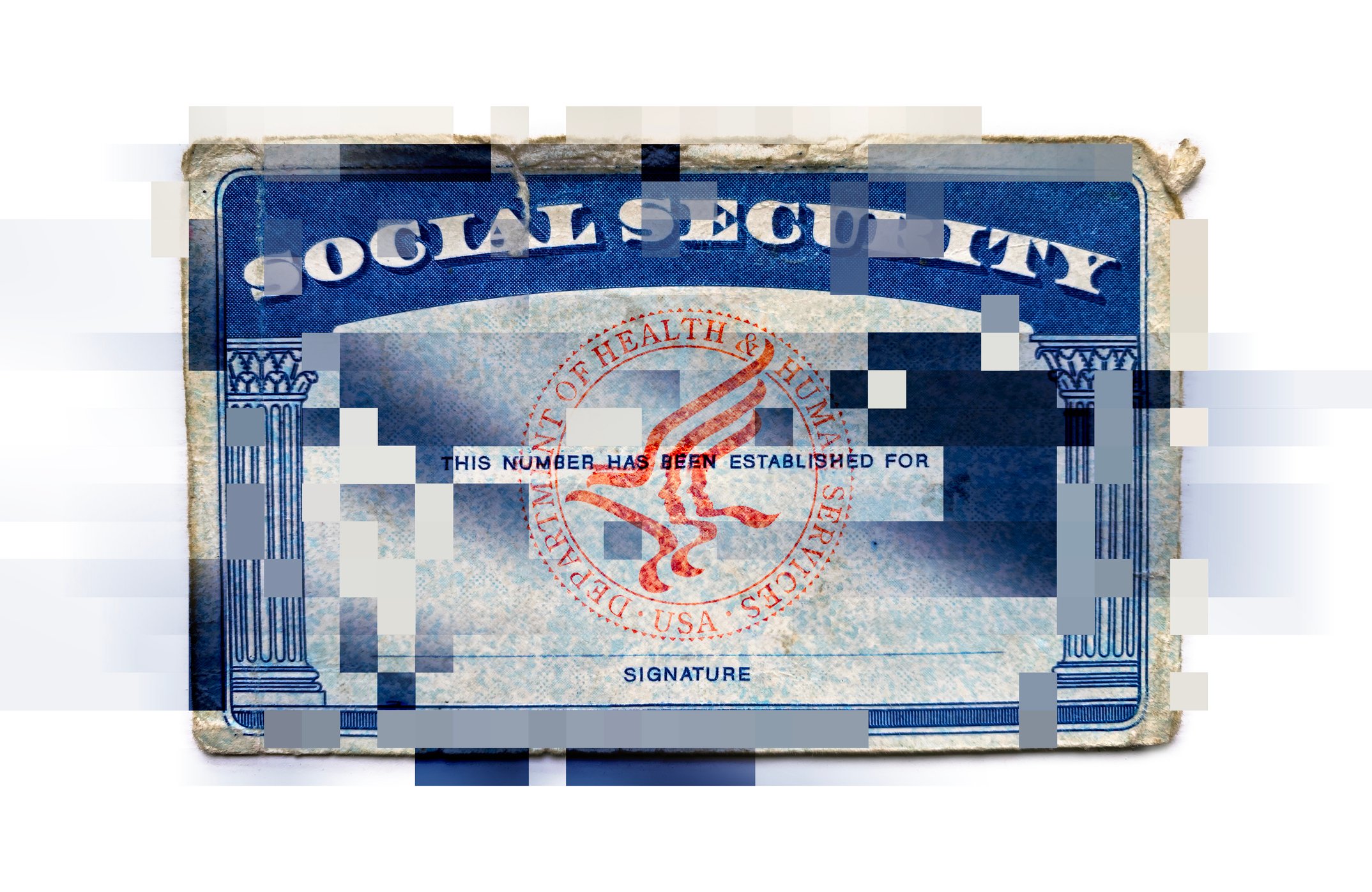
The Social Security Administration does not call people to tell them their benefits are suspended. That phone call claiming otherwise is almost certainly a scam.
Criminals use fear tactics to manipulate victims. They tell callers their Social Security number has been flagged for suspicious activity or that benefits will stop unless they act immediately. The caller then pressures the target to provide personal information, verify their Social Security number, or transfer money. Some scammers impersonate SSA officials so convincingly that people believe the threat is real.
The SSA operates differently. The agency communicates major account changes through official mail, not unsolicited calls. If there's a genuine issue with your benefits, the SSA sends a notice to your registered address. The agency never asks for passwords, bank details, or Social Security numbers over the phone.
Red flags for these scams include callers claiming urgency, threats of frozen benefits or legal action, requests for payment via gift card or wire transfer, and pressure to act before verifying anything. Legitimate SSA communications never demand immediate payment or personal information confirmation.
Here's how to protect yourself. Hang up if you receive a suspicious call. Never give your Social Security number to an unsolicited caller, regardless of who claims to be calling. If you're concerned about your benefits, contact the SSA directly at 1-800-772-1213 using the official number on the back of your Social Security card or the agency's website at ssa.gov. Wait before responding to any caller claiming your benefits are at risk.
To report a scam, forward suspected phishing emails to oig.ssa.gov and call the SSA's Office of Inspector General at 1-800-269-0271. You can also file a complaint with the Federal Trade Commission at reportfraud.ftc.gov. Filing reports helps law enforcement track scam patterns and protect other Americans from