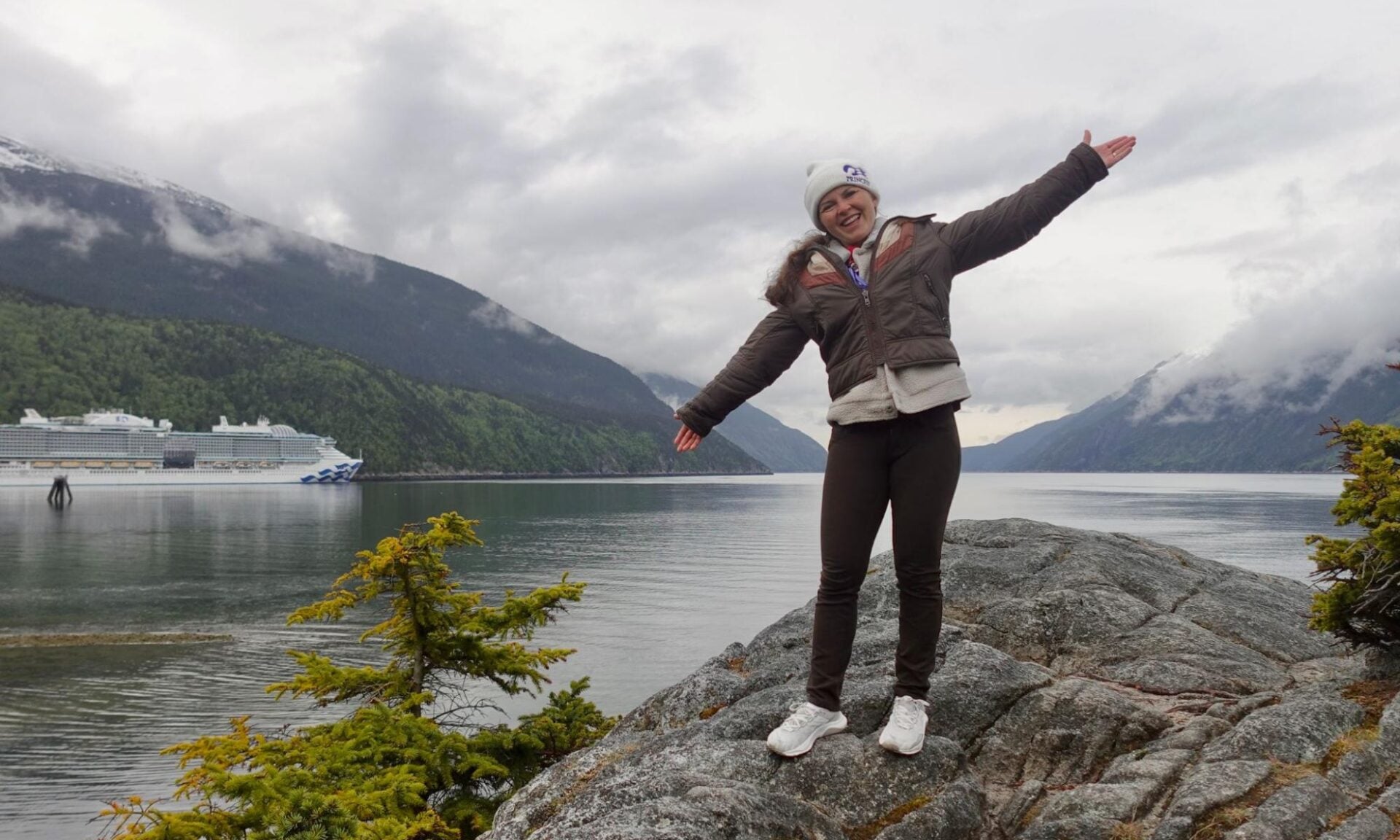
Alaska cruises demand you break three conventional cruise-packing rules that work fine in the Caribbean or Mediterranean.
First, forget the standard luggage limits. Alaska's weather swings wildly. You need heavy rain gear, fleece layers, thermal underwear, and waterproof boots alongside lighter clothes for sunny deck time. Pack both a parka and a swimsuit. Most cruise lines allow two checked bags per person, but Alaska trips justify pushing that limit or paying overages. The scenery demands proper gear, not compromise outfits.
Second, upgrade your stateroom selection beyond the typical advice. Balcony cabins matter less on tropical routes where you visit beaches. In Alaska, your cabin becomes a viewing platform. Glaciers, whales, and mountain vistas appear constantly from your private balcony. An inside cabin means missing these sights entirely. A balcony stateroom on an Alaska cruise rivals a premium resort stay in value. Budget the extra $50 to $150 per night. You'll spend hours on that balcony instead of exploring a port.
Third, reconsider whether to book excursions through your cruise line. Standard cruise advice says book independently to save money. Alaska differs. Glaciers, wildlife tours, and remote hikes require specialized equipment and experienced local guides. Cruise-line partnerships often bundle transportation, equipment, and guides efficiently. Prices run $150 to $400 per activity, but DIY logistics in remote locations create real risks. You might spend more time coordinating than exploring.
Alaska cruises operate in a different ecosystem than typical cruise vacations. The destination itself becomes the main attraction, not the ports of call. Your packing, cabin choice, and activity booking should reflect that reality. Plan for variable weather, maximize your viewing platform, and prioritize safety and convenience over penny-pinching on excursions.
The