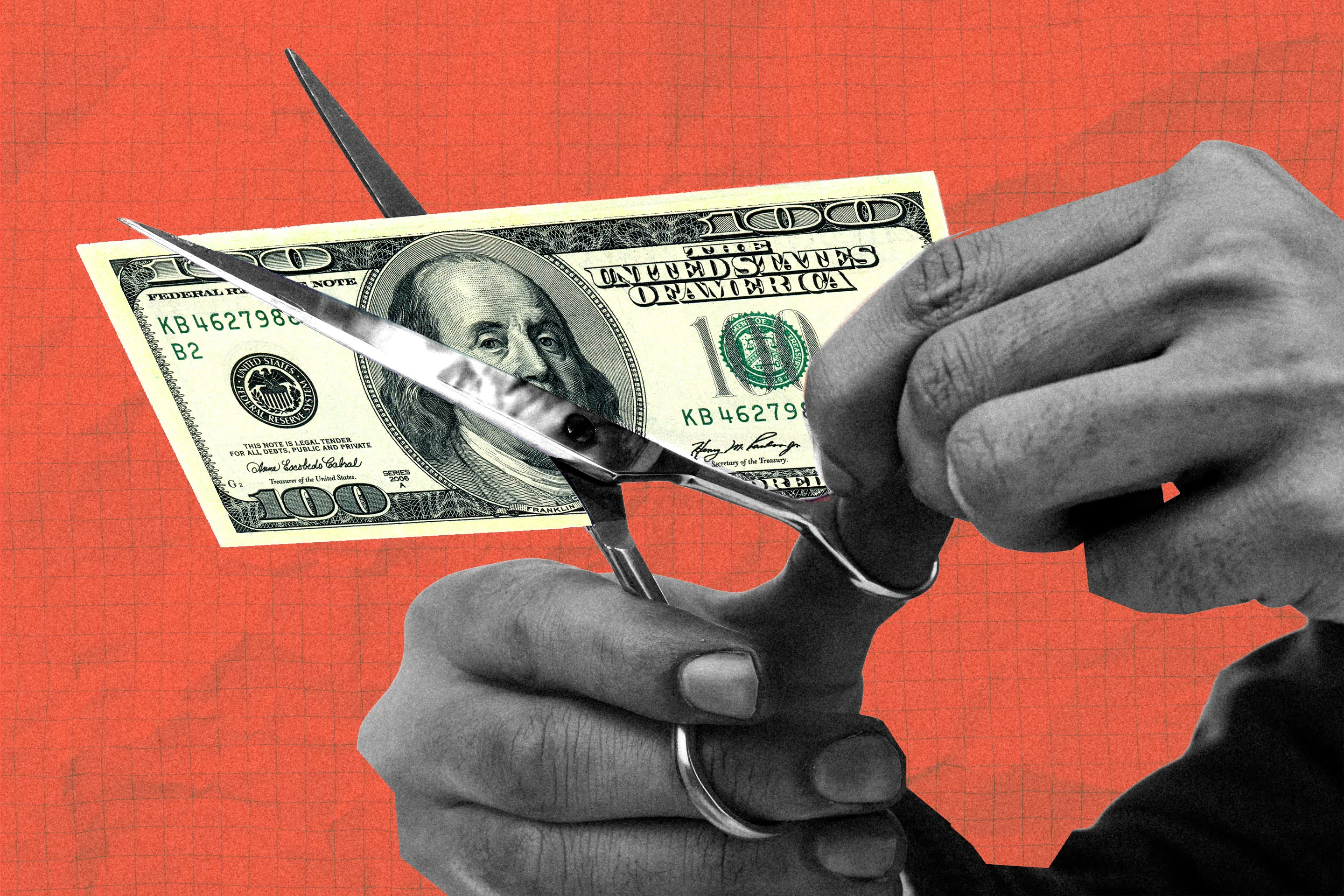
LeBron James recently restructured his contract to take a significant pay reduction, a move that highlights a broader financial strategy worth examining for ordinary workers. The NBA star's decision prioritizes long-term security and team flexibility over short-term earnings, offering lessons for anyone considering a similar trade-off.
When to accept lower pay comes down to two competing factors. First, assess your immediate financial obligations. Can you cover rent, utilities, debt payments, and emergency expenses on reduced income? If you lack three to six months of emergency savings, a pay cut becomes risky. Job loss or medical emergency could spiral into debt.
Second, evaluate your long-term career prospects. James accepted less money to position his team for championship success, betting that winning enhances his long-term earning potential through endorsements and marketability. Workers might make similar calculations. Taking a pay cut for a role at a higher-growth company, in a better market, or with stronger advancement opportunities could pay off within five years.
Consider the specific numbers. If you earn $60,000 and accept $55,000 (an 8% reduction), the question becomes whether that role offers raises of 5-10% annually while your current job stalls at 2%. Run the math over five years. After five years at the new job, you might earn $70,000. Staying put could leave you at $66,000.
Other factors matter too. Does the lower-paying role offer better health insurance, retirement matching, or flexible work arrangements? These benefits carry real value. A job with 5% employer 401(k) matching essentially gives you a raise before tax considerations.
Timing shapes the decision. Early in your career, accepting lower pay for skill-building or network-building makes sense. At 25, taking a $5,000 pay cut for better training carries different weight than at 55, when you're funding