# Is It Ever Smart to Ditch All Stocks in Retirement?
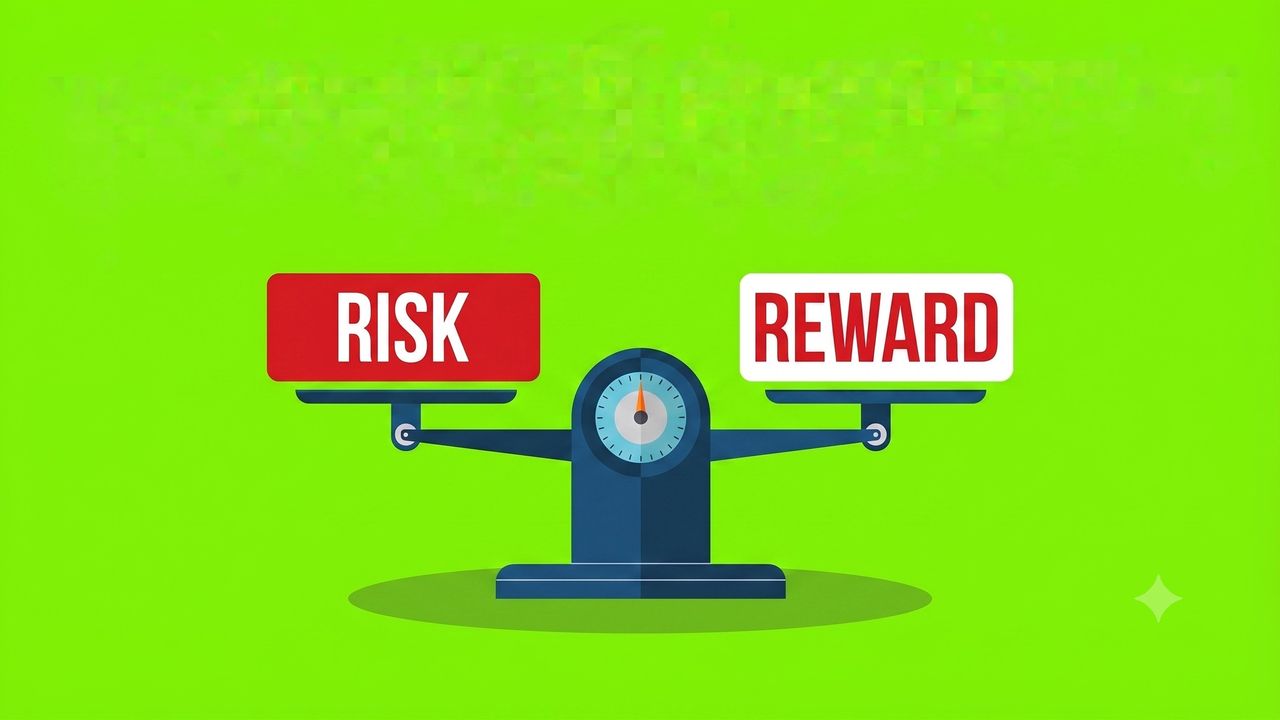
Most financial advisors recommend keeping stock exposure throughout retirement, but three specific situations warrant going entirely stock-free.
The first scenario involves extreme risk aversion. If market volatility triggers panic selling or sleepless nights, stocks may not suit your temperament. Bonds, Treasury securities, and cash equivalents eliminate that emotional burden. A retiree with $500,000 entirely in bonds earning 4-5% annual interest generates $20,000-$25,000 yearly without stomach-churning portfolio swings.
The second reason centers on short time horizons. If you plan to exit your portfolio within five years for a major purchase, stock market timing risk becomes real. A sharp downturn right before that goal deadline could force you to sell at losses. Treasuries and high-yield savings accounts eliminate this timing gamble. Current money market funds offer 5% rates with zero stock exposure.
The third factor is lifestyle adequacy. If Social Security, pensions, and bond income cover all living expenses plus a comfortable buffer, stocks become unnecessary. You don't need growth. A retiree with $1 million generating $40,000-$50,000 annually from bonds and Social Security paying $30,000 already exceeds many retirement spending targets. Keeping stocks adds risk without reward.
The tradeoff involves inflation risk and opportunity cost. Stocks historically outpace inflation by 6-7% annually over decades. All-bond portfolios struggle in high-inflation environments. A 20-year retirement facing 3% annual inflation sees purchasing power drop roughly 45%. Stock-free strategies work only if your spending needs genuinely stop growing.
Traditional advice recommends a "bucket strategy" instead. Keep one-two years of spending in bonds and cash, middle-term expenses in dividend stocks