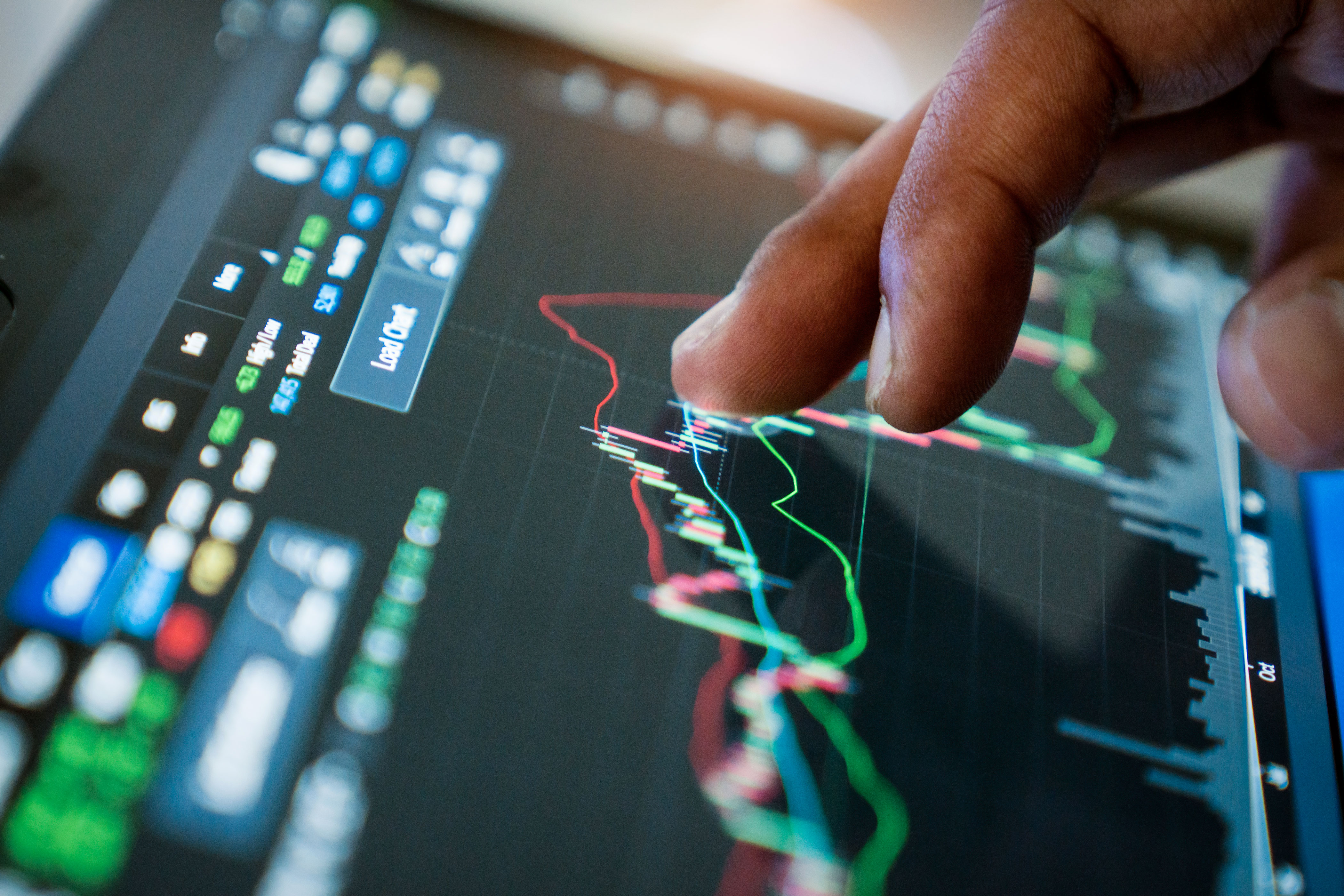
# The Best Stock Trading Apps Right Now
Choosing the right platform matters when you start trading stocks. The wrong app costs you money through high fees, poor execution, or a clunky interface that leads to mistakes.
Money Magazine identified eight top stock trading apps for August 2026. While the specific apps weren't detailed in the available excerpt, quality trading platforms generally fall into a few categories. Some cater to beginners with educational resources and simple layouts. Others target active traders who need real-time data, advanced charting tools, and fast execution speeds.
When evaluating any trading app, focus on commissions first. Most major brokers eliminated stock trading commissions years ago, so zero-commission trades should be standard. Next, check options trading fees, margin rates, and account minimums. Some apps require $25,000 minimum balances for margin accounts. Others let you start with $100.
Research execution quality too. Your orders should fill at or near quoted prices. Slower platforms sometimes execute trades worse than advertised rates. Mobile responsiveness matters if you trade on your phone. Desktop tools matter if you do technical analysis.
Beginners benefit from apps offering free stock research and educational content. Platforms like Fidelity and Charles Schwab provide detailed company reports and analyst ratings without extra charges. Active day traders need Level 2 quotes, hot lists, and fast order routing.
Security features deserve attention. Two-factor authentication, biometric login, and encryption protect your account from hackers. Check whether the app stores cash balances in SIPC-protected accounts, which insure up to $500,000 if the broker fails.
Consider tax efficiency if you trade frequently. Apps that highlight dividend dates and let you sell specific shares instead of using first-in-first-out averaging help reduce capital gains taxes.
Start by listing what matters most to you. Do you need low costs