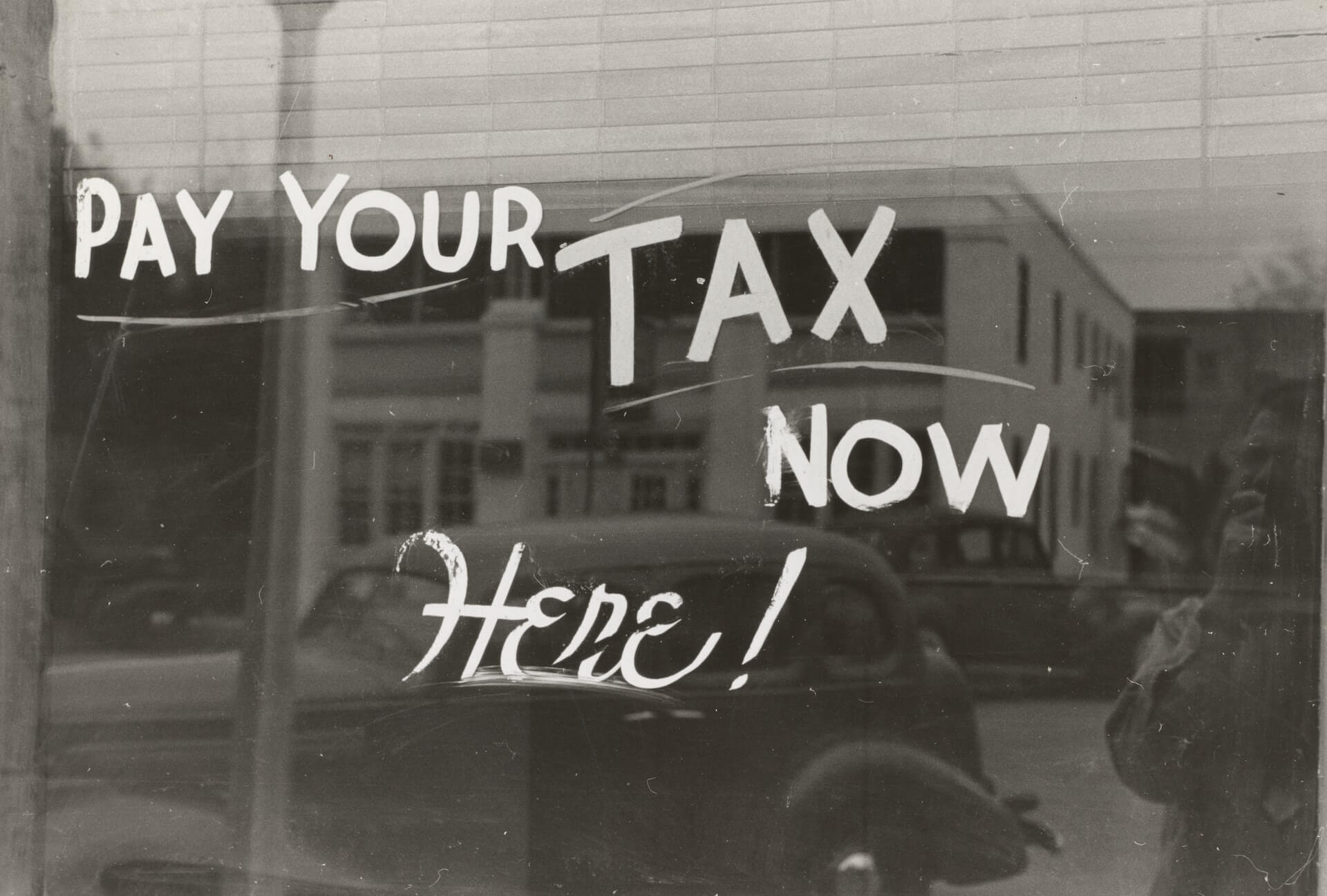
April 15, 2026, marks the deadline for filing your 2025 tax return and paying any taxes owed to the IRS. Missing this date triggers penalties and interest charges that compound quickly.
If you cannot pay your full tax bill by the deadline, you have options that beat ignoring the problem. The IRS allows you to request a payment plan, either short-term or long-term, without declaring bankruptcy or facing immediate enforcement action.
A short-term extension gives you 120 days from the due date to pay in full. The IRS charges a failure-to-pay penalty of 0.5 percent per month on unpaid balances, plus interest accruing daily. This route works if you expect cash within a few months.
Long-term payment plans cost more but spread payments over years. The IRS offers installment agreements for monthly payments as low as $25. You'll pay a setup fee between $31 and $225, depending on how you enroll (online costs less). Interest and penalties continue accruing on the unpaid balance throughout the plan term.
If you cannot pay even with a plan, file anyway by April 15. Filing on time stops the failure-to-file penalty, which runs 5 percent per month and is steeper than the failure-to-pay penalty. The IRS prefers you file and owe rather than file late.
Electronic filing through the IRS Free File program costs nothing if your income falls below the threshold (typically around $79,000). Software providers like TurboTax, H&R Block, and TaxAct offer free versions for eligible filers.
Request a payment plan directly through IRS.gov or by phone at 800-829-1040. The application takes minutes online. You can also work with a tax professional or accredited representative if your situation is complex.