# The Hidden Cost of Data Centers: Inside the Opposition
Data centers that power cloud computing, artificial intelligence, and digital services are sparking neighborhood backlash over hidden financial and lifestyle impacts.
Communities hosting these facilities report rising property taxes and utility costs without proportional public benefits. While data center operators promise job creation and tax revenue, local residents often see minimal employment opportunities requiring specialized skills. Instead, neighborhoods face increased energy consumption, water usage for cooling systems, and noise pollution from massive server installations.
Property values near data centers frequently decline. Homeowners report difficulty selling properties adjacent to these facilities due to concerns about long-term infrastructure strain and environmental effects. Some areas experience power grid stress during peak usage periods, creating reliability issues for surrounding residents.
The financial dynamics favor corporate operators over communities. Data center companies often negotiate tax incentives and abatements with state and local governments, reducing public revenue while shifting infrastructure costs to residents. This arrangement leaves communities absorbing expenses for expanded utilities, road maintenance, and emergency services without offsetting income.
Environmental concerns compound neighborhood opposition. Data centers consume enormous quantities of water for cooling, straining local supplies. Some facilities pump groundwater or tap municipal systems, raising costs for ordinary households. Energy consumption from these centers can strain electrical grids and drive up power costs regionally.
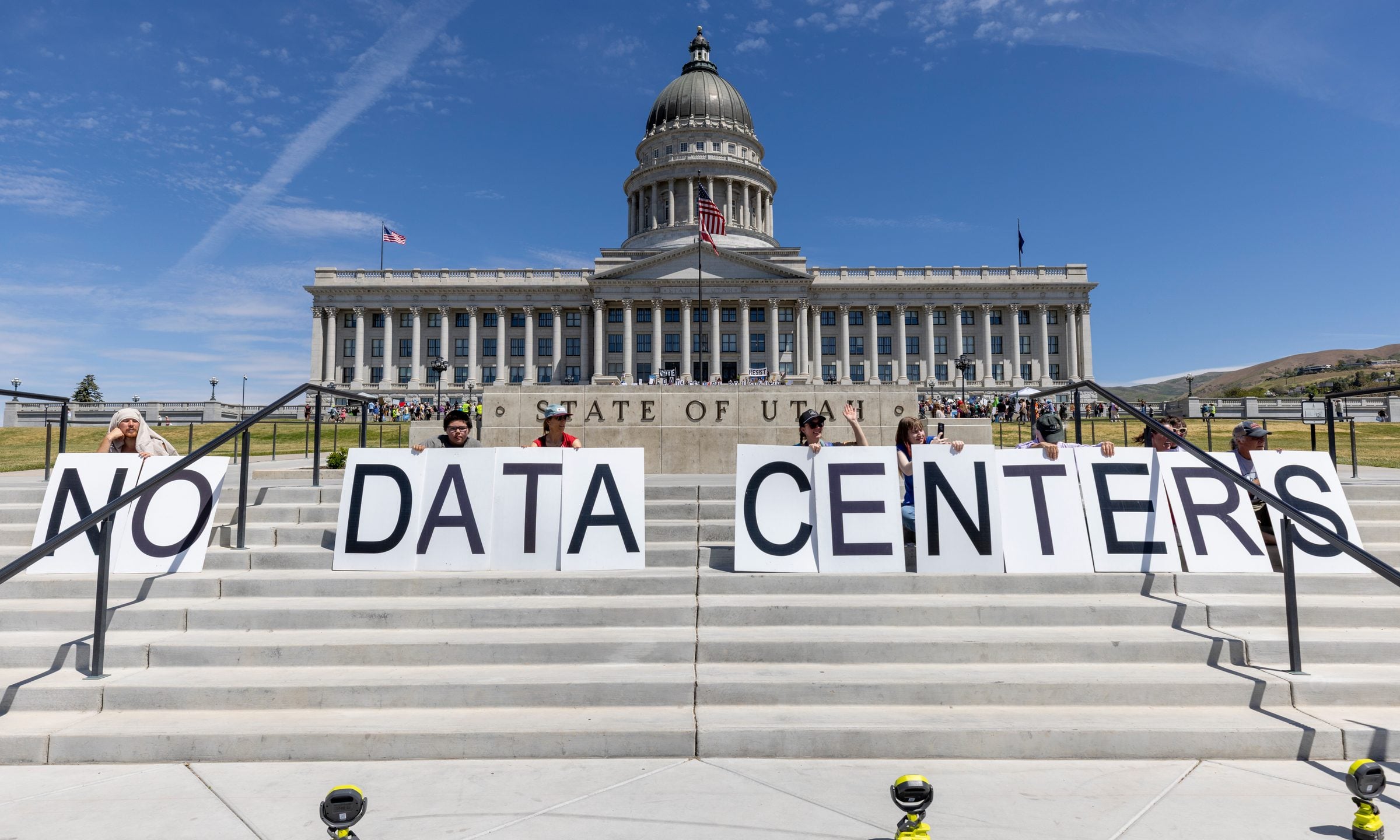
Residents in affected areas have organized opposition movements, filing zoning challenges and demanding environmental impact assessments before construction approval. Some municipalities now require data center operators to fund community benefits agreements, guaranteeing local hiring and infrastructure improvements.
For savers and investors, this trend has portfolio implications. Companies building data centers face increasing regulatory delays and community opposition costs. Communities dependent on property tax revenue may offer less fiscal stability for bond investors. Homeowners considering relocating should research planned data center development in candidate neighborhoods, as proximity materially affects property values and long-term resale prospects.
Data center expansion continues accelerating due to AI and cloud demand