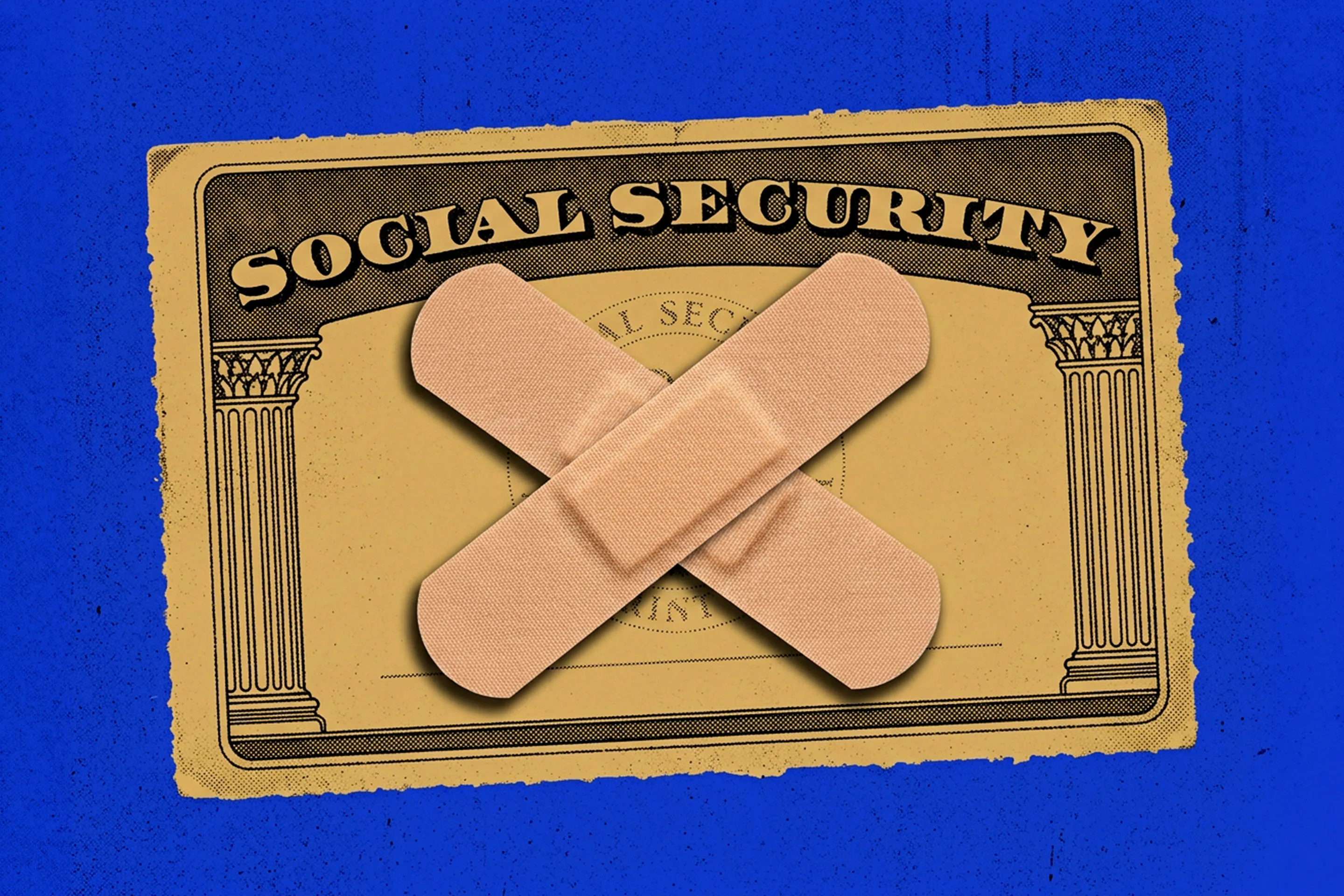
Social Security faces a looming crisis. Without congressional action, the program's trust fund will exhaust reserves around 2033, forcing automatic benefit cuts of roughly 21 percent across the board. For an average retired couple, this translates to $194,000 in lost lifetime income.
The white paper analysis shows the real damage in dollar terms. Today's retirees receiving $2,000 monthly would see payments drop to around $1,580 under automatic cuts. For younger workers, the squeeze tightens harder. Someone retiring at 67 in 2035 would receive payments barely above the federal poverty line, which currently sits around $15,000 annually for individuals.
The cuts would hit hardest those who depend most on Social Security. Roughly 42 percent of unmarried women over 65 rely on Social Security for at least 90 percent of their income. Across all seniors, the program replaces an average of 40 percent of pre-retirement earnings. Benefit cuts would push many into genuine financial hardship.
Congress has known about this deadline for years. Solutions exist but require political will. Raising the payroll tax cap (currently at $168,600 for 2024) would lift higher earners' contributions. Gradually increasing the full retirement age remains controversial but reduces long-term costs. Means-testing benefits for wealthier retirees represents another option. A combination of modest tax increases and benefit adjustments would preserve the program's solvency.
The window for painless fixes is closing. Acting now allows gradual phase-ins that minimally disrupt current retirees. Waiting until 2033 forces sudden, severe cuts that shock beneficiaries with no preparation time. Every year of delay makes eventual solutions more painful.
For workers currently under 50, assuming Social Security exists in current form is risky. Younger