Side hustlers often misunderstand when they owe self-employment tax, and that confusion costs money.
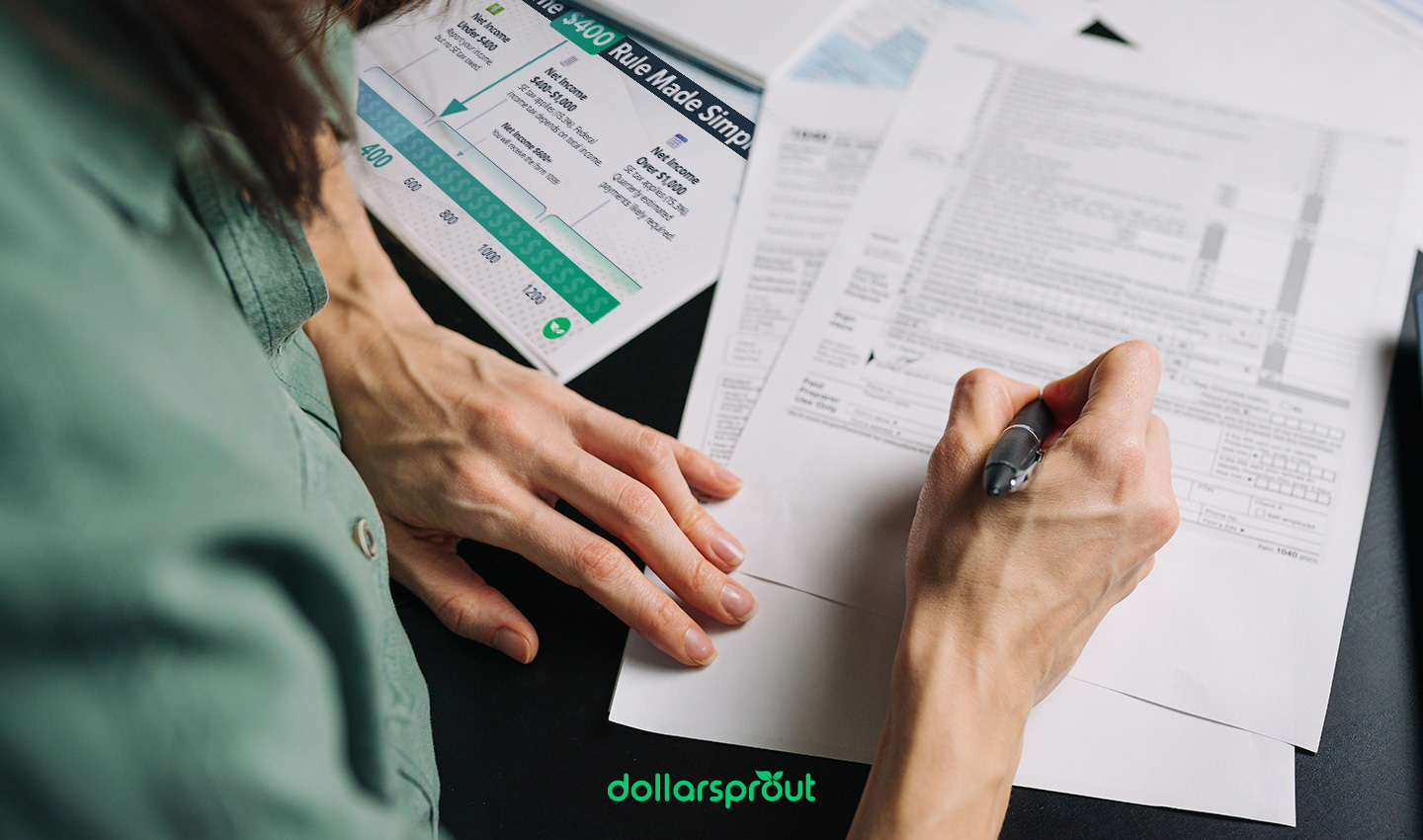
The $600 threshold that determines whether platforms issue you a 1099 form is not the same as the threshold for owing taxes. You must pay self-employment tax on side income once you earn $400 or more, regardless of whether you receive a 1099.
Self-employment tax funds Social Security and Medicare. When you work as a W-2 employee, your employer splits these costs with you. As a self-employed person, you pay both halves yourself. The combined rate is about 15.3 percent on net earnings.
Here's how it works. If you earn $400 from freelancing, consulting, reselling items, or any self-employment activity, you owe SE tax on that income. You report it on Schedule SE when filing your tax return. The IRS calculates the tax based on your net earnings after business expenses.
Many side hustlers don't realize this because platforms like Uber, Fiverr, and Etsy don't issue 1099 forms until earnings hit $600. That creates a false sense of security. Someone earning $550 might not receive a form and assume they're off the hook. They're not. The IRS still expects payment.
Worse, if you earn under $400, you technically don't owe SE tax on that income. But you do owe regular income tax if your total income crosses the standard deduction threshold for your filing status.
The practical takeaway: track every dollar from side work. Once you hit $400 in net self-employment income for the year, start setting money aside for taxes. Estimate your tax bill quarterly using Form 1040-ES, then make quarterly payments to avoid penalties and interest.
Failing to pay SE tax triggers an IRS audit risk