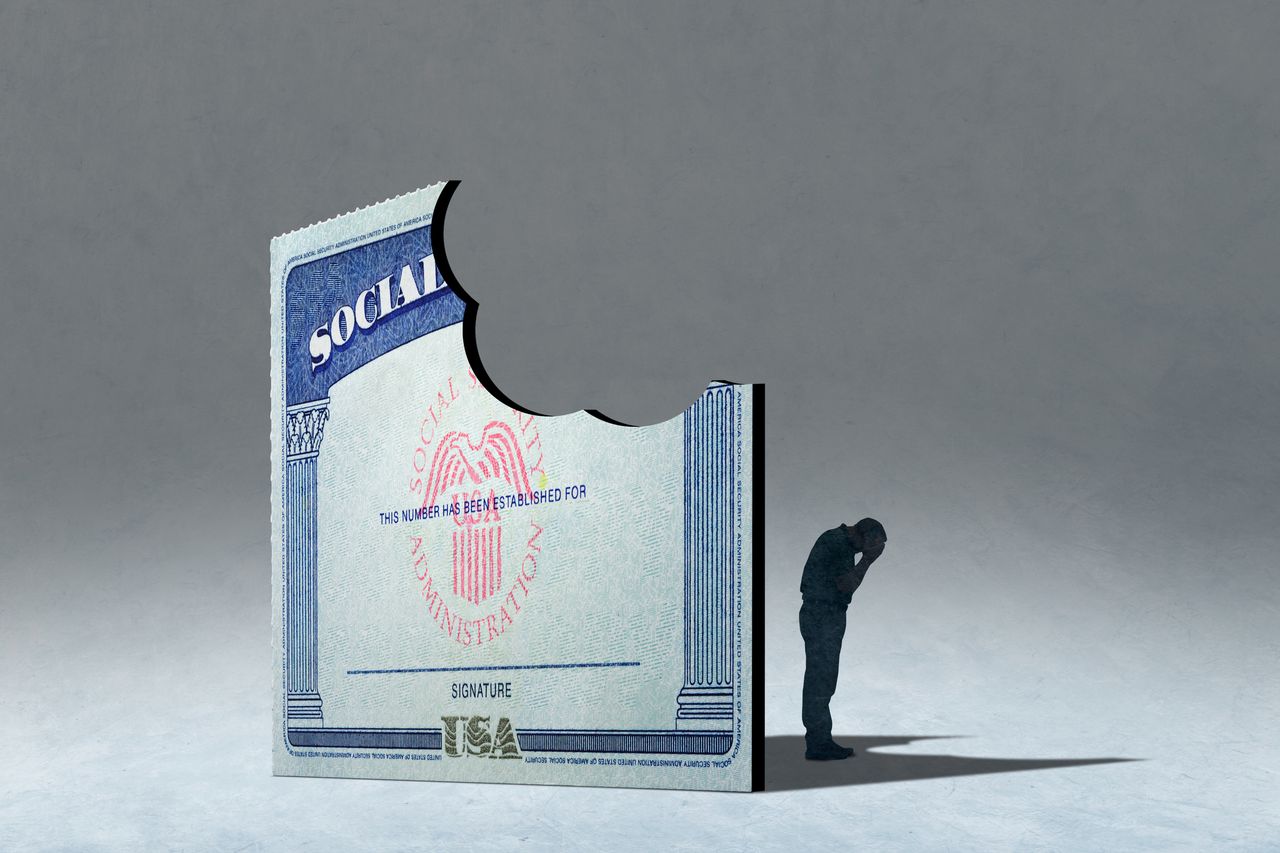
The Social Security trust fund runs out of reserves in 2032, triggering automatic benefit cuts that will affect millions of retirees nationwide. When that date arrives, the program can only pay out about 77 percent of scheduled benefits using incoming payroll taxes, unless Congress acts beforehand.
This 23 percent reduction hits retirees directly through smaller monthly checks. A retiree currently receiving $1,800 monthly would see that drop to roughly $1,386. The impact varies by state depending on the concentration of retirees and their average benefit amounts. States with older populations, like Florida and Maine, face steeper aggregate losses.
The damage extends beyond individual wallets. When retirees spend less, state economies contract. Smaller benefit checks mean less consumer spending at local businesses, reduced sales tax revenue, and fewer jobs in retail and service sectors. States already struggling with tax bases lose additional revenue just when they might need it most.
Retirees in lower-income brackets suffer disproportionately. Social Security replaces roughly 40 percent of preretirement income for average earners, but nearly 90 percent for low-income workers. A benefit cut decimates households with few other savings or pension income.
Congress has options to prevent the shortfall. Raising the payroll tax cap beyond the current $168,600 annual cap, increasing the payroll tax rate from 12.4 percent, or gradually raising the full retirement age could shore up finances. Means-testing benefits for higher earners represents another approach. Most realistic solutions involve a combination of these changes.
The 2032 deadline appears distant but arrives quickly for policy purposes. Legislative action requires time for public debate and implementation. Delaying action makes necessary changes steeper and more disruptive.
Retirees should review their benefit statements and plan accordingly. Those far from retirement have options like working