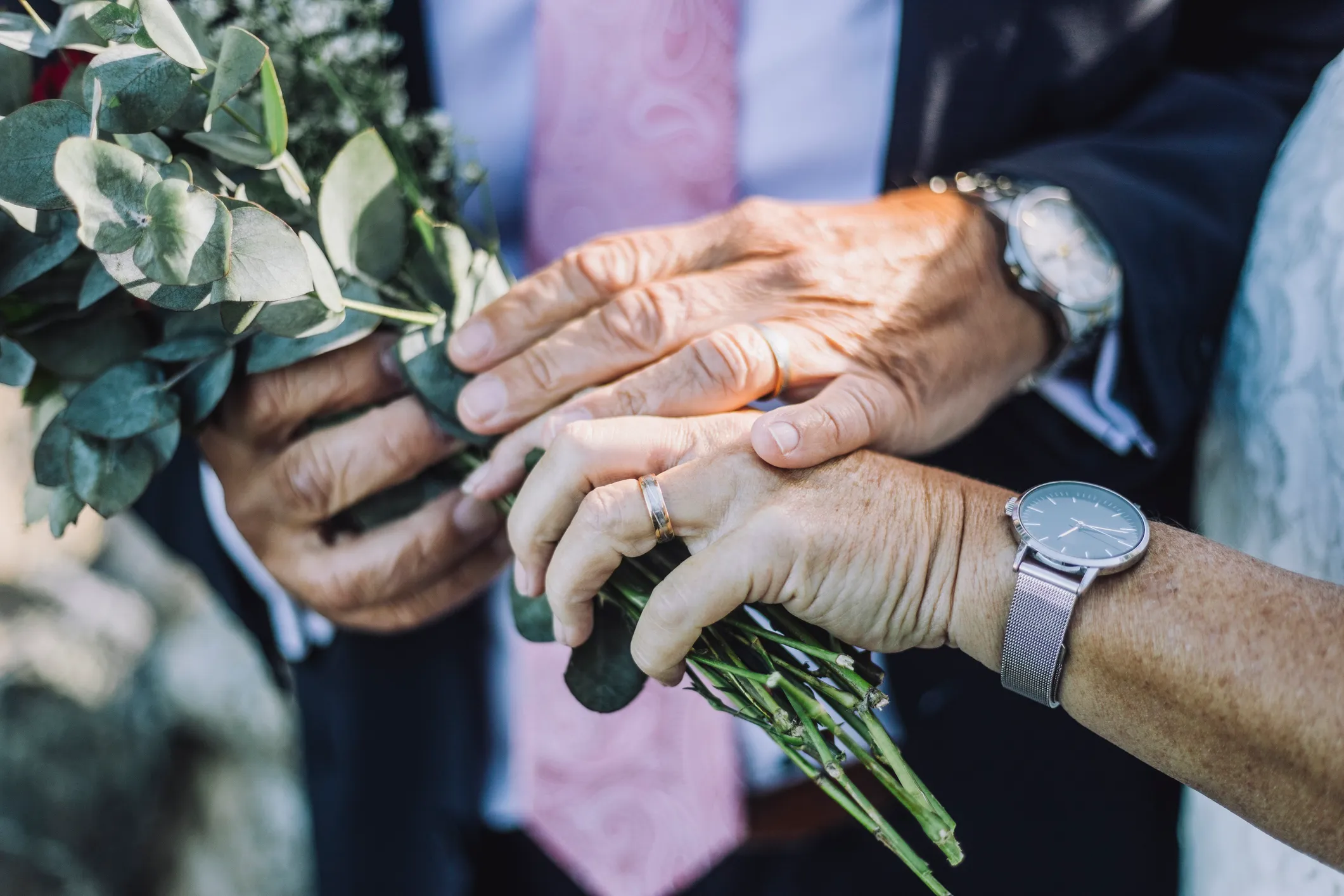
Remarrying after 60 can trigger a hidden Social Security penalty that catches many widows and widowers off guard.
If you remarry before age 60, you lose eligibility for survivor benefits based on your deceased spouse's Social Security record. Remarry at 60 or older, and you keep those benefits intact. This rule creates a sharp financial cliff that demands careful timing before walking down the aisle again.
The survivor benefit amounts can be substantial. A widow or widower typically receives up to 100 percent of what the deceased spouse was receiving at death, or up to 75 percent of their primary insurance amount depending on age and circumstances. For someone living on a modest income, this monthly payment often forms a critical part of retirement income.
The stakes grow higher if you're weighing remarriage against staying single. Losing survivor benefits could mean giving up hundreds or thousands of dollars monthly for the rest of your life. That's a permanent reduction in income that no new marriage should force you to accept without understanding the cost.
The solution requires planning before the proposal. If you're dating someone seriously and you're under 60, consider waiting until after your 60th birthday to marry. Social Security counts age 60 as the threshold, so marrying on your 60th birthday preserves your benefits. This isn't about love. It's about protecting your financial security.
You should also verify which benefits you qualify for based on your former spouse's record versus your own earnings record. Sometimes your own Social Security provides more income than survivor benefits. Social Security's website offers a benefit estimator, and speaking with a representative directly clarifies your specific situation. The agency has representatives at local offices and a national phone line to discuss your records and eligibility.
Widows and widowers often don't know this rule exists until after remarrying, when the shock of losing benefits hits. A conversation with Social Security before you