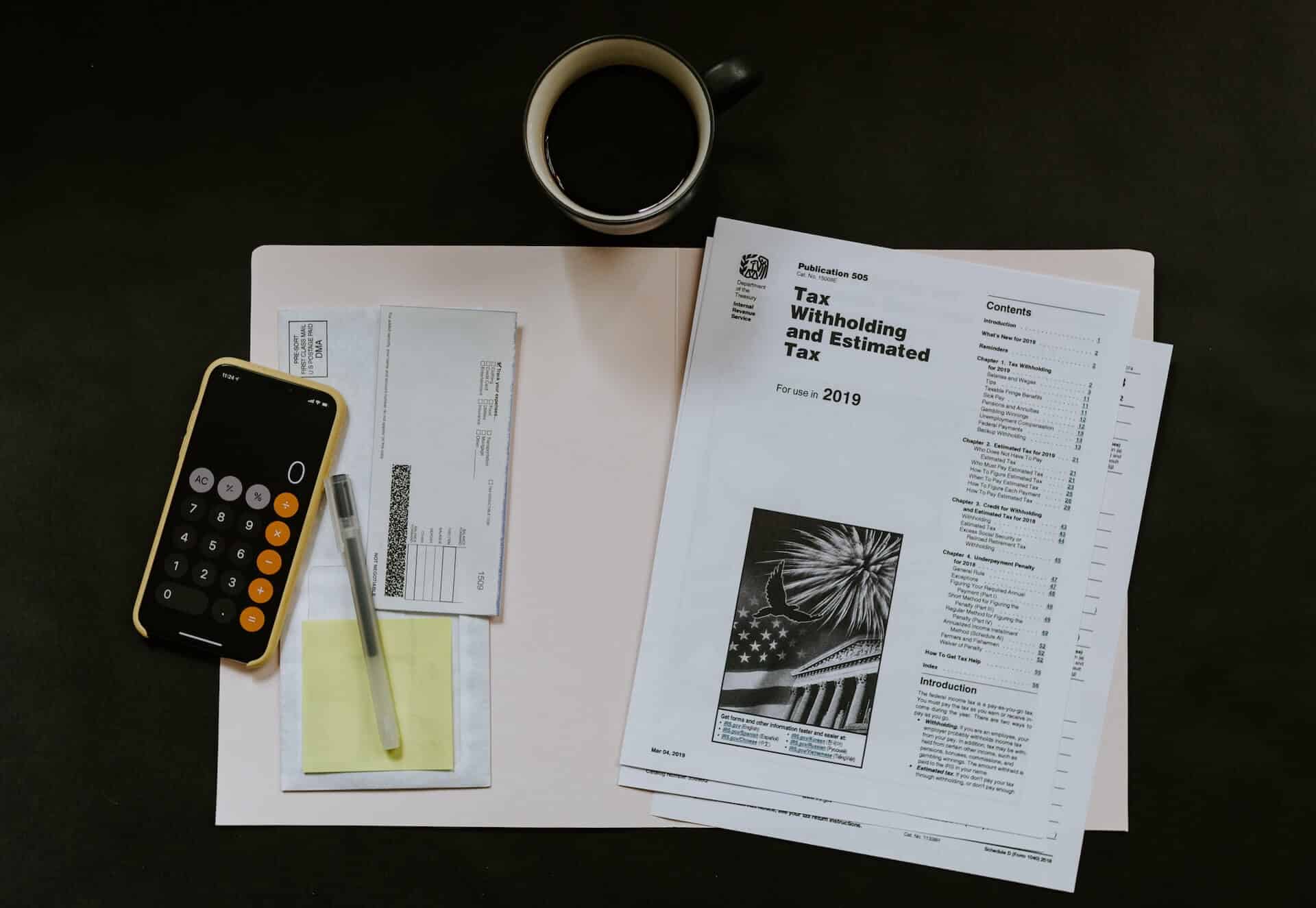
Taxpayers have three main routes to file their taxes this year, each with different costs and complexity levels.
The cheapest option remains free filing through the IRS Free File program. Eligible taxpayers earning below certain income thresholds can use software from companies like TurboTax, H&R Block, and TaxAct at no cost. The IRS Free File Alliance partners offer basic returns without preparation fees. This works best for straightforward situations with W-2 income and standard deductions.
Tax software for self-directed filers comes next. TurboTax, H&R Block, and TaxAct charge $60 to $120 for standard federal returns, depending on complexity. These platforms guide you through deductions, credits, and calculations with real-time error checking. You'll pay extra for state returns, usually $15 to $50 each. Software works well for people with side income, investment earnings, or multiple income sources who still want control over their filing.
Professional tax preparers offer the highest cost but eliminate the work. CPAs and enrolled agents charge $150 to $400 for average returns, with complex situations running $500 or more. Tax preparation chains like H&R Block and Jackson Hewitt charge $100 to $300 depending on return complexity. This route saves time and often uncovers deductions you'd miss yourself.
Choose free software if your income is under the eligibility limit, typically $57,000 to $64,000 for most filers. Pick self-service software if you have moderate income, some deductions to claim, and comfort navigating forms. Go professional if you own a business, have investment income exceeding $5,000, itemize deductions, or face significant life changes like divorce or home purchase.
The IRS deadline is April 15. Filing early reduces identity theft risk