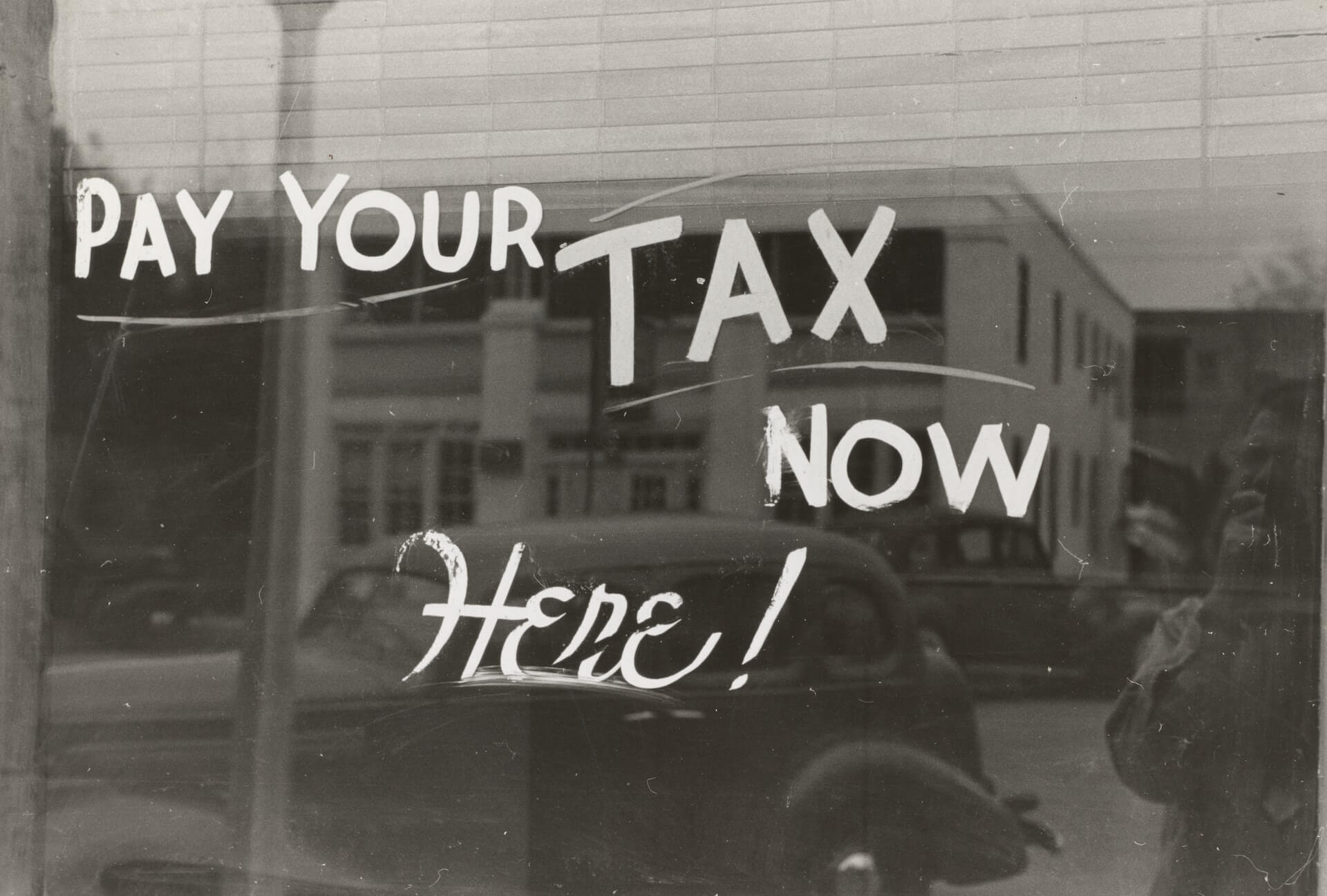
Taxpayers have until April 15, 2026, to file their returns and pay what they owe, the IRS confirms. This deadline applies to most individual filers, though some situations trigger earlier or later dates.
Missing the April 15 deadline carries real costs. The IRS charges a failure-to-file penalty of 5 percent per month on unpaid taxes, capped at 25 percent. A separate failure-to-pay penalty adds another 0.5 percent monthly on the balance owed. Both penalties compound quickly. File late without paying, and you face both penalties stacked together.
Extensions exist. Requesting Form 4868 from the IRS grants an automatic six-month extension, pushing your filing deadline to October 15. This buys time to gather documents or work with a tax professional. The extension applies only to filing, though. You still owe estimated taxes by April 15, or penalties apply to the unpaid balance.
If you cannot pay the full amount owed, the IRS offers installment agreements. Short-term plans cover balances under $100,000 due within 180 days. Long-term agreements spread payments over months or years. Setup fees range from $31 to $225 depending on the plan type and payment method. Monthly payments might run $25 to several hundred dollars.
The IRS also considers offers in compromise for those with genuine hardship. This lets you settle your debt for less than the full amount owed, but approval requires proving you cannot afford to pay the full liability. Applicants complete Form 656 and submit financial documentation.
Payment plans begin protecting you from additional collection action once approved. The IRS stops pursuing aggressive collection while you make regular payments. Missing a payment cancels the agreement and restarts collection efforts.
File on time even if you cannot pay. Filing prevents the failure-