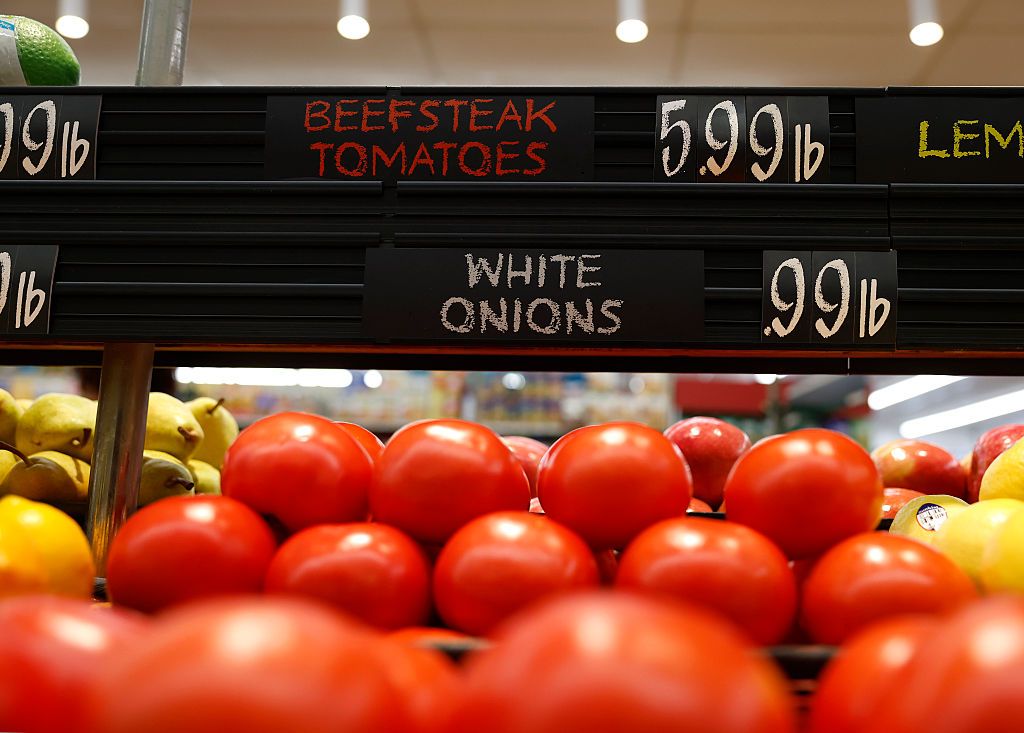
June's Consumer Price Index arrived with welcome news for borrowers and savers alike. Inflation cooled from May's pace, driven largely by falling energy prices that gave households relief at the pump and in utility bills. The data hands the Federal Reserve a clearer picture for its next decision on interest rates.
Energy prices dragged down the overall inflation reading significantly. Gasoline and heating fuel costs retreated from earlier highs, offsetting persistent price increases in other categories like food and services. This mixed picture—some prices still climbing while energy retreats—shows inflation remains uneven across the economy.
The Fed now faces less pressure to continue hiking rates aggressively. The central bank has already lifted its benchmark federal funds rate from near zero in March 2022 to between 5.25 and 5.50 percent currently. With inflation showing signs of cooling, policymakers can pause and assess whether those increases have done enough to bring prices under control.
What this means for savers depends on timing. If the Fed holds rates steady, the high-yield savings accounts and money market funds currently paying 4.5 to 5.25 percent will likely maintain those rates for now. However, if cuts begin later this year, those returns will shrink. Savers should lock in competitive rates while available.
Borrowers benefit from a pause in rate hikes. Mortgage rates, credit card rates, and auto loan rates often move in tandem with Fed decisions. Stabilized rates mean borrowing costs stop climbing, though they remain elevated compared to 2020 and 2021 levels. The average 30-year mortgage sits around 6.5 percent, down from recent peaks but still well above pre-pandemic levels.
The June CPI report removes some of the urgency from the rate-hike cycle. Investors should watch for the Fed's next statement closely. A