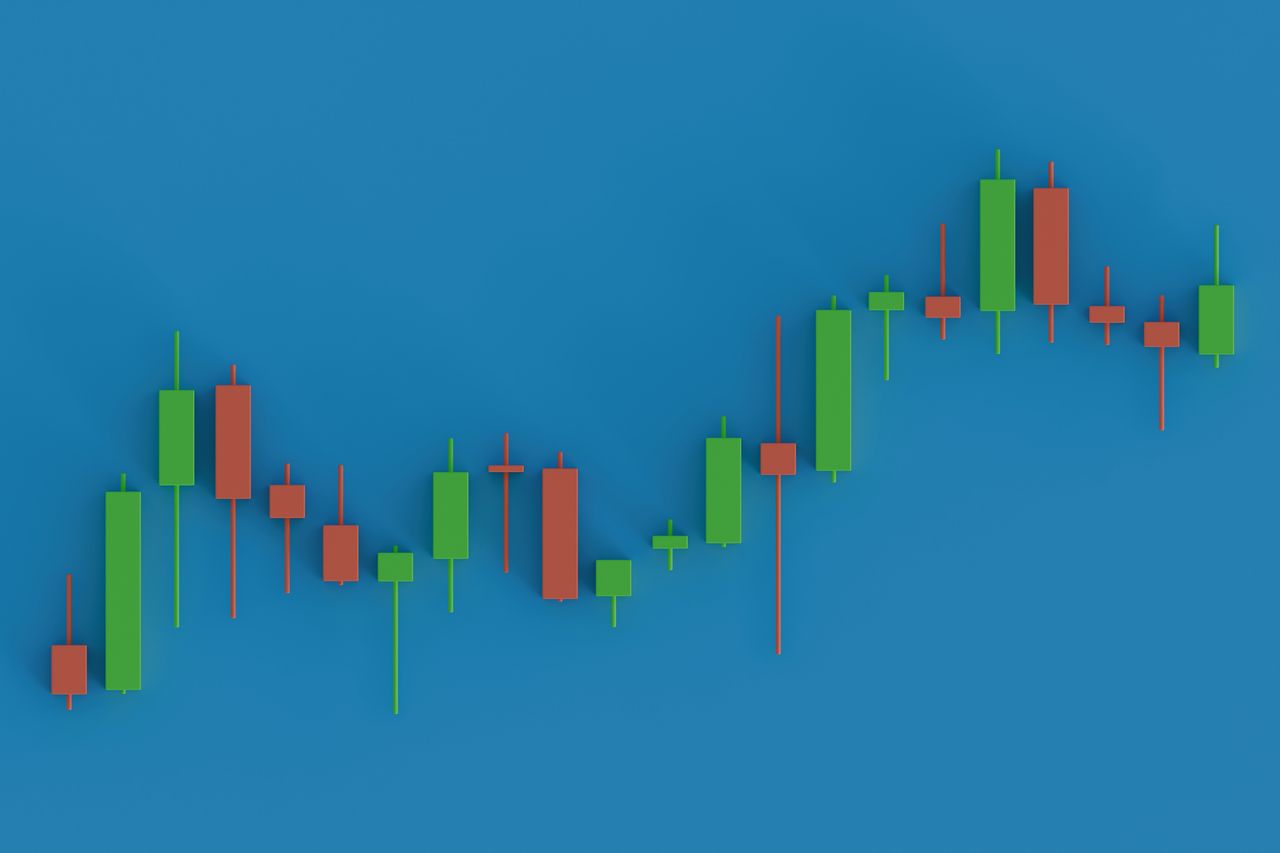
Stock markets climbed today as investors digested better-than-expected corporate earnings reports and softer inflation readings for June. The combination of solid company profits and cooling price pressures gave traders confidence to push equity indexes higher, temporarily overshadowing geopolitical tensions in the Strait of Hormuz.
Second-quarter earnings season delivered results that beat forecasts across several sectors. Companies reported stronger-than-anticipated revenues and profit margins, signaling economic resilience despite recent interest rate hikes. This performance matters directly to your investment returns. When stocks rise on earnings strength, it reflects real business health rather than speculation alone.
June's consumer inflation data proved equally important for savers and investors. Slower price growth reduces the likelihood of aggressive future rate increases from the Federal Reserve. This matters if you hold bonds, savings accounts, or CDs. Lower inflation expectations typically mean the Fed can hold rates steady or even cut them eventually, which would improve yields on new savings products while potentially boosting bond values.
The positive sentiment from earnings and inflation came despite ongoing concerns about shipping disruptions in the Strait of Hormuz, a critical global oil transport route. Market participants largely set aside these geopolitical worries in favor of domestic economic data.
For ordinary investors, today's rally reinforces a key lesson: earnings and inflation data shape stock performance more predictably than headline-grabbing global events. If you hold a diversified portfolio of index funds or individual stocks, strong earnings reports improve your long-term returns. If you're shopping for savings accounts or CD rates, moderating inflation improves the real purchasing power of those fixed yields.
Watch how earnings reports continue through the season. Companies that beat expectations typically see their stock prices rise, while misses trigger drops. Combined with the Fed's next inflation assessment, these fundamentals will determine whether current market momentum holds or reverses.