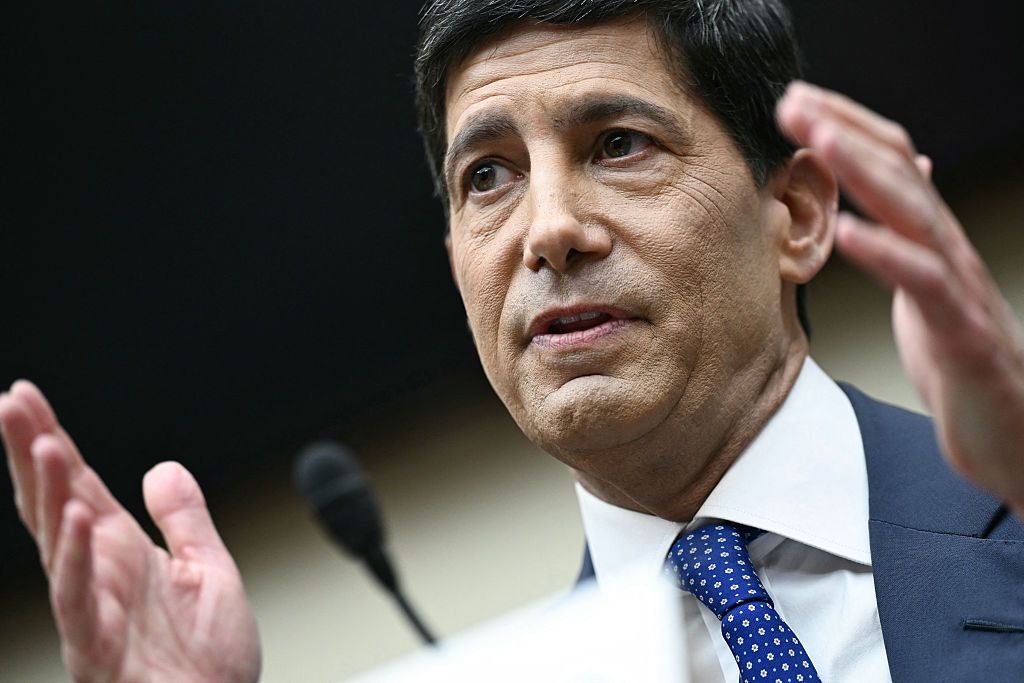
Kevin Warsh assumed the Federal Reserve chairmanship facing five major conflicts that test his leadership from day one.
Warsh inherits an institution managing competing pressures. The Fed must balance inflation control against employment goals. Interest rates remain elevated after aggressive hikes under his predecessor, creating tension between supporting economic growth and preventing price increases from resurging. Financial markets expect rate cuts, but premature reductions risk reigniting inflation.
Banking sector stability presents another flashpoint. Regional banks faced deposit flight and solvency concerns in recent years. Warsh must oversee institutions holding trillions in deposits while managing regulatory expectations. Tighter lending standards imposed after bank stress tests limit credit availability, potentially slowing economic activity.
The third conflict involves regulatory authority. The Fed shares power over financial oversight with the Treasury Department, the Office of the Comptroller of the Currency, and the Federal Deposit Insurance Corporation. Warsh must coordinate across these agencies while asserting the Fed's independent mandate, particularly on issues like digital currencies and climate risk in banking.
Political pressure from both parties creates a fourth challenge. Conservatives question the Fed's independence and push for rate cuts to support growth. Progressives demand the Fed prioritize employment and worker protections. Warsh must navigate these opposing forces without appearing captured by either side.
Finally, global economic instability adds complexity. Geopolitical tensions, international debt levels, and currency fluctuations affect U.S. financial conditions. The Fed's actions ripple through global markets, creating diplomatic considerations beyond traditional monetary policy.
These conflicts lack clean solutions. Warsh's decisions on interest rates directly affect mortgage costs, savings rates, and job security for millions of Americans. A rate held too high slows hiring and raises unemployment. A rate cut too early allows inflation to persist, eroding purchasing power for savers and workers.
The markets and public watch closely. Warsh's