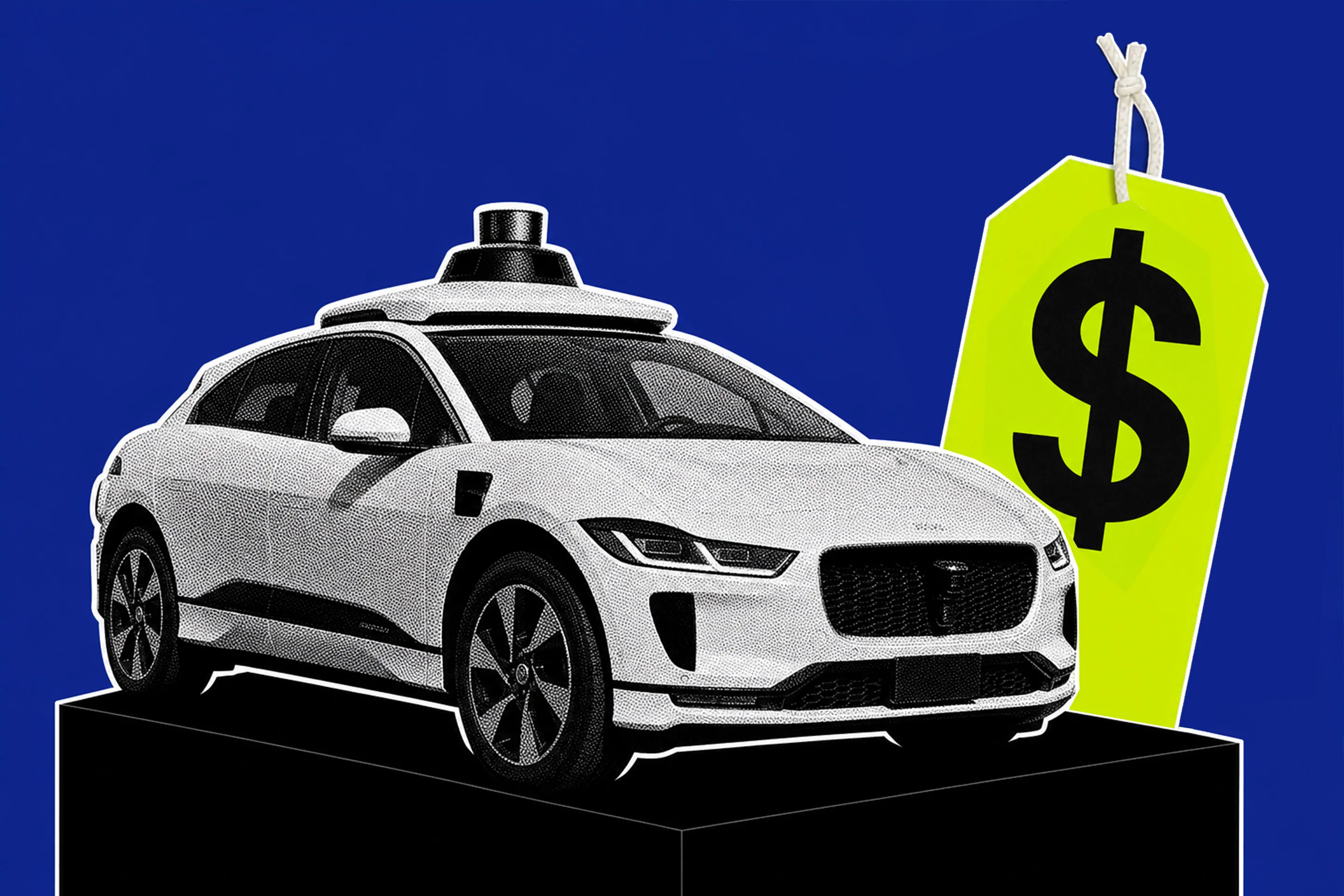
Self-driving car technology promises safer roads, but don't expect your auto insurance premiums to plummet anytime soon. Insurers remain skeptical about rate cuts until they see overwhelming evidence that autonomous vehicles genuinely reduce accidents.
The insurance industry's caution makes sense. Underwriters base rates on decades of accident data tied to human drivers. Self-driving cars exist in limited numbers on real roads, leaving insurers without the historical data needed to justify lower premiums. A few thousand miles of autonomous driving cannot compete with billions of miles logged by conventional vehicles.
Safety claims from manufacturers also face scrutiny. Tesla, Waymo, and other companies touting their autonomous systems often use different metrics or selective data to prove safety improvements. Without standardized testing protocols across the industry, insurers struggle to compare claims fairly. One company's safety statistics may not translate across different platforms.
Liability questions complicate pricing further. When an accident occurs, determining fault becomes murky. Is the software manufacturer responsible? The vehicle owner? The operating company? Insurance companies cannot price risk when legal responsibility remains undefined. Many states still lack clear regulations governing autonomous vehicle liability.
Another barrier exists around partial autonomy. Most vehicles today offer driver-assistance features like lane-keeping and automatic braking, not full self-driving capability. Insurance companies must evaluate whether these features reduce claims enough to warrant discounts. Early data suggests some driver-assistance technologies do lower accident rates, but results vary by system.
Some insurers do offer modest discounts for vehicles with advanced safety features. GEICO, State Farm, and others provide small premium reductions for cars with collision avoidance systems or automatic emergency braking. These discounts typically range from 5 to 10 percent, far below what autonomous vehicle advocates predict.
For insurance costs to drop meaningfully, manufacturers need to accumulate years of real-world accident data proving autonomous systems outperform human