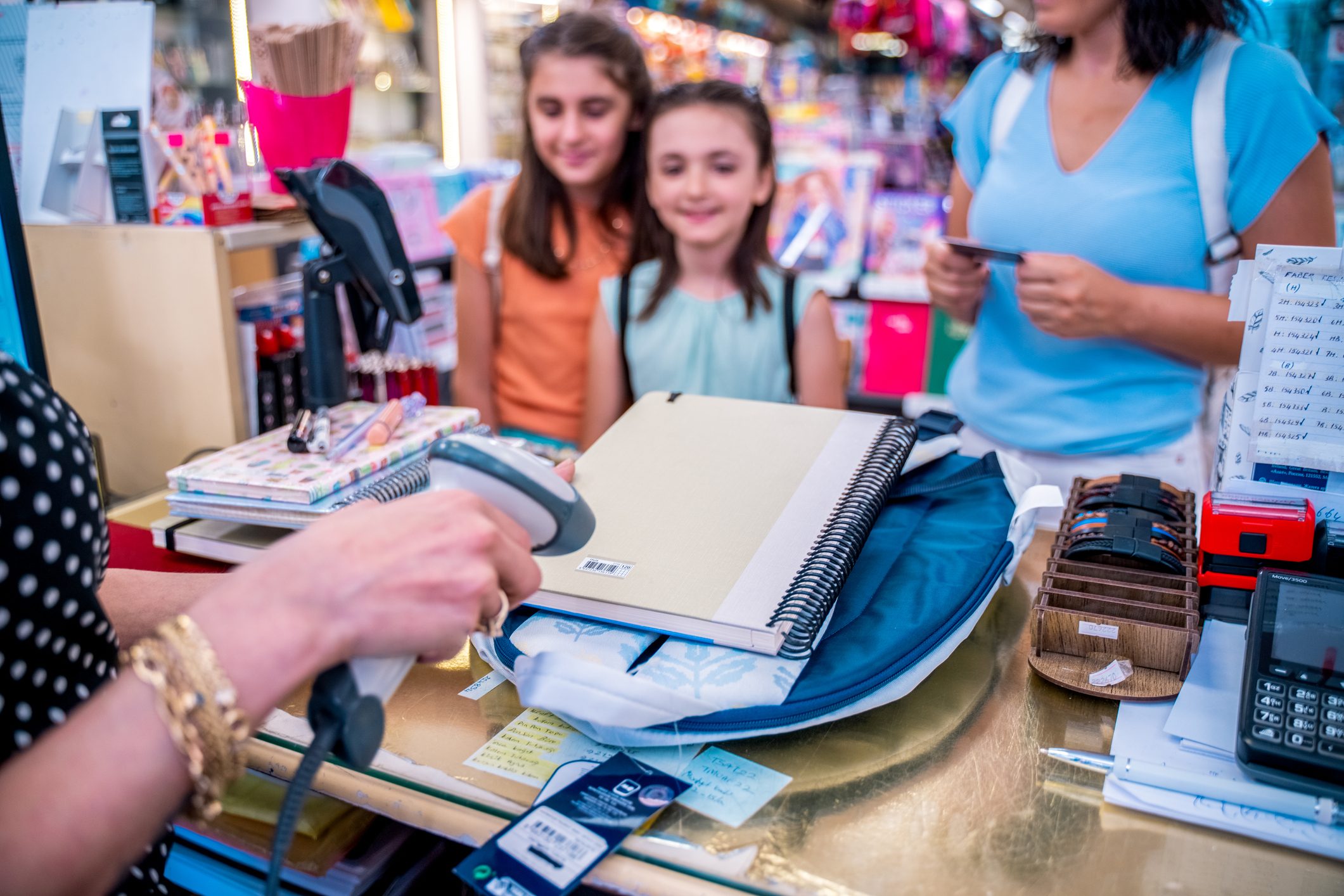
American families plan to spend less on back-to-school shopping this year, with average spending dropping $130 compared to 2025, according to NerdWallet's latest survey. Despite this decline, families still face mounting pressure as overall school year costs accumulate.
The pullback reflects broader consumer caution about household budgets. Families are cutting back on discretionary purchases like clothing and electronics while maintaining spending on essentials such as notebooks, writing supplies, and basic clothing items. The $130 reduction signals that parents recognize the need to tighten belts without sacrificing their children's educational needs.
However, the lower shopping bill masks a larger financial reality. Back-to-school expenses stretch far beyond the initial August or September shopping trip. Families contend with ongoing costs throughout the academic year including lunch programs, extracurricular activities, sports fees, technology subscriptions, and unexpected supplies needed mid-year. These accumulated expenses often dwarf the sticker price of the initial shopping haul.
Budget-conscious shoppers can manage these costs by planning ahead. Creating a prioritized supplies list prevents impulse purchases and overspending on items children may not need. Shopping sales and using coupons at major retailers like Target, Walmart, and Amazon yields savings on backpacks, shoes, and clothing. Many families benefit from tax-free shopping periods in their states, which eliminate sales tax on qualifying school supplies and clothing.
The survey underscores that one-time savings do not eliminate the financial strain families experience throughout the school year. Parents juggling multiple children face compounded costs. Those with tight budgets should anticipate mid-year expenses and build a small reserve into their household budget rather than viewing back-to-school shopping as the only major educational expense.