# ATM Overdraft Opt-In Boxes: What Banks Aren't Telling You
Banks are counting on you to forget about a checkbox you may have marked at the ATM.
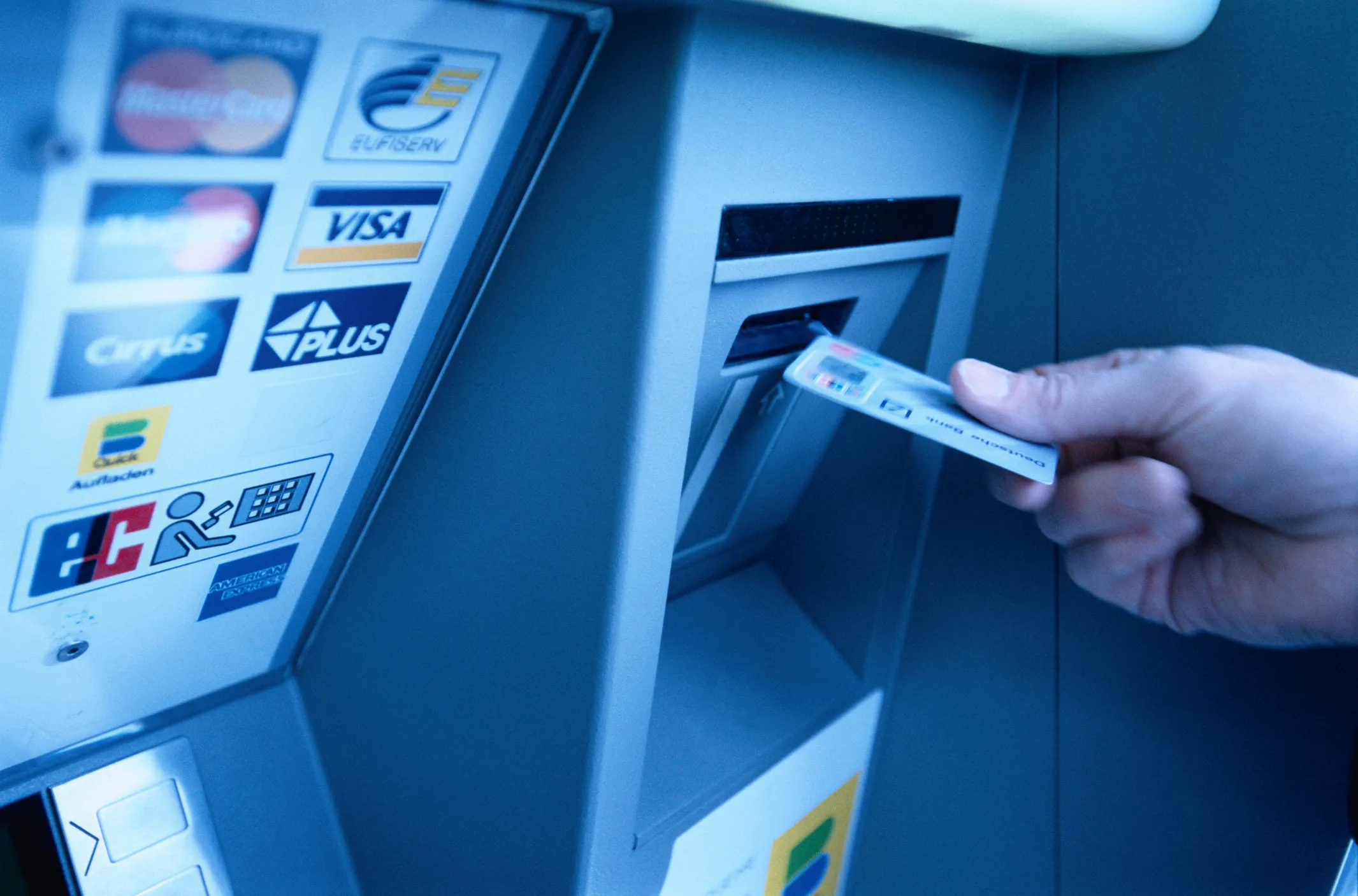
When withdrawing cash, many financial institutions present an "overdraft opt-in" prompt on the screen. Most customers breeze past it without reading. That small decision carries real consequences. Checking that box allows your bank to cover transactions that exceed your account balance, triggering expensive overdraft fees.
The Federal Reserve estimates that overdraft fees cost Americans roughly $35 billion annually. A single overdraft charge typically ranges from $25 to $35 per transaction. Some banks stack multiple fees on the same day if you overdraw several times.
Here's the trap. Banks design these opt-in screens during moments of friction, when you're standing at an ATM, focused on getting cash. The language remains intentionally vague. Few customers realize that "protecting" your transaction means paying a fee to borrow money from the bank at rates that dwarf credit card APRs.
The alternative is declining overdraft protection. Without it, your transaction gets rejected at the point of sale. No fee. No surprise bill later. This option remains available but requires active rejection, not passive agreement.
What actually works is setting up low-balance alerts through your bank's mobile app or website. Chase, Bank of America, Wells Fargo, and most regional banks offer this feature for free. These alerts text or email you when your balance drops below a threshold you set. Knowing your balance prevents overdrafts before they happen.
If you've already checked the overdraft opt-in box, you can reverse it. Contact your bank directly, request the overdraft protection be disabled, and request fee reversals for recent overdraft charges. Banks sometimes waive fees for first-time offenders or loyal customers.
The simplest