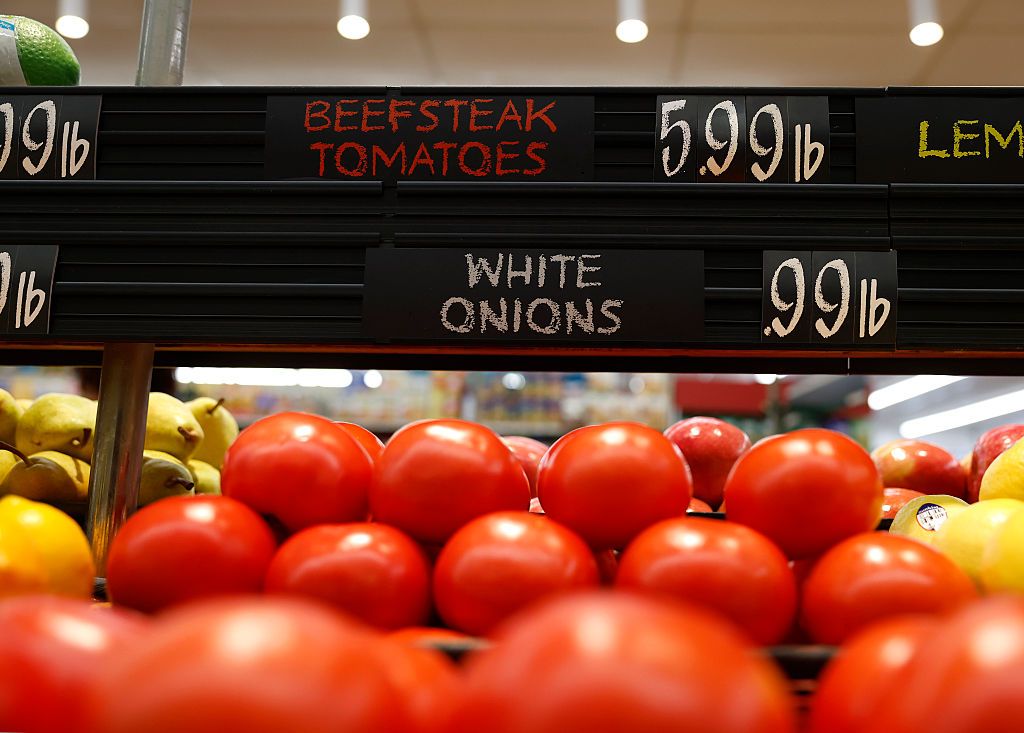
The June Consumer Price Index report arrives with a deceptive headline risk. Markets often overreact to month-over-month declines in inflation readings, which can mask persistent price pressures underneath.
The headline number—the broadest measure of inflation including volatile food and energy prices—may show a dip. This invites headlines about cooling inflation. But the Federal Reserve focuses on the core CPI figure, which strips out energy and food. That core number remains sticky, reflecting stubborn inflation in shelter, services, and other durable goods.
Here's what matters for your wallet and portfolio. The Fed remains in rate-hike mode. Jerome Powell and his colleagues have signaled they plan to keep policy restrictive until inflation moves closer to the 2 percent target. A negative headline in June doesn't change that reality.
For savers, this is good news. High-yield savings accounts and money market funds continue delivering returns in the 4.5 to 5 percent range at institutions like Marcus, Ally, and American Express Personal Savings. Those rates remain attractive relative to traditional bank offerings near 0.01 percent. Lock in these yields now; they may not last once the Fed starts cutting rates.
For borrowers, elevated rates persist across mortgages, auto loans, and credit cards. A 30-year fixed mortgage hovers near 7 percent at most lenders. Refinancing becomes risky when rates remain this high. If you're carrying variable-rate debt, accelerate payoff plans before rates reset upward again.
Investors should avoid chasing the "inflation is dead" narrative after a soft June CPI. Equities may rally on dovish misinterpretations, but that optimism could evaporate once the Fed clarifies its actual stance. Bond yields may dip temporarily. Don't get whipsawed by noise.
The real story