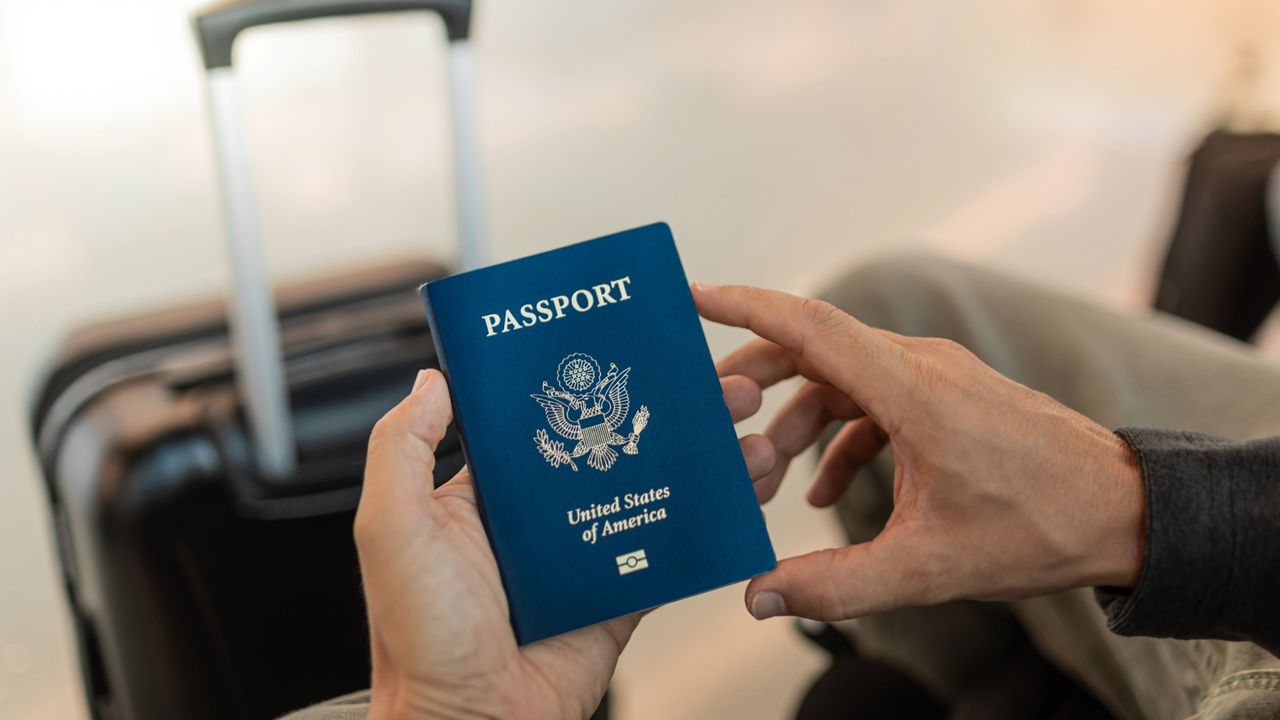
Moving money overseas involves navigating a complex web of tax obligations and banking regulations that most Americans overlook until it's too late. The IRS requires U.S. citizens and green card holders to report worldwide income, regardless of where they live. That means if you relocate to Europe, Asia, or anywhere else, you still owe taxes on earnings back home and abroad.
The Foreign Earned Income Exclusion lets you exclude roughly $120,000 of foreign earned income from U.S. taxes in 2023, but this doesn't cover investment income, rental properties, or passive revenue streams. You'll also need to file FBAR (Foreign Bank Account Report) forms if you hold more than $10,000 in foreign financial accounts at any point during the year. Missing this deadline carries penalties up to $10,000 per account.
Banking presents another hurdle. Many U.S. banks and investment firms have closed accounts for customers living abroad due to FATCA (Foreign Account Tax Compliance Act) compliance costs. Moving your portfolio or savings accounts requires advance planning. Some institutions like Charles Schwab and Fidelity maintain international services, but others don't.
State taxes complicate matters further. Some states like California tax residents on worldwide income even after they move, based on the "permanent home" test. Others like Florida and Texas have no income tax but may still claim you as a resident if you maintain property or family there.
Before relocating, consult a tax professional experienced in expatriate issues. They can structure your move to minimize tax liability through legitimate strategies like timing asset sales, understanding treaty provisions between your destination country and the U.S., and documenting your departure properly. You'll need to establish residency in your new country, obtain proper visas, and set up local banking relationships before leaving.
The cost of professional guidance pays dividends. Expat tax specialists charge $