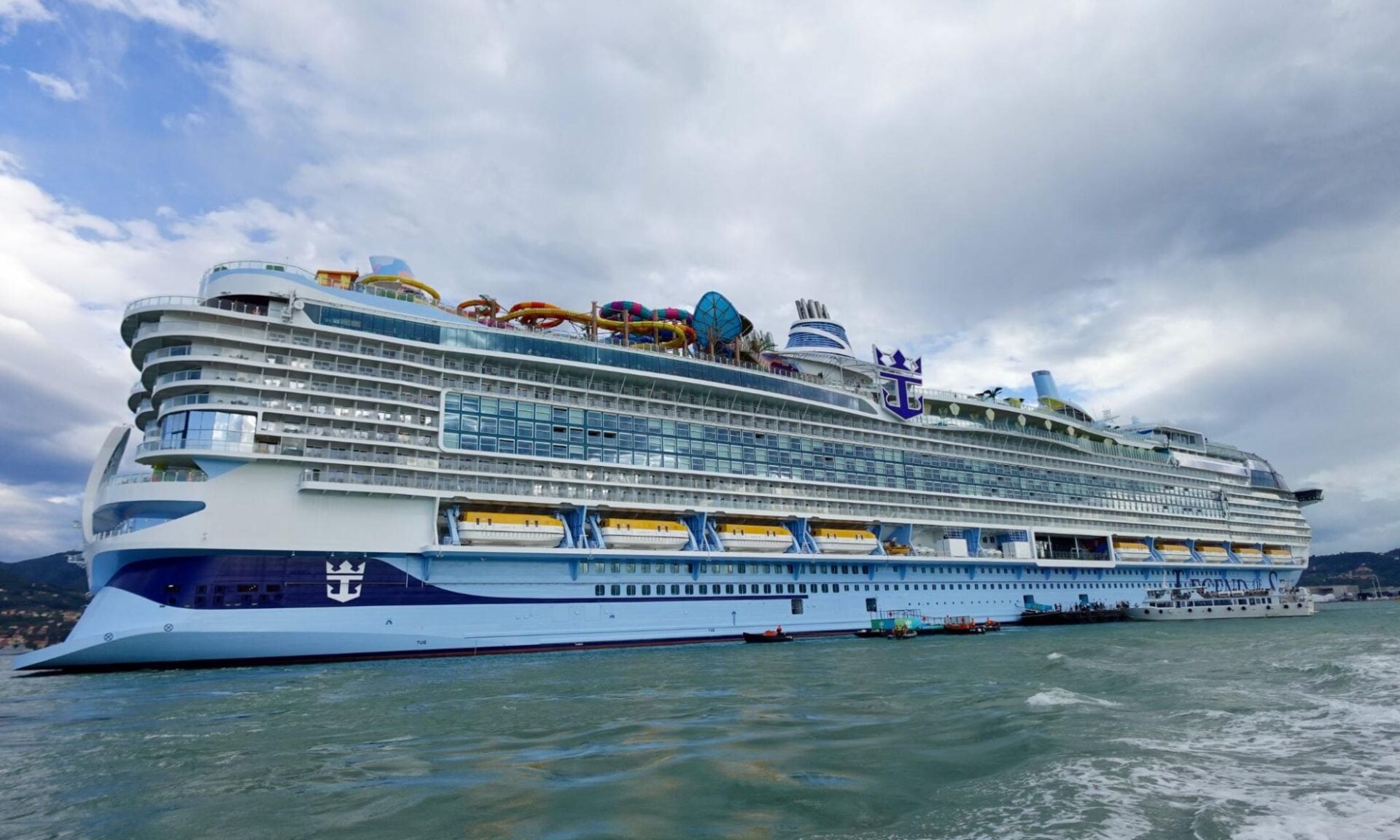
Royal Caribbean launched Legend of the Seas in summer 2026, a mega-ship that carries more than 7,500 passengers. The vessel represents the cruise line's continued expansion into larger, more elaborate floating resorts.
Ships this size change how cruise vacations work. More passengers means more dining options, entertainment venues, and onboard activities spread across multiple decks. Legend of the Seas follows Royal Caribbean's pattern of adding features that justify higher ticket prices. Larger ships typically charge premium fares because they offer more amenities, from specialty restaurants to Broadway-style shows to water parks.
For cruise shoppers, this size matters for your budget planning. Mega-ships like Legend operate on tight per-passenger economics. You pay base fares for cabin access, then face additional costs for restaurants beyond the main dining room, adult beverage packages, specialty excursions, and premium cabin upgrades. A family of four booking a standard interior cabin might pay $1,200 to $2,000 per person for a week-long sailing, then add another $500 to $1,000 in onboard extras.
The crowding factor cuts both ways. More passengers create a livelier atmosphere with constant entertainment and activity. You'll find people your age and with shared interests more easily. But you'll also navigate crowded buffets, wait in lines for main attractions, and experience a more resort-like (less intimate) vacation feel.
Royal Caribbean's newer mega-ships include innovations in cabin technology, dining flexibility, and entertainment quality. Legend of the Seas incorporates these upgrades, making it more efficient than older vessels. This translates to faster boarding, clearer navigation systems, and more reliable onboard services.
If you cruise regularly or travel with teenagers, these sprawling ships deliver value through sheer variety. If you prefer quieter, more personalized experiences, you might find smaller ships from