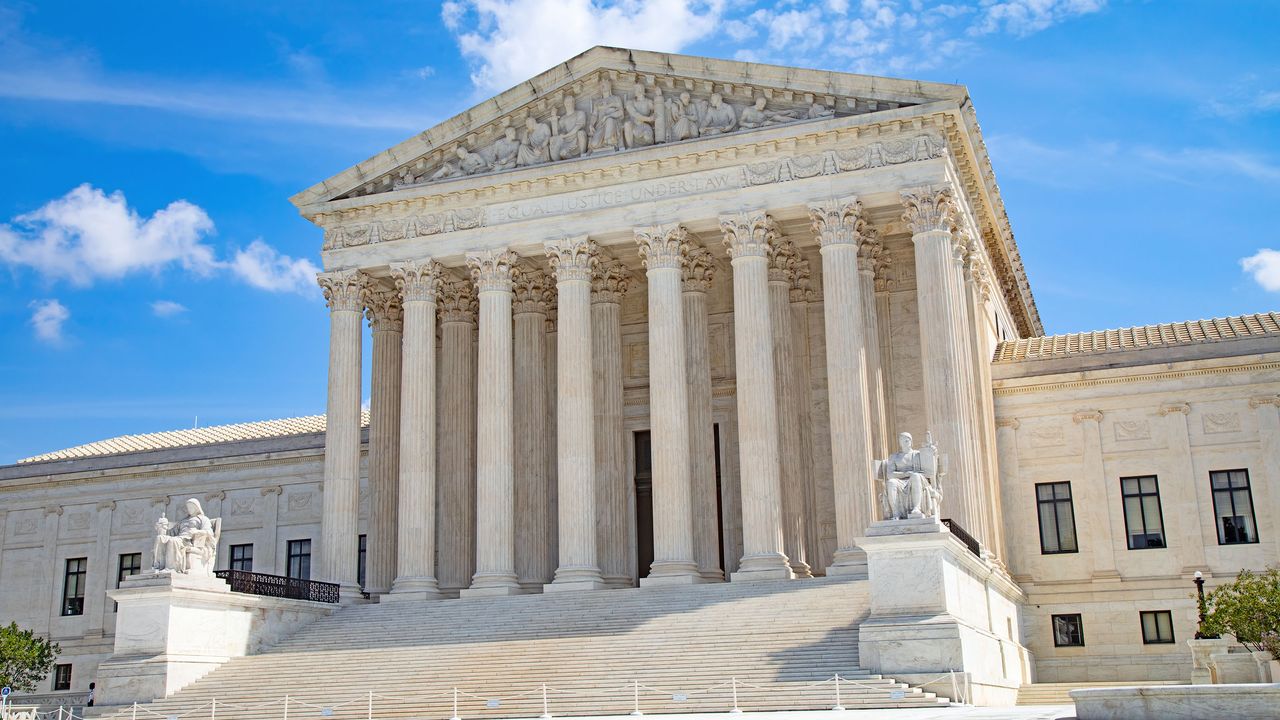
The Supreme Court has issued rulings this term that will reshape how Americans handle money in 2026. These decisions touch everything from property taxes to investment accounts, affecting millions of households directly.
One major ruling impacts property tax assessments. The Court has clarified how states can value real estate for tax purposes, potentially shifting the burden between homeowners and commercial property owners. Homeowners in states with outdated assessment systems may see their tax bills rise or fall depending on how their state legislature responds. States like California and Texas, which have capped assessment growth, face questions about compliance with the new standard.
On the investment side, the Court addressed rules governing retirement accounts and brokerage fees. The decision limits how aggressively regulators can police financial advisor conduct, which could reduce compliance costs but also lower protections for retail investors in lower-income brackets. Anyone with a 401(k) or IRA should review their advisor's fee structure to ensure they understand what they're paying.
Tax policy also shifted. The Court upheld key provisions of the tax code while striking down others, affecting how the IRS can enforce certain deductions and credits. Self-employed workers and small business owners need to pay attention here, as the ruling narrows IRS authority in specific dispute scenarios.
Consumer protections face changes too. One ruling affects how credit card companies can handle disputes. The decision makes it harder for consumers to challenge certain fees, so cardholders should read their cardholder agreements more carefully and monitor statements for unexpected charges.
Homebuyers entering the market in 2026 should track how states implement the property tax ruling. Some may offer relief through legislative action, while others could see assessments climb. Similarly, investors should contact their financial advisors now to discuss fee transparency and ensure their portfolio strategy aligns with the new regulatory environment.
These rulings do not take effect immediately in all cases. Implementation depends on how states and