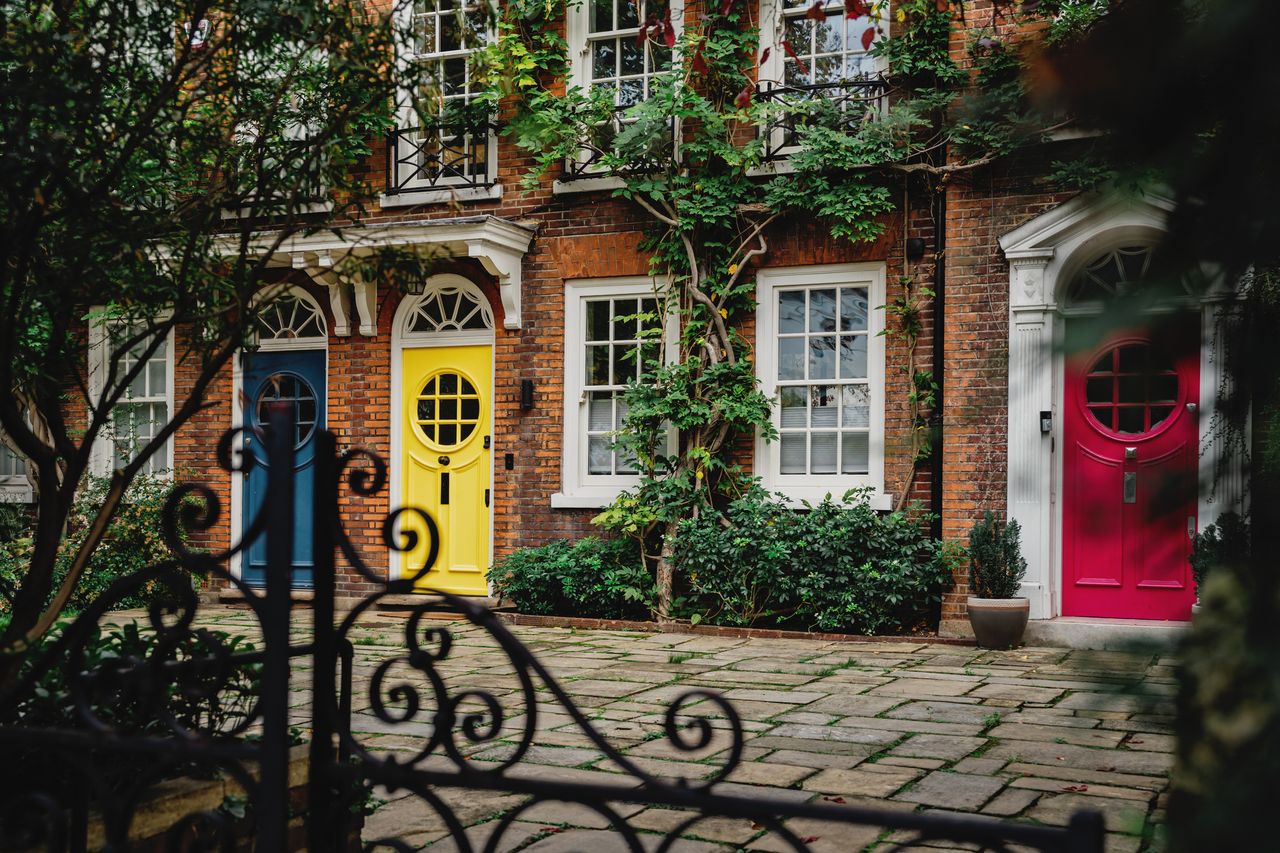
Upgrading an older home with smart technology offers both immediate safety gains and long-term financial returns. Smart thermostats like the Nest Learning Thermostat or Ecobee SmartThermostat cut heating and cooling costs by 10 to 15 percent annually by learning your schedule and adjusting temperatures automatically. For homeowners in cold climates, these savings compound quickly.
Security upgrades deliver tangible value. Reinforced exterior doors with smart locks, such as those from August or Yale, let you control access remotely and eliminate rekeying costs. Ring or Wyze video doorbells provide real-time visibility for under $100, addressing a major concern in older homes that lack modern security infrastructure.
Older homes often suffer from poor insulation and air leaks. Smart weatherstripping and window treatments that pair with automated systems reduce drafts. Paired with a smart thermostat, these upgrades can lower utility bills by $200 to $500 annually for many households.
Water damage ranks among the costliest problems in aging homes. Smart water leak detectors from Fibaro or Eve sense moisture and shut off supply valves automatically, preventing thousands in damage. Installation costs run $300 to $800 but pay dividends fast.
Lighting retrofits matter too. Smart LED bulbs cost $10 to $20 each and use 75 percent less energy than incandescent fixtures. Older homes typically contain dozens of outdated bulbs, making bulk replacement a quick payback investment.
Insurance companies increasingly offer discounts for homes with smart security systems and leak detection. Some insurers cut premiums by 5 to 10 percent, offsetting upgrade costs within two years.
The resale angle cannot be ignored. Homes with documented smart upgrades, energy improvements, and security enhancements attract buyers willing to pay 2