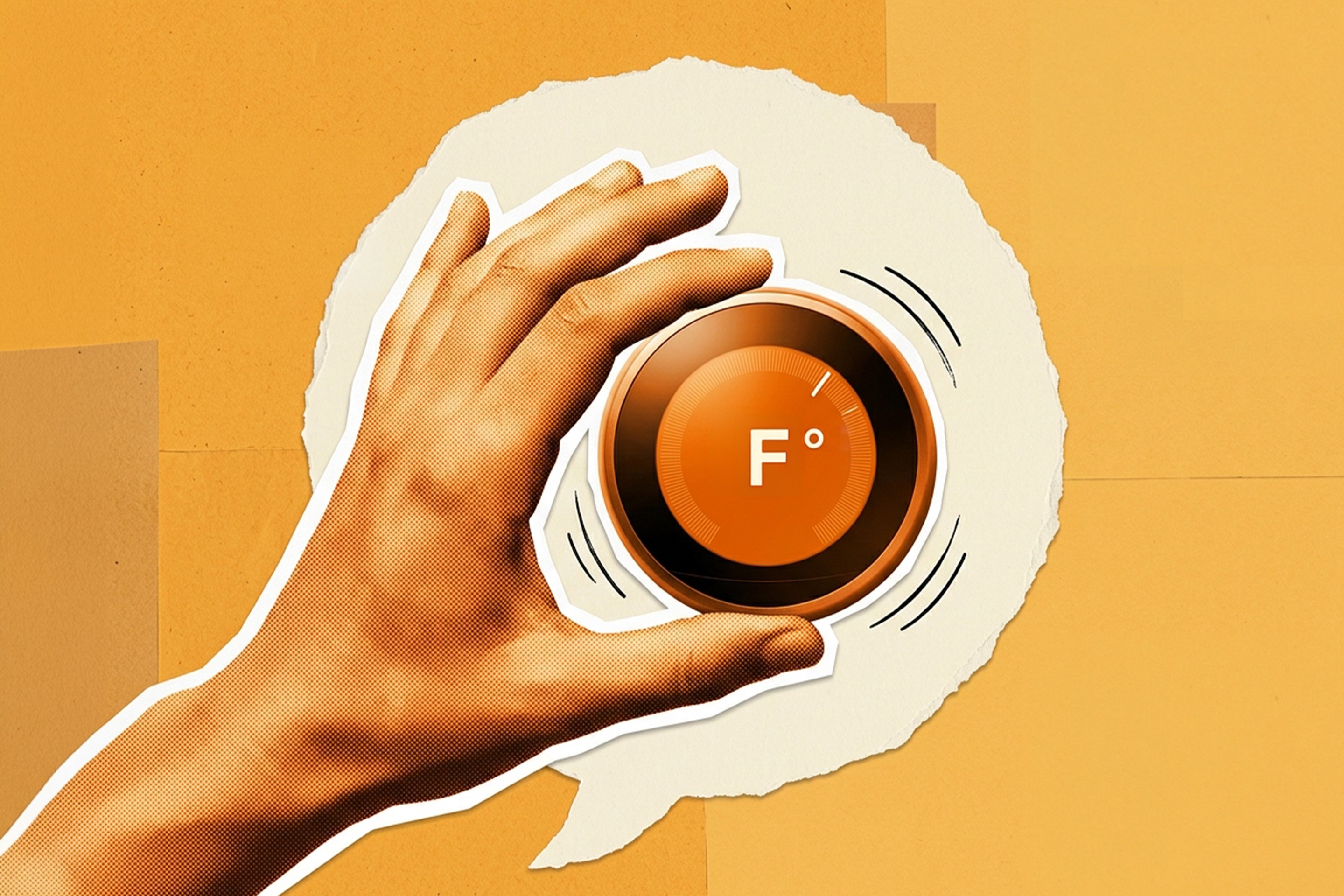
The Department of Energy recommends setting your air conditioner to 78 degrees Fahrenheit when you're home and awake. This temperature strikes a balance between comfort and energy efficiency, potentially cutting your cooling bills by 1 to 3 percent for each degree you raise the thermostat above your baseline setting.
During peak heat hours, raising your AC just a few degrees delivers meaningful savings. If you typically keep your home at 72 degrees, moving to 78 saves money without making your space uncomfortably warm. The difference becomes sharper during extended heat waves when AC units run constantly.
When you leave home or go to bed, the DOE suggests raising the temperature even higher. Setting your thermostat to 82 to 85 degrees during these periods maximizes savings since no one needs cooling. Programmable or smart thermostats automate these changes, removing the guesswork and ensuring you don't forget to adjust settings.
Location matters. Homes in humid climates may feel less comfortable at higher settings because sweat doesn't evaporate as efficiently. Homes in dry regions tolerate higher temperatures more easily. Personal preference also factors in. Some households function well at 78 degrees; others struggle without 74 degrees.
Smart thermostats from Nest, Ecobee, and Honeywell can learn your patterns and adjust automatically, reducing the mental load. These devices typically cost $100 to $300 upfront but pay for themselves through lower energy bills within two to three years.
Ceiling fans provide additional cooling without running the AC as hard. A fan costs pennies to operate compared to air conditioning. Close blinds during daytime hours to block solar heat. Seal air leaks around windows and doors to prevent cooled air from escaping.
The average American home spends roughly $1,500 annually on cooling. Adjusting your