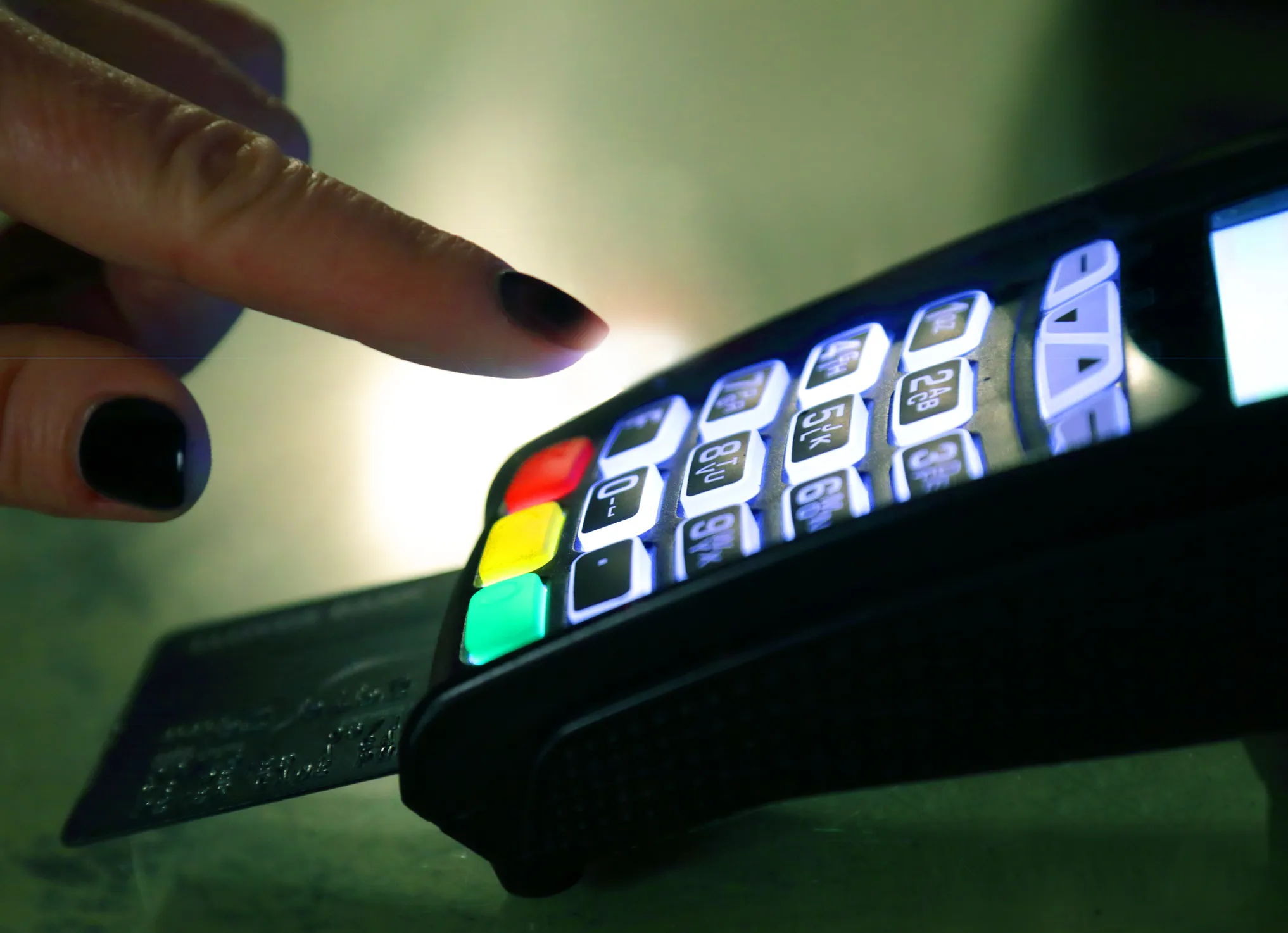
Debit card fraud now ranks as the most prevalent scam targeting bank customers, and consumers face a serious protection gap compared to credit card users. Banks report a surge in unauthorized debit card transactions, yet the liability rules protecting debit card holders remain weaker than those guarding credit card users.
Credit cards offer strong consumer protections under federal law. If someone fraudulently uses your Visa or Mastercard, you typically have liability capped at $50, and many issuers waive this entirely. Most credit card companies cover all fraudulent charges once you report them. The major card networks provide merchant dispute resolution and fraud monitoring tools that shift liability to the bank or merchant rather than the cardholder.
Debit cards tell a different story. While federal law limits your liability to $50 if you report fraud within two business days, that protection shrinks dramatically after 60 days. If you wait longer than 60 days to report unauthorized charges, you lose all liability protection. The bank has no obligation to reimburse you for older fraudulent transactions. This creates a dangerous window where consumers who don't check statements frequently end up bearing the full cost of theft.
The math becomes grim quickly. A hacker draining your debit account isn't just stealing money; they're stealing from your actual bank balance. Unlike credit cards, where fraudulent charges don't touch your own funds, debit card fraud directly depletes the money you rely on for bills, rent, and groceries. While the bank eventually investigates and may reverse charges, that process takes time. Your account could remain frozen or negative during the dispute period.
Banks are seeing debit fraud spike because these cards lack the encryption and tokenization protections that credit cards now routinely deploy. Smaller retailers often store debit card data less securely than they handle credit cards. Criminals also prefer debit card theft because it provides immediate access