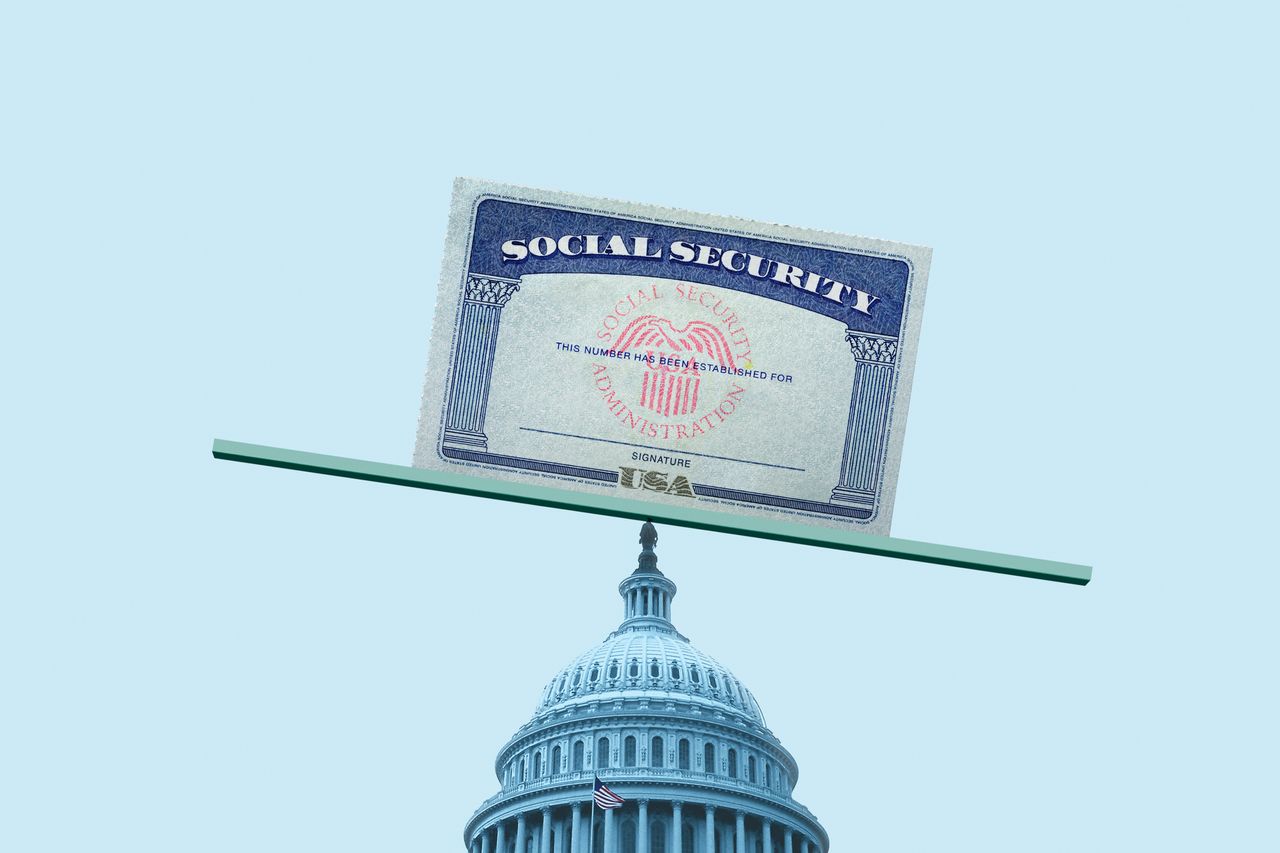
The Trump administration has launched a new federal savings account initiative that critics worry could be the first step toward dismantling Social Security as it exists today. The program, still in early stages, allows workers to redirect portions of their payroll taxes into individual retirement accounts rather than the traditional Social Security trust fund.
The concern centers on how this diversion of funds affects Social Security's solvency. The program operates on payroll tax revenue. When workers direct money elsewhere, the trust fund receives less. Social Security trustees project the program will exhaust its reserves by 2033 without congressional action, at which point automatic benefit cuts of roughly 21% would take effect for all beneficiaries.
Privatization advocates argue individual accounts offer better returns than traditional Social Security. They point to historical stock market performance and claim workers could accumulate more wealth. Critics counter that market downturns pose serious risks, particularly for workers nearing retirement. A severe market crash could devastate accounts timed poorly for withdrawal.
The seesaw dynamic works this way. As fewer workers fund the traditional system, Social Security's financial pressure intensifies. Policymakers could respond by cutting benefits, raising payroll taxes, or increasing the retirement age. Alternatively, they could accelerate the shift toward private accounts, gradually converting Social Security into a defined contribution system where retirement security depends on investment performance rather than guaranteed benefits.
Current Social Security provides a safety net that adjusts for inflation and continues for life, regardless of market conditions. Private accounts lack these protections. Workers with low lifetime earnings, women with broken work histories due to caregiving, and people with disabilities all rely heavily on Social Security's guaranteed structure.
The new accounts represent a policy fork in the road. One path maintains Social Security's current structure while adjusting revenues and benefits to ensure long-term solvency. The other path fragments retirement security into millions of individual investment accounts, shifting risk from the government to