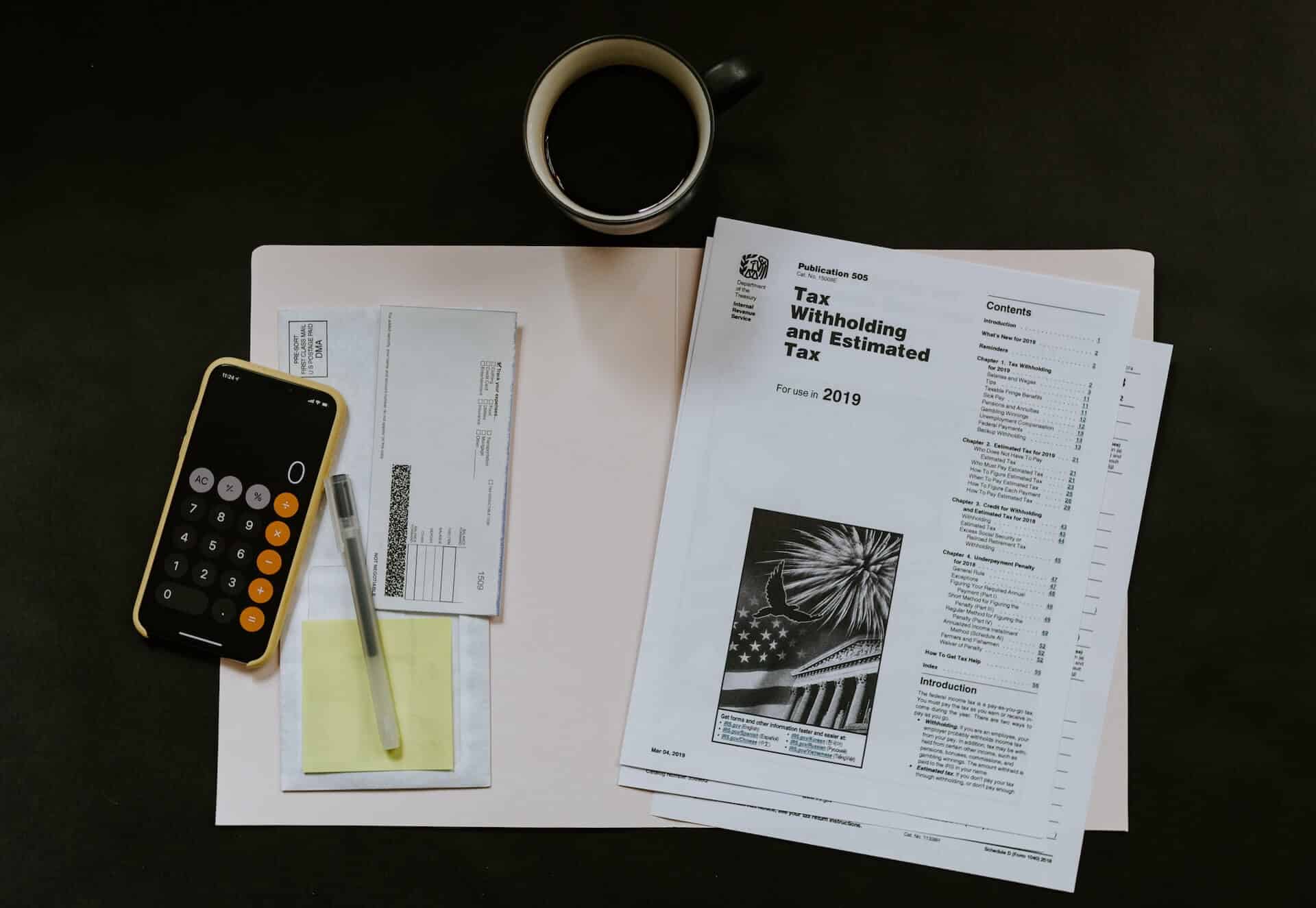
Taxpayers face three main options for filing returns this year: DIY software, tax preparation services, and certified professionals. Each approach carries different costs and complexity levels.
DIY tax software like TurboTax, H&R Block, and TaxAct remains the cheapest option for straightforward returns. These platforms guide filers through deductions and credits step-by-step. TurboTax Free Edition handles basic 1040 returns at no cost, while expanded versions range from $60 to $120 depending on complexity. H&R Block Free and TaxAct Free serve similar income levels without charge. These tools work best for single filers with W-2 income, standard deductions, and no business income.
Tax preparation chains like H&R Block and Jackson Hewitt offer in-person filing for $150 to $400. Preparers walk you through documentation and catch common mistakes. This route suits someone who prefers human guidance or has moderately complex situations involving rental property, side income, or multiple jobs.
Certified Public Accountants (CPAs) and Enrolled Agents charge $200 to $500 or more, depending on return complexity. These professionals hold credentials and must pass rigorous exams. They excel for self-employed individuals, business owners, significant investment income, and major life changes like marriage or home purchase. CPAs can also represent you in IRS audits, which software and chain preparers cannot do.
Your best choice depends on income level, situation complexity, and comfort with technology. A W-2 employee with minimal deductions wastes money paying a CPA. A business owner with quarterly estimated taxes and numerous deductions likely needs professional expertise. The middle ground, in-person preparation services, bridges affordability and accuracy for moderately complex returns.
Start by categorizing your tax situation. If you have only W-