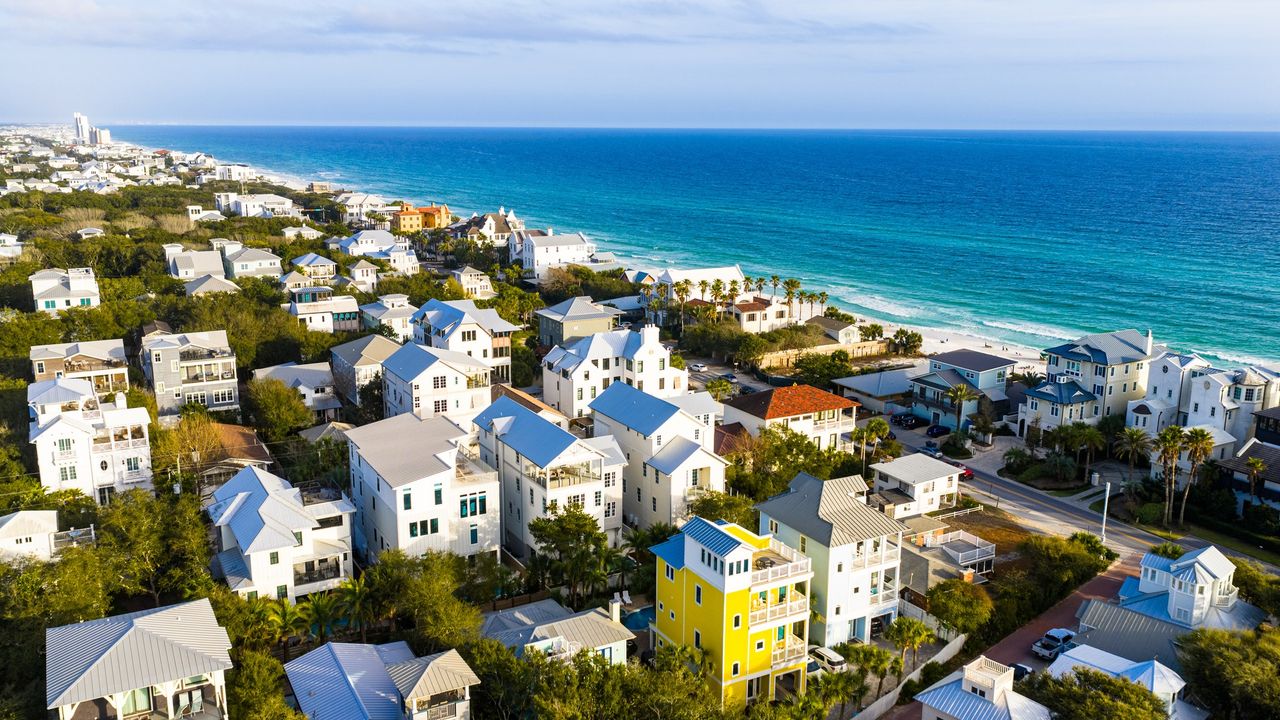
Retirees facing hefty required minimum distributions (RMDs) at age 75 can exploit a tax strategy called the "Florida Flip" to reduce their conversion costs. The approach involves moving to a state with no income tax, like Florida, Texas, or Nevada, converting traditional IRA funds to a Roth IRA while living there, and then relocating back to your original state.
Here's how it works. When you convert a traditional IRA to a Roth, you owe ordinary income tax on the converted amount in the year of conversion. By timing that move to a no-tax state, you avoid state income tax on the conversion. If you normally live in a high-tax state like California (13.3% top rate) or New York (10.9% top rate), the savings add up quickly. A $100,000 conversion in California costs roughly $13,300 in state tax alone. The same conversion in Florida costs zero.
The strategy gains appeal for retirees managing large RMDs. At age 73, RMDs become mandatory from traditional IRAs and most retirement accounts. Those distributions push income higher, triggering bigger tax bills and potentially affecting Medicare premiums through income-related adjustment amounts (IRMAA). Converting to a Roth before RMDs kick in, or during years when you're in a lower-tax state, reduces future RMD obligations entirely. Roths have no RMDs during the account owner's lifetime.
But several pitfalls exist. States like California and New York aggressively challenge residency changes. They scrutinize your driver's license, property ownership, voting registration, and where family members live. Claiming residency just for a tax break without genuinely relocating invites audits and back taxes with penalties. You need legitimate ties to the new state: a lease or property purchase,