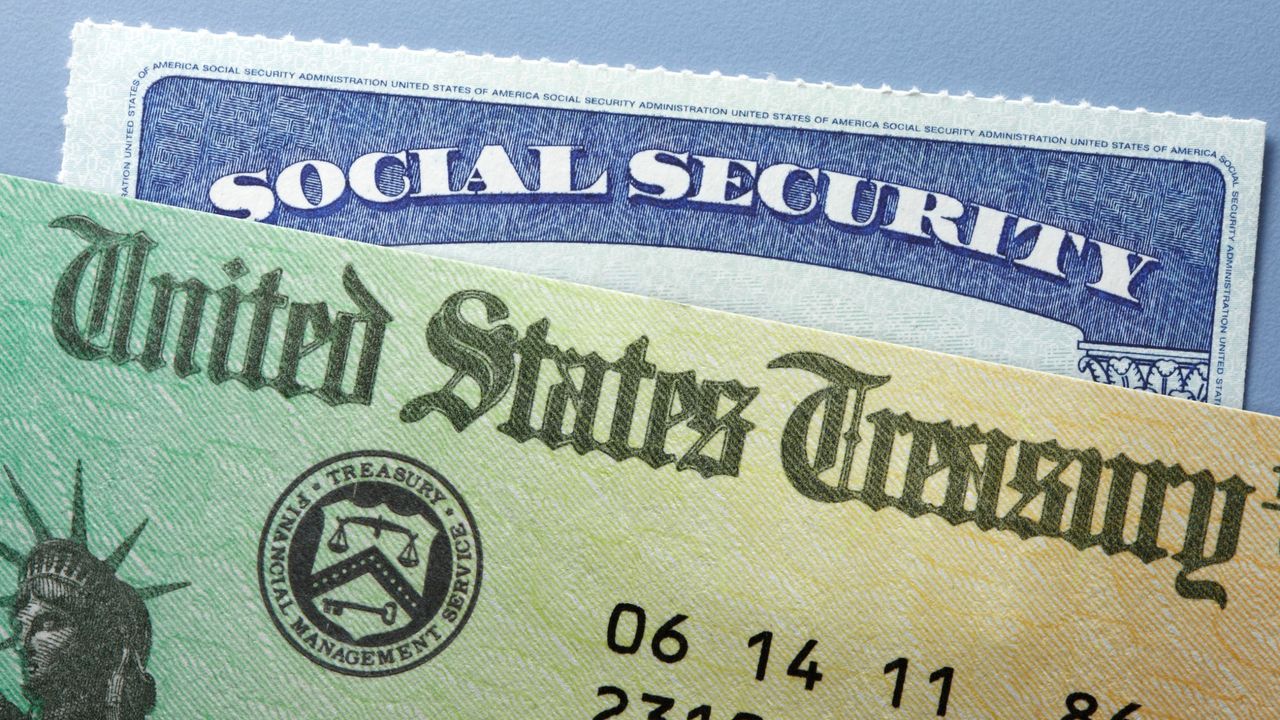
The Social Security Administration is phasing out paper checks in favor of electronic payments, a shift that requires millions of beneficiaries to adapt to new systems. Paper checks will gradually disappear, pushing retirees and disabled individuals toward direct deposit or debit cards.
Electronic payments offer real advantages. Direct deposit reaches bank accounts in days rather than weeks. The Treasury's Direct Express debit card, designed specifically for Social Security recipients, eliminates the theft risk that comes with mail delivery. Fewer lost checks means fewer replacement delays. The system also reduces postal service costs and administrative burden on Social Security offices.
The transition poses challenges for older adults unfamiliar with digital banking. Many beneficiaries, particularly those over 75, prefer paper checks because they understand them. Setting up direct deposit requires online access or a trip to a bank. Some lack basic bank accounts. Others worry about fraud or don't trust electronic systems.
Families can help in practical ways. Adult children should ask aging parents about their current payment method. If they use paper checks, encourage a conversation about switching to direct deposit through their bank or opening a Direct Express account. Walk them through the process step by step. Show them how to log into their bank account or explain the debit card benefits.
For those without bank accounts, credit unions often offer free accounts with low minimum balances. Direct Express cards charge modest fees but carry FDIC protection. The AARP and local Area Agencies on Aging offer free assistance and guidance for seniors navigating the transition.
Document the details. Keep a record of login credentials in a safe place. Help them understand how to monitor their account for fraudulent activity. Schedule follow-up conversations to ensure everything works smoothly after the switch.
The Social Security Administration offers resources at ssa.gov, including tutorials for different payment methods. Calling their helpline at 1-800-772-1213 can answer specific questions.