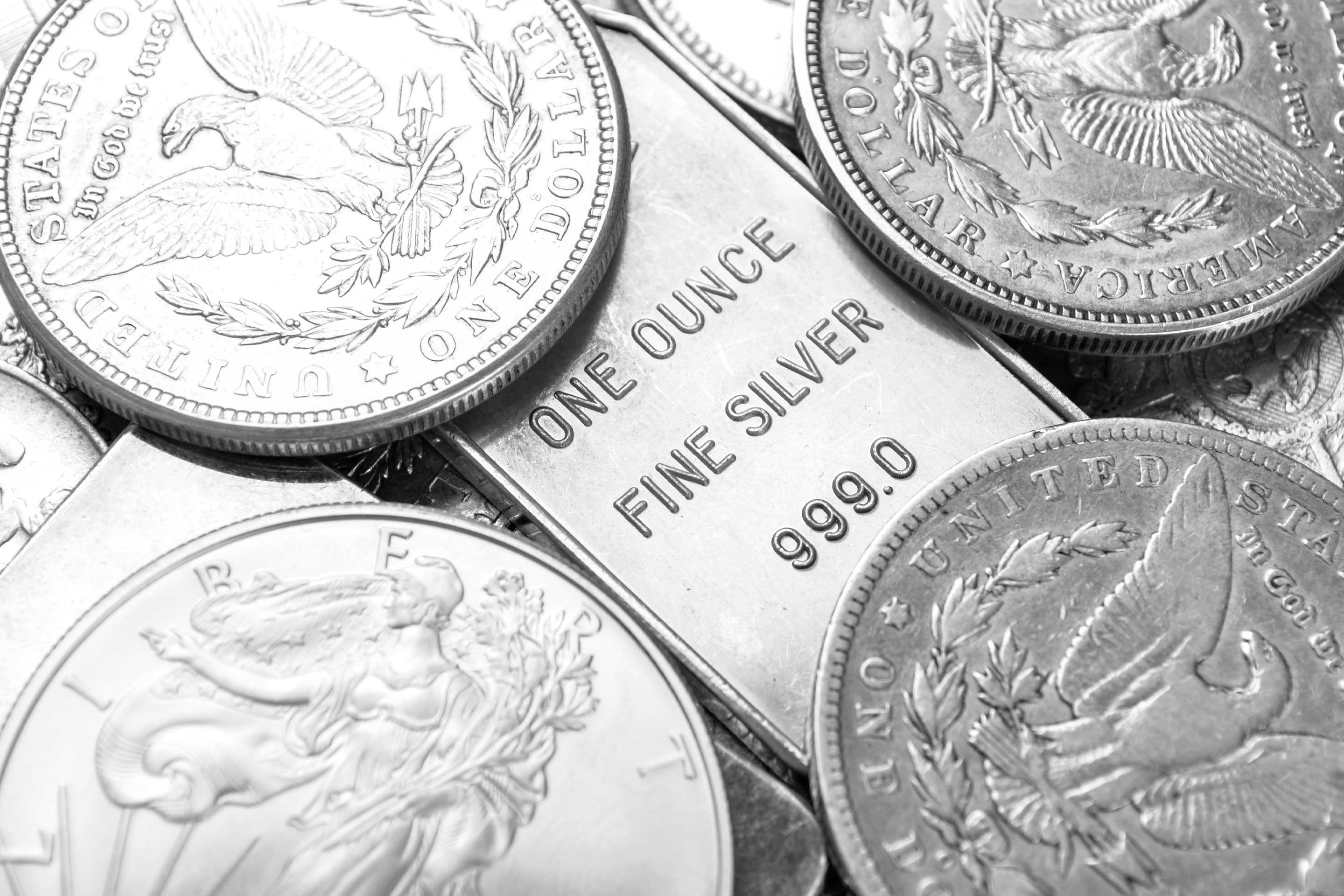
Silver offers individual investors a tangible alternative to stocks and bonds, though it carries distinct risks and rewards compared to gold. Unlike gold, silver has significant industrial demand from electronics manufacturers, solar panel producers, and medical device makers, which creates price volatility alongside investment appeal.
Investors can access silver through several direct methods. Physical silver bars and coins purchased from dealers provide ownership but involve storage costs, insurance fees, and potential markups from retailers. The U.S. Mint's American Silver Eagle coins cost around the spot price plus 5 to 10 percent premiums. Alternatively, exchange-traded funds like iShares Silver Trust (SLV) and Sprott Physical Silver Trust (PSLV) track silver prices without requiring you to store metal. These funds charge annual expense ratios between 0.25 and 0.50 percent.
Futures contracts and options allow sophisticated traders to bet on silver price movements with leverage, multiplying both gains and losses. Mining company stocks offer indirect exposure through companies like Pan American Silver and First Majestic Silver, though stock performance depends on business operations beyond just metal prices.
Silver prices swing wildly. A 30 percent annual move isn't uncommon. In 2011, silver hit $49 per ounce before crashing to $14 in 2015. Gold typically shows smaller percentage moves, making silver riskier for conservative portfolios. The metal trades 24 hours daily on global markets, responding to economic data, interest rate changes, and industrial demand shifts.
For diversification purposes, financial advisors typically recommend limiting precious metals to 5 to 10 percent of investment portfolios. Younger investors with longer time horizons can weather price swings better than those nearing retirement. Physical silver makes sense only if you can secure proper storage, while ETFs suit most individual investors seeking exposure without the logistical