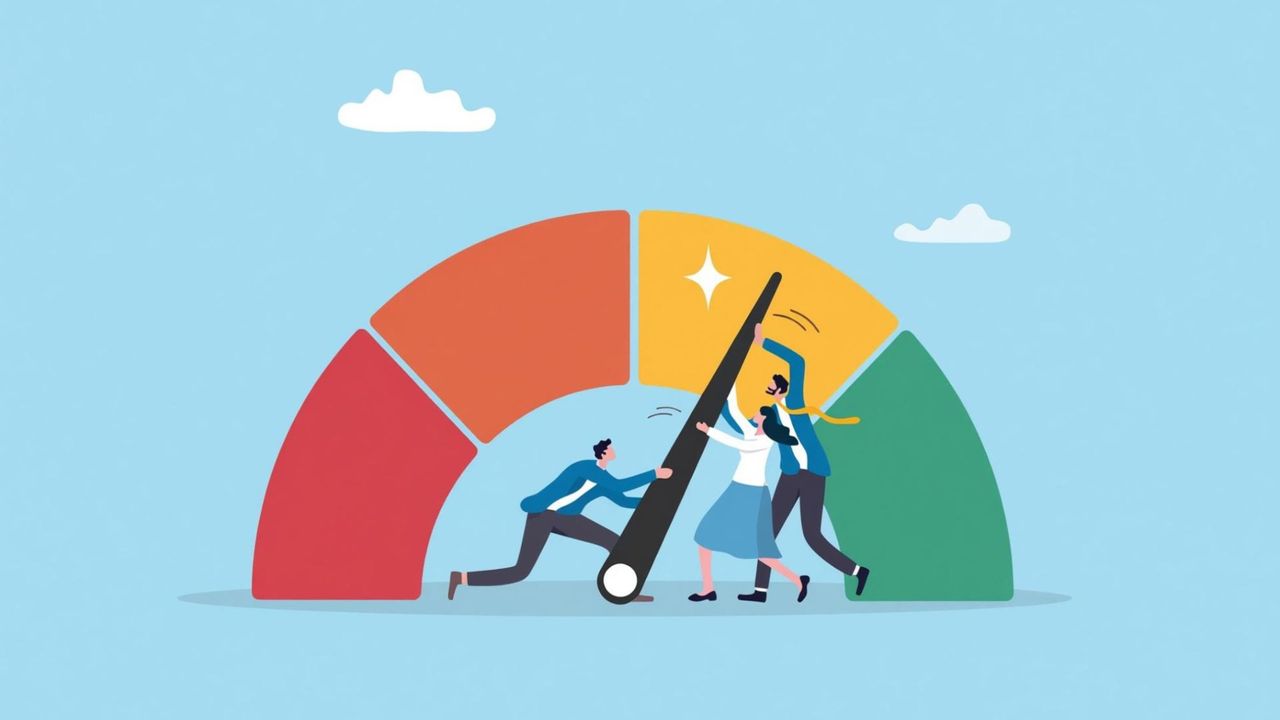
# Boost Your Credit Score: Five Practical Moves
Your credit score controls access to loans, credit cards, and mortgage rates. A higher score saves you thousands in interest charges over time. Building credit requires discipline, but the payoff justifies the effort.
**Pay bills on time, every time.** Payment history accounts for 35 percent of your credit score. Set up automatic payments for at least the minimum on all credit accounts. Missing even one payment tanks your score by dozens of points and stays on your report for seven years.
**Lower your credit utilization ratio.** This measures how much available credit you actually use. Lenders prefer to see you using less than 30 percent of your total limits across all cards. If you have a 5,000 dollar limit and carry a 2,000 dollar balance, you are at 40 percent utilization. Pay down balances or request credit limit increases to improve this metric.
**Dispute errors on your credit report.** Check your reports annually at annualcreditreport.com, the government-authorized free source. Incorrect late payments, accounts you didn't open, or wrong balances harm your score unfairly. File disputes directly with the credit bureaus (Equifax, Experian, TransUnion) and provide documentation of errors.
**Keep old accounts open.** Length of credit history matters. Closing old credit cards reduces your average account age and cuts available credit, both damaging your score. Even if you stop using a card, keeping it active with small charges prevents the issuer from closing it.
**Build credit mix strategically.** Having different types of credit helps. A mortgage, auto loan, and credit card demonstrate you can handle various borrowing formats. However, only pursue new credit when necessary. Hard inquiries temporarily lower scores, and new accounts reduce your average age.
Reaching a