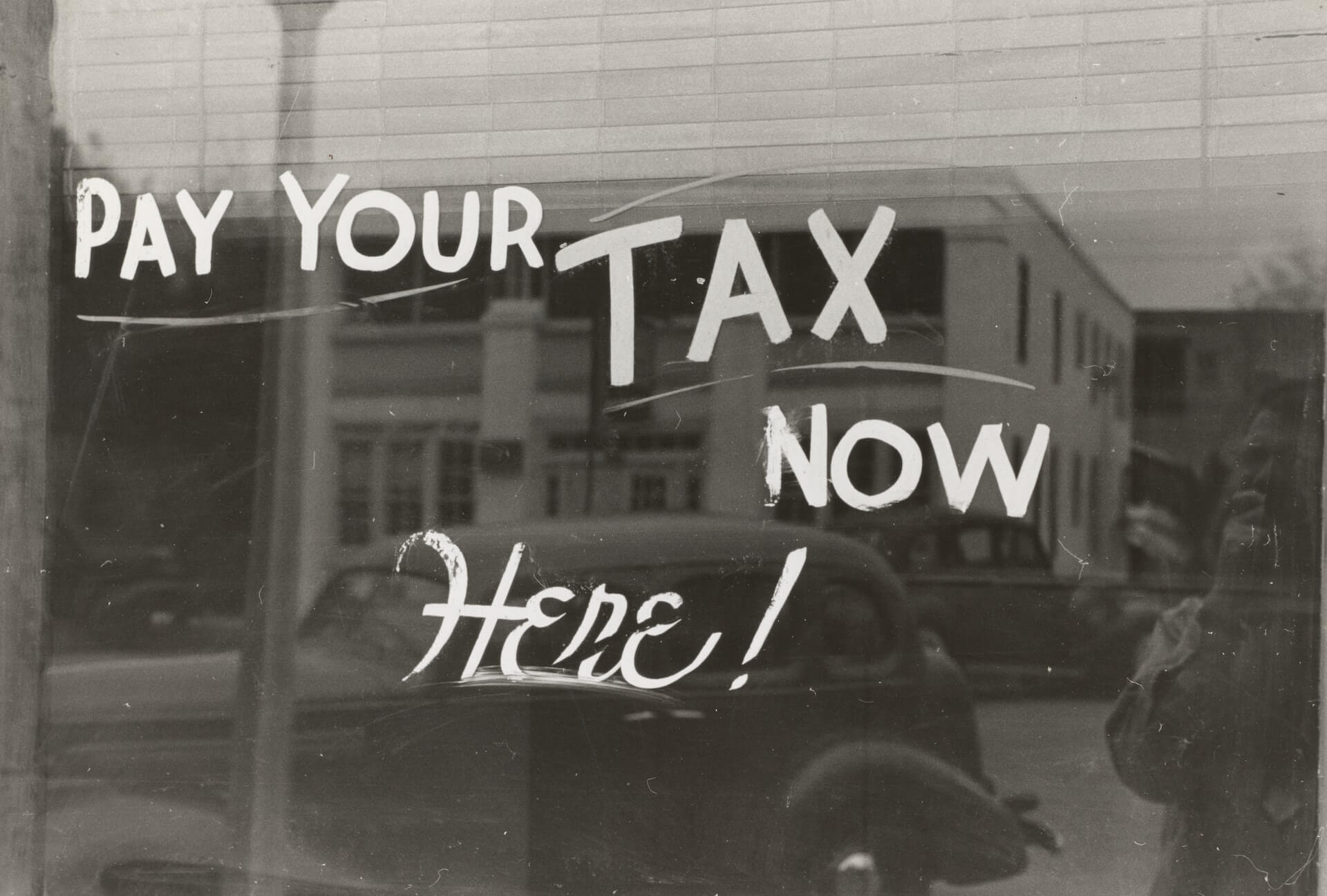
April 15, 2026, is the final deadline for filing your 2025 tax return and paying any taxes owed to the IRS. Missing this date triggers penalties and interest charges on unpaid balances.
If you cannot pay your full tax bill by April 15, you have several options that protect you from the steepest penalties.
The IRS allows you to request a payment plan. Short-term plans (120 days or fewer) carry no setup fee. Long-term installment agreements cost between $31 and $225 in setup fees, depending on how you apply. Once approved, you pay your balance over months or years in fixed monthly installments.
You can also apply for an extension to file, but understand what this does and doesn't do. Filing Form 4868 extends your deadline to file your return until October 15, 2026, but does not extend your payment deadline. You still owe any taxes by April 15 or face failure-to-pay penalties. The extension only buys you time to gather documents and file your actual return.
If you face genuine financial hardship, request Currently Not Collectible status. The IRS temporarily stops collection efforts while you remain unable to pay. Interest and penalties still accrue, but collection activities pause.
The IRS also offers an Offer in Compromise, which lets you settle your debt for less than you owe if you qualify based on income and assets. These are difficult to obtain but worth exploring if you face insurmountable debt.
File your return even if you cannot pay. Filing on time, then paying late, costs less in penalties than filing late and paying late. The failure-to-file penalty runs 5% per month up to 25% of unpaid taxes. The failure-to-pay penalty is 0.5% per month up to 25%. Both penalties apply