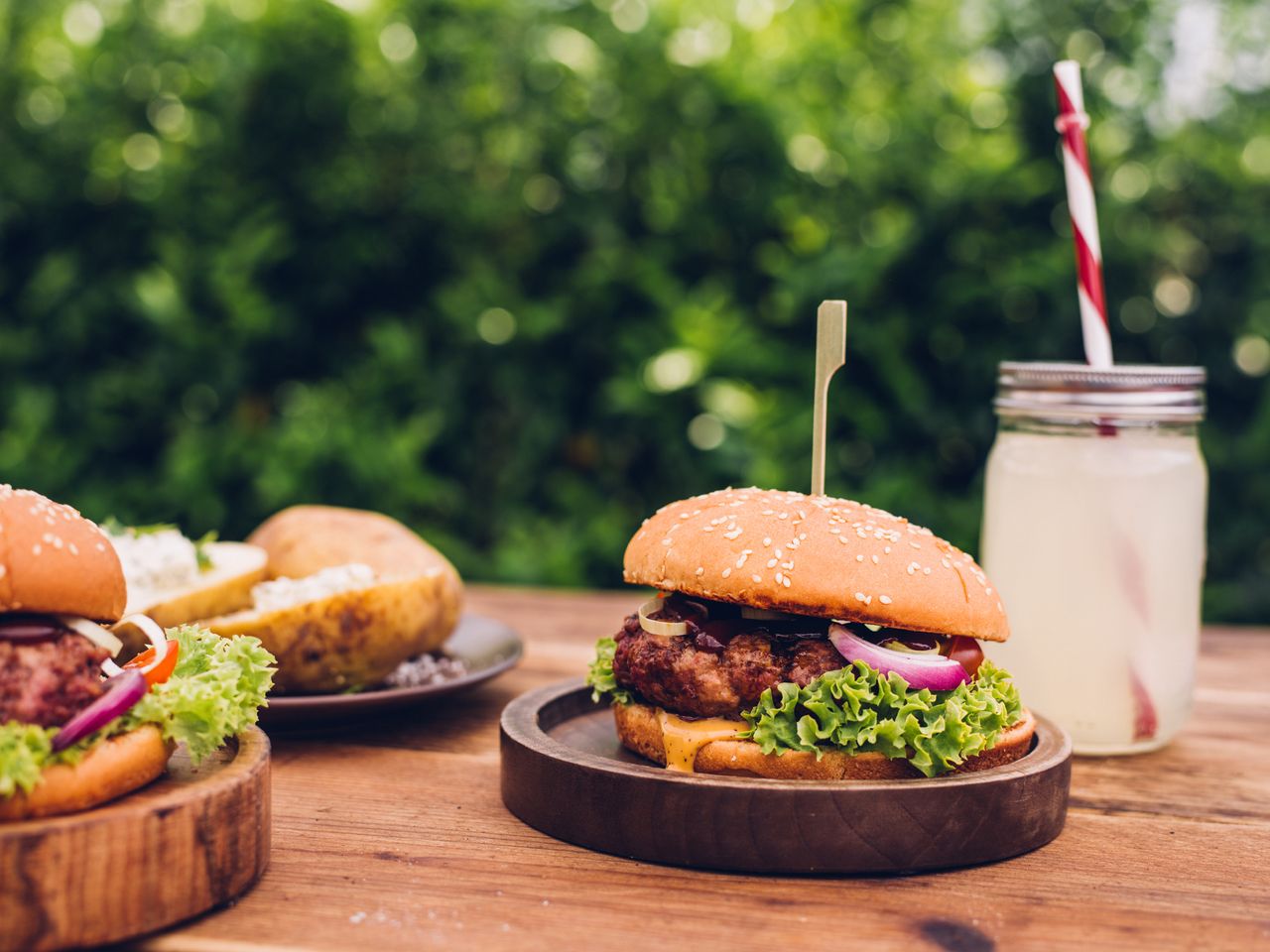
Beef prices have climbed sharply, making summer barbecues noticeably pricier across the country. But thirteen states compound this pain through additional sales taxes on groceries, effectively creating what observers call a "burger tax" that reaches 14% in some cases.
States including Arkansas, Illinois, Missouri, Tennessee, and Virginia tax groceries at rates between 4% and 7%, stacking on top of already inflated beef costs. When you buy ground beef or steaks at $8 to $12 per pound, that sales tax adds another 40 cents to a dollar per transaction. Over a summer of weekend cookouts and weekly grocery runs, the difference becomes substantial for families.
The impact hits hardest in states where sales tax combines with high base grocery prices. A family spending $150 weekly on food in Tennessee, which taxes groceries at 4%, pays an extra $6 per shopping trip. Over thirteen weeks of summer, that totals $78. Add beef's price surge to the equation, and a typical Fourth of July cookout for eight people costs noticeably more than last year.
Some states avoid this double taxation entirely. California, Florida, and New York don't tax groceries, meaning shoppers there dodge the extra layer of expense even as beef prices rise nationally. This creates a real financial advantage for residents in no-tax-grocery states.
Consumers in the thirteen affected states have limited options. Buying in bulk when sales occur helps slightly. Choosing chicken or ground turkey instead of beef reduces the total outlay, though it changes the menu. Some families shift cookout timing to coincide with holiday sales events when grocery retailers discount beef and chicken aggressively.
The burger tax reflects a broader policy choice about what governments should tax. Thirty-two states currently exempt groceries from sales tax, treating food as a necessity rather than a luxury good. The remaining eighteen